
Technology
In Conversation With Faiz Khan: Architecting Enterprise Solutions at Scale
Published by Shaharban
Posted on January 16, 2026
5 min readLast updated: January 16, 2026
Add as preferred source on Google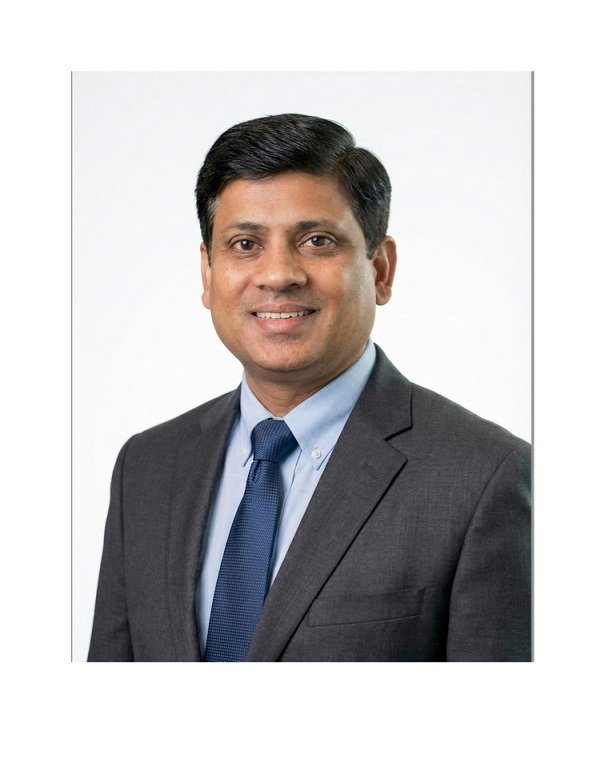
Published by Shaharban
Posted on January 16, 2026
5 min readLast updated: January 16, 2026
Add as preferred source on GoogleThe evolution of enterprise technology demands architects who can bridge the gap between complex technical systems and tangible business outcomes. As organizations navigate digital transformation, platform consolidation, and revenue optimization challenges, engineers who combine deep technical exper...
The evolution of enterprise technology demands architects who can bridge the gap between complex technical systems and tangible business outcomes. As organizations navigate digital transformation, platform consolidation, and revenue optimization challenges, engineers who combine deep technical expertise with strategic vision become instrumental in driving sustainable growth. The most impactful practitioners leverage their understanding of both business processes and technical architecture to deliver solutions that generate measurable financial results while establishing foundations for future innovation.
Enterprise application architecture has transformed dramatically over the past two decades, with organizations increasingly requiring seamless integration across diverse platforms, real-time revenue visibility, and automated business processes. Companies that successfully implement these capabilities achieve significant competitive advantages through improved operational efficiency, enhanced partner experiences, and accelerated revenue recognition. The intersection of technical mastery with business acumen represents a critical dimension of modern enterprise architecture, enabling transformative solutions that deliver both technological excellence and substantial financial impact.
With over 25 years of experience spanning financial services, telecommunications, and manufacturing sectors, Faiz Khan has established himself as a visionary solution architect capable of delivering transformative enterprise solutions across complex technological landscapes. His career trajectory demonstrates consistent ability to optimize large-scale systems, drive platform consolidation initiatives, and implement AI-powered automation that generates millions in annual value while improving operational efficiency.
Building enterprise-grade revenue management platforms requires a sophisticated understanding of both financial business processes and technical architecture. The most effective solutions begin with thorough analysis of existing system limitations and business requirements, followed by strategic implementation approaches that deliver measurable improvements in accuracy, efficiency, and partner satisfaction.
"Enterprise revenue management isn't just about tracking numbers—it's about creating systems that provide real-time visibility while ensuring complete accuracy across complex partner ecosystems," explains Khan, drawing from his experience developing solutions that process billions in revenue transactions. "Whether it's achieving 100% accuracy in partner payments or implementing 90% automation of manual data feeds, success requires deep understanding of both Oracle E-Business suite capabilities and underlying business processes."
Successful implementations leverage comprehensive knowledge of Oracle financial modules including Receivables, Payables, Purchasing, and Order Management, combined with strategic integration approaches that connect disparate platforms into unified revenue ecosystems. These solutions collectively establish foundations for financial operations that support business growth while maintaining enterprise-grade reliability and compliance.
The digital media and technology sectors present unique opportunities for innovations that directly impact revenue generation and operational efficiency. Partner management platforms, creator ecosystems, and automated billing systems represent areas where strategic technology investments can generate substantial returns while improving stakeholder experiences.
Strategic approaches focus on developing self-service analytics portals that provide real-time revenue insights, implementing automated onboarding workflows that dramatically reduce time-to-value, and optimizing revenue tracking systems to ensure transparency and reporting integrity. "The most impactful work happens at the intersection of technology innovation and business strategy," Khan reflects. "When you can launch new revenue drivers while simultaneously improving operational efficiency, you create sustainable competitive advantages."
Implementing such solutions requires navigating complex integration requirements across advertising platforms, CRM systems, and financial applications. Through a systematic approach to requirements analysis, stakeholder collaboration, and phased implementation strategies, these challenges transform into opportunities that deliver measurable improvements in both revenue generation and partner satisfaction.
Contemporary enterprise architecture increasingly demands consolidation of legacy systems to achieve operational efficiency and cost optimization. Leading successful platform migrations requires technical expertise, cross-functional collaboration, and strategic vision that balances innovation with business continuity.
"Platform consolidation isn't simply technical migration—it's about unifying business processes while maintaining revenue operations for billion-dollar enterprises," Khan observes from his experience leading initiatives that consolidated legacy platforms and deprecated physical datacenters in favor of cloud infrastructure. "Whether migrating advertising platforms or consolidating CRM instances, success requires coordinated effort across engineering, business, and finance teams."
Effective leadership includes orchestrating migrations of complex systems like Salesforce and middleware platforms to AWS, implementing tax solutions that generate significant cost savings, and upgrading enterprise systems while maintaining operational stability. Modern approaches leverage infrastructure automation, comprehensive testing strategies, and phased rollout plans to minimize risk while delivering transformative benefits.
Creating production-ready enterprise systems requires sophisticated architecture that ensures reliability, compliance, and performance across global deployments. Strategic technology selection combines proven platforms like Oracle E-Business Suite with emerging capabilities in AI-driven automation and cloud infrastructure to create environments that support both operational excellence and continuous innovation.
Khan's expertise spans Oracle enterprise applications, integration platforms, and modern development practices including Python programming, enabling comprehensive solutions that address complex business requirements. This multifaceted technical foundation, combined with deep understanding of financial services and telecommunications business processes, enables delivery of enterprise solutions that drive measurable business value.
Faiz Khan is an accomplished Solution Architect with over 25 years of experience delivering enterprise-scale solutions across diverse industry verticals. With expertise spanning Oracle E-Business Suite, revenue management platforms, partner payment platforms, and AI-powered automation, Faiz specializes in architecting solutions that drive measurable business outcomes. His technical proficiency includes comprehensive knowledge of Oracle financial modules, platform consolidation strategies, and cross-functional leadership that aligns engineering, data science, and business teams. Known for bridging technical complexity with business strategy, Faiz excels at transforming organizational challenges into opportunities that generate substantial revenue impact while optimizing operational efficiency.
Enterprise architecture is a strategic framework that defines the structure and operation of an organization, aligning IT infrastructure with business goals to improve efficiency and effectiveness.
Revenue management is the practice of using data analysis to predict consumer behavior and optimize product availability and pricing to maximize revenue.
Platform consolidation refers to the process of integrating multiple technology platforms into a single, unified system to improve efficiency and reduce costs.
Digital transformation is the integration of digital technology into all areas of a business, fundamentally changing how it operates and delivers value to customers.
AI-powered automation uses artificial intelligence to automate processes, enhancing efficiency and accuracy in tasks that traditionally require human intervention.
Explore more articles in the Technology category









