
Top Stories
British Port Workers Plan Two-Week Strike From Sept. 19
Published by Wanda Rich
Posted on September 2, 2022
2 min readLast updated: February 4, 2026
Add as preferred source on Google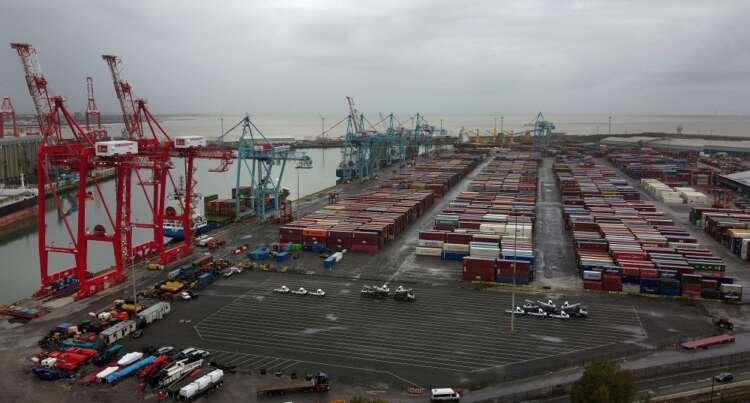
Published by Wanda Rich
Posted on September 2, 2022
2 min readLast updated: February 4, 2026
Add as preferred source on GoogleLONDON (Reuters) -More than 560 dockworkers at the Port of Liverpool, one of Britain’s largest container docks, will go on strike from Sept. 19 to Oct. 3 over pay, the Unite union said on Friday, adding to a summer of industrial unrest caused by soaring inflation.
LONDON (Reuters) -More than 560 dockworkers at the Port of Liverpool, one of Britain’s largest container docks, will go on strike from Sept. 19 to Oct. 3 over pay, the Unite union said on Friday, adding to a summer of industrial unrest caused by soaring inflation.
“Workers across the country are sick to death of being told to take a hit on their wages and living standards,” Unite general secretary Sharon Graham said in a statement, urging the the Mersey Docks and Harbour Company to table a good offer.
The planned Liverpool strike follows an eight-day walkout last month by workers at Felixstowe, Britain’s largest container port, which clogged supply lines but fell short of causing widespread disruption in an industry already facing supply chain issues.
The strike will severely disrupt shipping and road transport in Liverpool and surrounding areas, Unite said.
The workers, comprising port operatives and maintenance engineers, are striking over a 7% pay offer they say amounts to an effective “pay cut” with inflation reaching double digits. They also say MDHC has failed to honour a 2021 pay deal.
MDHC parent Peel Ports said it had offered a pay package of 8.3% on top of a 4.5% pay increase last year and other improvements to shifts, sick pay and pensions.
“Our pay offer is well above the national average and represents a sustainable position for the business, taking into account stagnation in the container market, worldwide economic pressures, the conflict in Ukraine and global shipping disruption,” Peel Ports Chief Operating Officer David Huck said in a statement.
Separately on Friday, transport workers union TSSA announced further strike action from Sept. 15-17 across the Avanti West Coast rail network in a dispute over pay, job security and conditions.
It is the latest strike to disrupt rail services across Britain this summer and comes as industrial unrest affects a range of industries, from aviation and transport to nurses and lawyers.
(Reporting by Sachin Ravikumar and Jonathan Saul; Editing by Alistair Smout and William James)
Inflation is the rate at which the general level of prices for goods and services rises, eroding purchasing power. Central banks attempt to limit inflation, and avoid deflation, to keep the economy running smoothly.
A strike is a work stoppage caused by the mass refusal of employees to work, typically to protest against terms of employment or working conditions. Strikes are often organized by labor unions.
A pay cut is a reduction in an employee's salary or wages. It can occur due to various reasons, including company financial difficulties, restructuring, or changes in job roles.
A pay offer is a proposal made by an employer to employees or unions regarding the salary or wage rates for work performed. It can be part of negotiations during labor disputes.
Explore more articles in the Top Stories category











