
Technology
Bridging the Gap: How Biometrics Can Help Build an Inclusive Payment Future
Published by Jessica Weisman-Pitts
Posted on November 20, 2023
5 min readLast updated: January 31, 2026
Add as preferred source on Google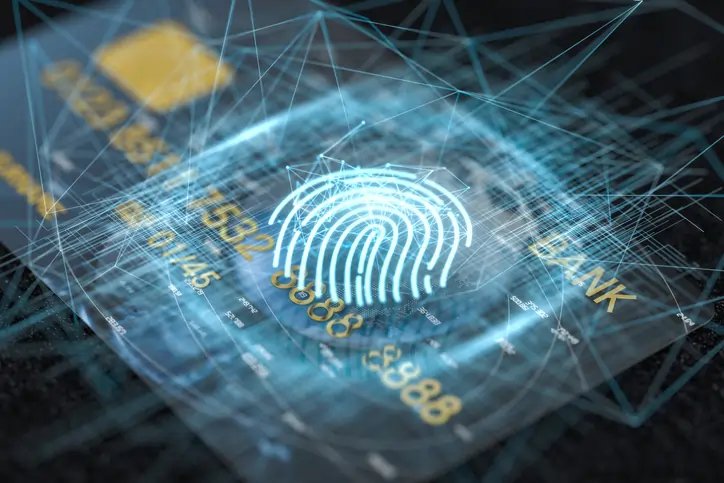
Published by Jessica Weisman-Pitts
Posted on November 20, 2023
5 min readLast updated: January 31, 2026
Add as preferred source on GoogleBy Catharina Eklof, CCO of IDEX Biometrics
Today, many demographics in society still face a financial divide. In late 2021, the World Bank Group reported that almost one-third of adults around the world remain unbanked – equating to around 1.7 billion people, half of whom come from the poorest 40% of the world’s population. The visually impaired, people living with dementia, and those seeking approval to enter a country’s financial ecosystem, such as displaced migrants, are among others who are also often unable to access common financial services. These groups would benefit significantly from a more seamless, secure, and inclusive process of making payments and validating their identity.
Exclusion means being denied access to basic financial services such as savings accounts, loans, a credit rating, or even a bank account. As the world continues to move away from cash and integrate technology into people’s day-to-day lives, the financial gap for these demographics is only going to grow. By 2031, cash payments are expected to make up only 6% of all transactions, making it harder still for those unable to access and use contactless payment methods.
Luckily, biometric smart cards have been identified as an alternative digital payment option, that can help bridge the financial inclusion gap for migrant populations, and those with visual or cognitive disabilities.
The challenges with passwords and PINs
COVID accelerated the transition from cash to contactless payments and the use of digital wallets, creating a challenge for many. By 2024, it is expected that digital wallets and cards will account for 84.5% of all e-commerce spend.
Digital transactions traditionally rely on the use of PINs that can easily be forgotten, as studies have found that we manage 100 passwords on average across various sites and services. In the US alone, consumers report relationships with more than three financial institutions and have more than four accounts per household. The challenge of password recollection is only growing. To counter rising cybersecurity threats, several countries now mandate two-factor authentication for retailers and service providers, creating further complexity.
However, organizations are responding to financial exclusion. Card provider Mastercard introduced its contactless PayPass offering, as well its Touch Card developed alongside Amjan Bank which enables the visually impaired to distinguish between their cards. Both look to provide a better customer experience for people struggling with the digital changeover. For those living with dementia, Mastercard has also partnered with Sibstar and the Alzheimer’s Society to create a specific card where limits, transactions, top-ups and notifications can be viewed and managed via a complementing app. Likewise, Turkish neo bank Papara introduced a Bluetooth debit card that provides visually impaired users with audio prompts when making payments.
Putting financial security first
There are at least 2.2 billion visually impaired people globally. In 2019, it was found that 89% of visually impaired have been victims of fraud or have made errors when paying for goods and services. This figure comes prior to the pandemic, and the proliferation of digital transactions, suggesting an even bigger concern today.
PINs present an obvious security issue for this demographic, with others able to oversee their inputs and then manipulate them. Contactless payments go some way to solving that problem but pose the risk of fraud as there is no PIN verification below the increasing threshold amount, now at £100 in the UK, where the average annual wage is £27,756. In India, where the average annual wage is 9,45,489 rupees (roughly £9000), contactless limits are set to 5000 rupees (£48). Many accounts also require visual-based inputs to prove identity, such as CAPTCHA, proving as a barrier for the visually impaired.
Enhancing awareness on a regulatory level is key for driving change and reassuring vulnerable groups. The EU Accessibility Act is an example of how payment service providers are obliged to comply with accessibility standards. This includes making interfaces perceivable, operable, understandable, and robust, to ensure that individuals with disabilities can effectively navigate payment interfaces.
Bridging the financial inclusion gap through biometrics
Including braille on cards for easy identification is a crucial step for the visually impaired. This is also used on biometrics smart cards, with sensor textures to confirm the user has selected the correct method of transacting. These cards provide convenience, inclusivity, and security by linking a person’s identity to their fingerprint, encrypted within the card itself, therefore reducing data breach concerns.
In India, pension payment fraud has dropped by 47% thanks to bypassing the need for prior credit ratings or credentials. While South America adopted biometrics in the early days, and turned to the solution to cope with swelling population sizes, and the challenges of accessing proof of identity when setting up traditional bank accounts.
Biometric liveness detection is essential for worldwide financial aid programs, that help those who are at a disadvantage. Using biometric verification to secure remittances promotes transparency and improved financial control. Directing cash to cold wallets or biometrically validated cards improve programme efficiency, while protecting people and their communities interests.
Overall, the biometrics market is predicted to increase at a CAGR of 17%, to US$87.4 billion by 2028. Every year, its broad worth as a simple and secure alternative to routine transactions grows. However, you can’t put a price on the effect that biometrics will have on the people who have so-far fallen through the cracks of finance’s digital evolution.
Financial inclusion refers to the accessibility of financial services to all individuals and businesses, particularly those who are underserved or excluded from the traditional banking system.
Biometric payments use unique physical characteristics, such as fingerprints or facial recognition, to authenticate transactions, enhancing security and convenience in financial transactions.
A digital wallet is an electronic application that allows users to store and manage their payment information, enabling easy transactions through mobile devices or computers.
Two-factor authentication is a security process that requires two different forms of identification before granting access to an account, enhancing protection against unauthorized access.
A Personal Identification Number (PIN) is a numeric code used to authenticate a user during transactions, commonly used in banking and payment systems.
Explore more articles in the Technology category









