
Headlines
EU Suspends Sanctions Against Syria Including on Energy, Banking
Published by Global Banking & Finance Review®
Posted on February 24, 2025
2 min readLast updated: February 27, 2026
Add as preferred source on Google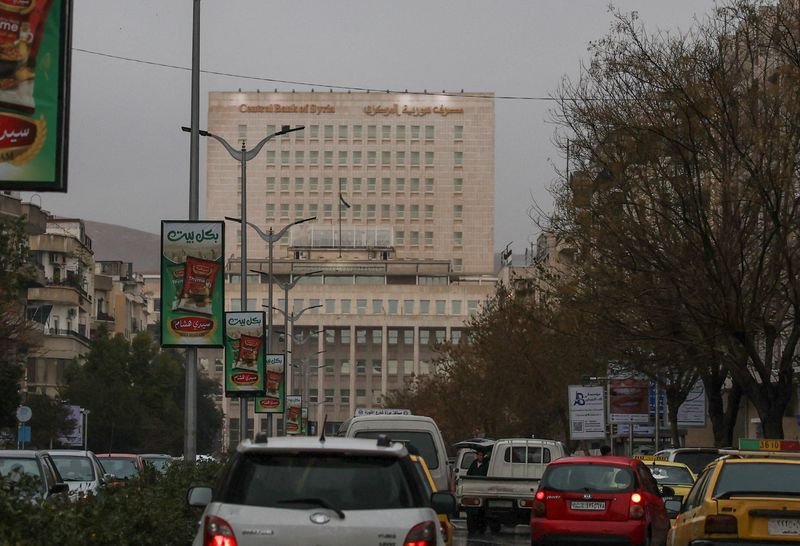
Published by Global Banking & Finance Review®
Posted on February 24, 2025
2 min readLast updated: February 27, 2026
Add as preferred source on GoogleThe EU has suspended sanctions on Syria's energy and banking sectors, including oil and gas, to aid reconstruction and humanitarian efforts.
BRUSSELS (Reuters) - European Union countries suspended a range of sanctions against Syria with immediate effect on Monday, including restrictions related to energy, banking, transport and reconstruction.
The EU has a range of sanctions in place targeting individuals and economic sectors in Syria.
European leaders began rethinking their approach after insurgent forces led by the Islamist Hayat Tahrir al-Sham (HTS) ousted Bashar al-Assad as president in December.
Meeting in Brussels on Monday, EU foreign ministers agreed to suspend restrictions on oil, gas and electricity, and sanctions on the transport sector.
They have also lifted asset freezes for five banks, eased restrictions on the Syrian central bank and indefinitely extended an exemption to facilitate delivery of humanitarian aid.
"We have spent the past two months engaging in discussions and diplomatic efforts to ease the unjust sanctions that have burdened our people," Syrian Foreign Minister Asaad Hassan al-Shibani said on X.
"We welcome the EU's decision to suspend selected sanctions on specific sectors and see this as a step toward alleviating the suffering of our people."
EU states maintained a range of other sanctions related to the Assad authorities, including those on arms trading, dual-use goods with both military and civilian uses, software for surveillance and the international trade of Syrian cultural heritage goods.
They said they would continue to monitor the situation in Syria to ensure that the suspensions remained appropriate.
(Reporting by Bart Meijer; additional reporting by Hatem Maher; editing by Bernadette Baum, Aidan Lewis and Richard Chang)
The EU suspended sanctions related to oil, gas, electricity, and the transport sector, along with asset freezes for five banks.
European leaders reconsidered their approach after insurgent forces ousted Bashar al-Assad, prompting discussions to ease sanctions that burdened the Syrian people.
Syrian Foreign Minister Asaad Hassan al-Shibani welcomed the EU's decision, viewing it as a step toward alleviating the suffering of the Syrian people.
The EU continues to maintain sanctions related to arms trading, dual-use goods, and software for surveillance, among others.
EU states have stated they will continue to monitor the situation to ensure that the suspensions of sanctions remain appropriate.
Explore more articles in the Headlines category

