Headlines
Kremlin Says 'Let's See' When Asked About Future Ties With New German Chancellor
Published by Global Banking & Finance Review®
Posted on February 24, 2025
2 min readLast updated: February 27, 2026
Add as preferred source on Google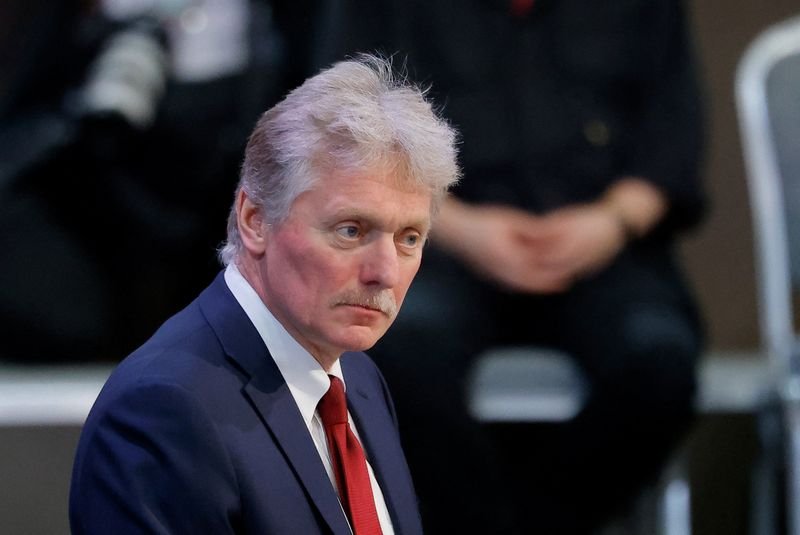
Published by Global Banking & Finance Review®
Posted on February 24, 2025
2 min readLast updated: February 27, 2026
Add as preferred source on GoogleKremlin awaits Friedrich Merz's impact on Russia-Germany ties, hoping for constructive relations amid reduced gas dependency and Ukraine tensions.
MOSCOW (Reuters) - The Kremlin said on Monday it would have to wait and see how ties between Russia and any new German government evolved after Sunday's election victory for Friedrich Merz's conservatives, saying there could be areas of cooperation of mutual interest.
Merz, 69, is set to become Germany's next chancellor after his CDU/CSU bloc came in first place, with the far-right Alternative for Germany (AfD) surging to a historic second place following the collapse of Chancellor Olaf Schol'z three-way alliance.
Asked if Merz's arrival would allow Russia and Germany to build a more constructive relationship like the one under former German chancellor Angela Merkel, Kremlin spokesman Dmitry Peskov said:
"Each time (there's a new government) we want to hope for a more sober approach to reality, for a more sober approach to what could be issues of mutual interest (between Russia and Germany), mutual benefits.
"But let's see how it will be in reality."
Russia supplied about 65% of the gas which powered German homes and industry before the start of Moscow's war in Ukraine three years ago, according to the Brookings Institution, a U.S. think-tank.
Germany has dramatically reduced its dependency on Russian gas since then, and ties between the countries have since been further strained over Berlin's military assistance to Ukraine.
(Reporting by Dmitry Antonov; Writing by Lucy Papachristou; Editing by Andrew Osborn)
The Kremlin stated it would have to wait and see how ties between Russia and the new German government evolve.
Friedrich Merz is set to become Germany's next chancellor after his CDU/CSU bloc won the election.
Germany has dramatically reduced its dependency on Russian gas since the start of Moscow's war in Ukraine.
The Kremlin hopes for a more sober approach to mutual interests between Russia and Germany with the new government.
Before the war in Ukraine, Russia supplied about 65% of the gas powering German homes and industry.
Explore more articles in the Headlines category