Finance
Strategies for Startups to Secure Venture Capital Funding
Published by Wanda Rich
Posted on February 12, 2024
7 min readLast updated: January 31, 2026
Add as preferred source on Google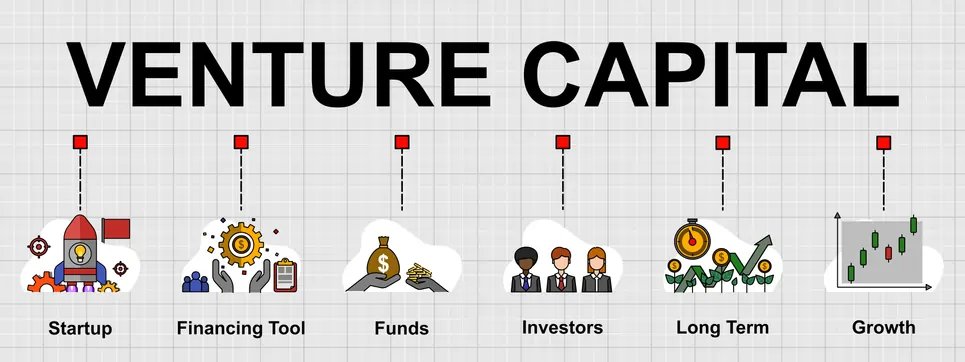
Published by Wanda Rich
Posted on February 12, 2024
7 min readLast updated: January 31, 2026
Add as preferred source on GoogleVenture capital funding represents a significant milestone for startups, acting as a catalyst for growth and scaling opportunities. However, the path to securing this type of investment is fraught with challenges, requiring a well-thought-out strategy and a robust understanding of what investors are...
Venture capital funding represents a significant milestone for startups, acting as a catalyst for growth and scaling opportunities. However, the path to securing this type of investment is fraught with challenges, requiring a well-thought-out strategy and a robust understanding of what investors are looking for. This article explores the landscape of venture capital funding and outlines actionable strategies to help startups navigate this journey successfully.
At its core, venture capital is a form of financing provided to startups and small businesses with the potential for exponential growth. Unlike traditional financing sources, venture capitalists (VCs) offer more than just money; they bring a wealth of experience, industry connections, and mentorship. Understanding the nature of venture capital is the first step for startups aiming to attract such investments.
The cornerstone of securing VC funding is the ability to craft a compelling pitch. This pitch should not only demonstrate the innovative aspects of your product or service but also clearly articulate your business model, market opportunity, competitive advantage, and how you plan to generate returns on investment.
Key Elements of a Winning Pitch:
VCs invest in people as much as they invest in ideas. A talented and dedicated team is often seen as a strong indicator of a startup’s potential for success. Highlighting the expertise and industry experience of your team can significantly increase your startup’s attractiveness to potential investors.
Investors are looking for startups that not only solve a current need but also have the potential for significant growth. Demonstrating a deep understanding of your market, including size, growth projections, and customer pain points, is crucial. Additionally, showing traction through customer growth, partnerships, or revenue can provide tangible proof of your startup’s potential.
The startup ecosystem is built on relationships. Networking with other entrepreneurs, attending industry events, and engaging with potential investors through warm introductions can increase your visibility and chances of securing funding. Building a relationship with potential investors before you need to raise funds can be beneficial.
The process of securing venture capital can be long and complex, involving multiple stages from initial meetings to pitching, due diligence, and finally, the negotiation of terms. Understanding this process and being prepared at each stage can help startups navigate it more effectively.
Preparation is Key:
Certainly, the preparation phase for securing venture capital is both critical and multifaceted, demanding meticulous attention to detail across several domains. This phase sets the groundwork for successful engagement with potential investors by ensuring that a startup is not only ready to present a compelling case but also to undergo rigorous due diligence processes and enter into negotiations. Let’s delve deeper into the key aspects of preparation.
The due diligence process is an in-depth examination conducted by venture capitalists to validate the information presented by a startup. It covers financials, legal matters, business operations, and more. Being prepared with organized, accessible, and comprehensive documentation can significantly streamline this process.
Venture capital investments are accompanied by term sheets, outlining the terms and conditions of the investment. Understanding common terms used in these agreements is crucial for effective negotiations.
Your pitch to venture capitalists should tell a compelling story about your startup, highlighting its potential to disrupt the market or solve a significant problem.
Building relationships with potential investors before you officially start the fundraising process can be invaluable. Engage with the venture capital community through industry events, startup meetups, and direct outreach. Getting on an investor’s radar early can provide valuable feedback and potentially a smoother path to investment when you’re ready to raise funds.
Finally, practice your pitch extensively. Be prepared to answer tough questions about your business model, market potential, and financial projections. A confident and well-rehearsed presentation can make a strong impression on potential investors.
In summary, preparation is the foundation upon which successful venture capital funding campaigns are built. By organizing due diligence materials, understanding and preparing for negotiations, crafting a strategic narrative, building relationships with potential investors, and practicing your pitch, you significantly increase your startup’s chances of securing venture capital funding.
The journey to secure venture capital can be challenging, with many startups facing rejections along the way. Maintaining a positive attitude, being open to feedback, and continuously refining your pitch and strategy based on this feedback can increase your chances of success in future funding rounds.
How do I know if venture capital is right for my startup? Venture capital is best suited for startups with high growth potential and a scalable business model. If you aim to grow rapidly and are open to exchanging equity for investment, VC funding might be a suitable option.
What do venture capitalists look for in a startup? VCs look for a strong team, a clear and scalable business model, significant market potential, competitive advantages, and evidence of traction.
How long does it take to secure venture capital funding? The timeline can vary widely, but startups should be prepared for the process to take anywhere from a few months to over a year.
Can I secure venture capital funding without a prototype? Yes, but having a prototype or MVP (Minimum Viable Product) can significantly strengthen your case by demonstrating the feasibility of your product or service.
Securing venture capital funding is a significant endeavor that requires careful planning, a compelling pitch, and a strategic approach to investor engagement. By understanding the venture capital landscape, crafting a compelling pitch, building a strong team, demonstrating market potential, and leveraging your network, you can increase your startup’s chances of securing the investment it needs to scale and succeed. Remember, persistence and resilience are key; every rejection is an opportunity to refine your approach and move one step closer to securing the funding your startup needs to thrive.
Venture capital is a form of financing provided to startups and small businesses that have high growth potential. It typically involves investment from venture capitalists who also offer expertise and mentorship.
A business pitch is a presentation where entrepreneurs showcase their business idea to potential investors. It typically includes details about the product, market opportunity, and financial projections.
Due diligence is the process by which investors evaluate a startup's business model, financials, and operations before making an investment. It ensures that all claims made by the startup are verified.
A growth strategy outlines how a business plans to expand its operations, increase revenue, and scale its market presence. It can include product development, market expansion, and strategic partnerships.
A value proposition is a statement that explains how a product or service solves a problem or improves a situation for customers, highlighting its unique benefits compared to competitors.
Explore more articles in the Finance category