Search
00
GBAF Logo
trophy
Top StoriesInterviewsBusinessFinanceBankingTechnologyInvestingTradingVideosAwardsMagazinesHeadlinesTrends

Subscribe to our newsletter

Get the latest news and updates from our team.

Global Banking & Finance Review®

Global Banking & Finance Review® - Subscribe to our newsletter

Company

    GBAF Logo
    • About Us
    • Profile
    • Privacy & Cookie Policy
    • Terms of Use
    • Contact Us
    • Advertising
    • Submit Post
    • Latest News
    • Research Reports
    • Press Release
    • Awards▾
      • About the Awards
      • Awards TimeTable
      • Submit Nominations
      • Testimonials
      • Media Room
      • Award Winners
      • FAQ
    • Magazines▾
      • Global Banking & Finance Review Magazine Issue 79
      • Global Banking & Finance Review Magazine Issue 78
      • Global Banking & Finance Review Magazine Issue 77
      • Global Banking & Finance Review Magazine Issue 76
      • Global Banking & Finance Review Magazine Issue 75
      • Global Banking & Finance Review Magazine Issue 73
      • Global Banking & Finance Review Magazine Issue 71
      • Global Banking & Finance Review Magazine Issue 70
      • Global Banking & Finance Review Magazine Issue 69
      • Global Banking & Finance Review Magazine Issue 66
    Top StoriesInterviewsBusinessFinanceBankingTechnologyInvestingTradingVideosAwardsMagazinesHeadlinesTrends

    Global Banking & Finance Review® is a leading financial portal and online magazine offering News, Analysis, Opinion, Reviews, Interviews & Videos from the world of Banking, Finance, Business, Trading, Technology, Investing, Brokerage, Foreign Exchange, Tax & Legal, Islamic Finance, Asset & Wealth Management.
    Copyright © 2010-2026 GBAF Publications Ltd - All Rights Reserved. | Sitemap | Tags | Developed By eCorpIT

    Editorial & Advertiser disclosure

    Global Banking & Finance Review® is an online platform offering news, analysis, and opinion on the latest trends, developments, and innovations in the banking and finance industry worldwide. The platform covers a diverse range of topics, including banking, insurance, investment, wealth management, fintech, and regulatory issues. The website publishes news, press releases, opinion and advertorials on various financial organizations, products and services which are commissioned from various Companies, Organizations, PR agencies, Bloggers etc. These commissioned articles are commercial in nature. This is not to be considered as financial advice and should be considered only for information purposes. It does not reflect the views or opinion of our website and is not to be considered an endorsement or a recommendation. We cannot guarantee the accuracy or applicability of any information provided with respect to your individual or personal circumstances. Please seek Professional advice from a qualified professional before making any financial decisions. We link to various third-party websites, affiliate sales networks, and to our advertising partners websites. When you view or click on certain links available on our articles, our partners may compensate us for displaying the content to you or make a purchase or fill a form. This will not incur any additional charges to you. To make things simpler for you to identity or distinguish advertised or sponsored articles or links, you may consider all articles or links hosted on our site as a commercial article placement. We will not be responsible for any loss you may suffer as a result of any omission or inaccuracy on the website.

    Home > Finance > Strategies for Optimizing Business Tax Liabilities
    Finance

    Strategies for Optimizing Business Tax Liabilities

    Published by Uma Rajagopal

    Posted on February 9, 2024

    6 min read

    Last updated: January 31, 2026

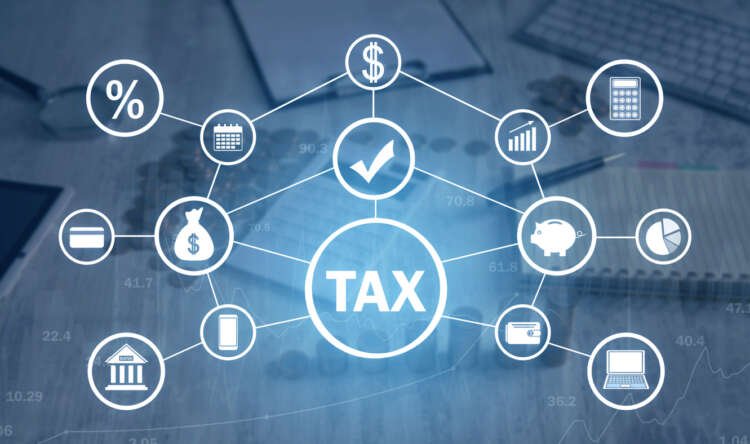
    This image visually represents the complex nature of digital transactions in the metaverse, highlighting the importance of taxation and regulatory considerations as e-commerce evolves. It relates to the article's exploration of how taxes will be applied in virtual environments.
    Illustration of digital transactions in the metaverse with tax implications - Global Banking & Finance Review
    Why waste money on news and opinion when you can access them for free?

    Take advantage of our newsletter subscription and stay informed on the go!

    Subscribe

    Tags:tax administrationcorporate taxfinancial managementbusiness investment

    Table of Contents

    • Introduction
    • Understanding Tax Liabilities
    • Strategies for Optimizing Tax Liabilities
    • 1.Choose the Right Business Structure
    • 2.Maximize Tax Deductions
    • 3.Harness the Power of Tax Credits
    • 4.Strategically Time Income and Expenses
    • 6.Explore Tax-Advantaged Investments
    • 7.Stay Vigilant Amid Regulatory Changes

    Strategies for Optimizing Business Tax Liabilities

    Introduction

    In the intricate web of business operations, tax planning emerges as a crucial thread that, when woven strategically, can significantly impact a company’s financial health. Entrepreneurs and business owners often grapple with the complexities of tax liabilities, seeking ways to navigate the terrain effectively while remaining compliant with legal obligations. In this comprehensive guide, we embark on a journey through the labyrinth of tax optimization strategies, shedding light on actionable insights and prudent approaches that businesses can adopt to mitigate tax burdens and bolster their bottom line.

    Understanding Tax Liabilities

    At the heart of any tax planning endeavor lies a deep understanding of tax liabilities. Simply put, tax liability refers to the total amount of tax owed by an individual or entity to the government, determined by factors such as taxable income, deductions, credits, and prevailing tax rates. For businesses, navigating the terrain of tax liabilities entails grappling with multifaceted variables, including legal structure, industry norms, geographical location, and evolving regulatory frameworks.

    Strategies for Optimizing Tax Liabilities

    1.Choose the Right Business Structure

    The foundation of tax optimization begins with the selection of an appropriate business structure. Whether opting for a sole proprietorship, partnership, corporation, or limited liability company (LLC), each entity type carries distinct tax implications. For instance:

    • Sole proprietorships and partnerships operate as pass-through entities, where profits and losses flow directly to the owners’ personal tax returns.
    • Corporations, on the other hand, face corporate income tax but may benefit from lower tax rates, as well as various deductions and credits.

    By carefully evaluating the pros and cons of each business structure in light of tax considerations, entrepreneurs can chart a course that aligns with their financial objectives and minimizes tax obligations.

    2.Maximize Tax Deductions

    Eligible business tax deductions serve as powerful tools for reducing taxable income, thereby lowering overall tax liabilities. Businesses can leverage deductions across a spectrum of expenses, including:

    • Operating expenses such as rent, utilities, salaries, and professional services.
    • Depreciation of tangible assets, allowing for the gradual allocation of asset costs over time.
    • Interest paid on business loans, offering relief from the financial burden of borrowing capital.

    By meticulously identifying eligible deductions and optimizing expense management, businesses can optimize their tax positions while bolstering cash flow.

    3.Harness the Power of Tax Credits

    In addition to deductions, businesses can capitalize on tax credits to further alleviate tax burdens. Unlike deductions that reduce taxable income, tax credits directly offset tax liabilities, offering a dollar-for-dollar reduction in tax owed. Businesses can explore a plethora of tax credits, including those for:

    • Research and development (R&D) initiatives, incentivizing innovation and technological advancement.
    • Hiring certain employees from targeted demographic groups, fostering diversity and inclusion in the workforce.
    • Investments in renewable energy and sustainable practices, promoting environmental stewardship.

    By leveraging available tax credits, businesses can unlock substantial savings and enhance their competitive edge in the marketplace.

    4.Strategically Time Income and Expenses

    The timing of income recognition and expense realization can exert a profound influence on tax liabilities. Through strategic income deferral and expense acceleration, businesses can modulate their taxable income, effectively shifting tax obligations across fiscal periods. This approach enables businesses to capitalize on lower tax rates in favorable years while deferring tax liabilities to subsequent periods.

    5.Embrace Retirement Planning

    Retirement planning not only serves as a cornerstone of financial wellness for employees but also presents tax advantages for businesses. Contributions to qualified retirement plans, such as 401(k) or Simplified Employee Pension (SEP) IRA, confer tax-deductible status, reducing taxable income for the business entity. Furthermore, investment earnings within these retirement accounts grow tax-deferred, compounding wealth over time.

    6.Explore Tax-Advantaged Investments

    Certain investments offer tax-efficient avenues for businesses to deploy capital while optimizing tax liabilities. For instance:

    • Municipal bonds provide tax-exempt interest income at the federal level and, in some cases, at the state and local levels, offering a compelling value proposition for risk-averse investors.
    • Qualified Opportunity Zones (QOZs) incentivize investments in economically distressed communities through tax deferrals and exemptions, catalyzing economic revitalization and community development.

    By incorporating tax-advantaged investments into their portfolio, businesses can amplify returns while minimizing tax exposure.

    7.Stay Vigilant Amid Regulatory Changes

    Tax laws and regulations are subject to continual evolution, shaped by legislative reforms, judicial rulings, and administrative interpretations. To navigate this dynamic landscape effectively, businesses must remain vigilant and responsive to emerging trends and regulatory developments. By staying informed and engaging with qualified tax advisors, businesses can proactively adapt their tax strategies to align with prevailing legal frameworks.

    FAQs

    Q: What are some common tax deductions for businesses?

    A: Common tax deductions for businesses encompass a wide array of expenses, including operating costs such as rent, utilities, salaries, advertising, and professional fees. Additionally, businesses can deduct depreciation on tangible assets, interest on business loans, and expenses related to employee benefits and retirement contributions.

    Q: How can businesses determine their eligibility for tax credits?

    A: Determining eligibility for tax credits necessitates a thorough understanding of the specific criteria established by the relevant taxing authorities. Businesses can conduct a comprehensive review of available tax credits and assess their applicability based on factors such as industry sector, business activities, geographic location, and workforce composition. Consulting with tax professionals can provide invaluable guidance in navigating the intricacies of tax credit eligibility criteria.

    Q: What are the potential risks associated with aggressive tax planning strategies?

    A: While tax planning is essential for optimizing tax liabilities, adopting overly aggressive strategies can expose businesses to a myriad of risks, including regulatory scrutiny, audits, penalties, and reputational damage. It’s imperative for businesses to strike a balance between tax optimization and compliance, ensuring that their tax strategies adhere to legal and ethical standards.

    Conclusion

    In the ever-evolving landscape of business taxation, proactive tax planning emerges as a cornerstone of financial stewardship, enabling businesses to navigate regulatory complexities while maximizing value creation. By implementing a strategic framework encompassing prudent entity structuring, expense optimization, tax credit utilization, and continuous regulatory monitoring, businesses can forge a path toward sustainable growth and fiscal resilience. As the adage goes, “By failing to prepare, you are preparing to fail” — a sentiment that underscores the imperative of proactive tax planning in safeguarding business prosperity and securing a brighter future.

    Frequently Asked Questions about Strategies for Optimizing Business Tax Liabilities

    1What is a tax deduction?

    A tax deduction is an expense that can be subtracted from taxable income, reducing the overall tax liability. Common deductions include operating expenses, depreciation, and interest on loans.

    2What is a tax credit?

    A tax credit is an amount that can be directly deducted from the total tax owed, providing a dollar-for-dollar reduction in tax liability. Examples include credits for research and development.

    3What is tax planning?

    Tax planning involves strategizing to minimize tax liabilities through various methods, such as choosing the right business structure, maximizing deductions, and utilizing tax credits.

    4What is retirement planning in a business context?

    Retirement planning for businesses involves setting up retirement plans for employees, which can provide tax benefits and help in attracting and retaining talent.

    FAQs
  • Q: What are some common tax deductions for businesses?
  • Q: How can businesses determine their eligibility for tax credits?
  • Q: What are the potential risks associated with aggressive tax planning strategies?
  • Conclusion
  • More from Finance

    Explore more articles in the Finance category

    Image for Hungary's opposition Tisza promises wealth tax, euro adoption in election programme
    Hungary's opposition Tisza promises wealth tax, euro adoption in election programme
    Image for Farmers report 'catastrophic' damage to crops as Storm Marta hits Spain and Portugal
    Farmers report 'catastrophic' damage to crops as Storm Marta hits Spain and Portugal
    Image for If US attacks, Iran says it will strike US bases in the region
    If US attacks, Iran says it will strike US bases in the region
    Image for Olympics-Biathlon-Winter Games bring tourism boost to biathlon hotbed of northern Italy
    Olympics-Biathlon-Winter Games bring tourism boost to biathlon hotbed of northern Italy
    Image for Analysis-Bitcoin loses Trump-era gains as crypto market volatility signals uncertainty
    Analysis-Bitcoin loses Trump-era gains as crypto market volatility signals uncertainty
    Image for NatWest closes in on $3.4 billion takeover of wealth manager Evelyn, Sky News reports
    NatWest closes in on $3.4 billion takeover of wealth manager Evelyn, Sky News reports
    Image for Stellantis-backed ACC drops plans for Italian, German gigafactories, union says
    Stellantis-backed ACC drops plans for Italian, German gigafactories, union says
    Image for US pushes Russia and Ukraine to end war by summer, Zelenskiy says
    US pushes Russia and Ukraine to end war by summer, Zelenskiy says
    Image for Russia launches massive attack on Ukraine's energy system, Zelenskiy says
    Russia launches massive attack on Ukraine's energy system, Zelenskiy says
    Image for Russia launched 400 drones, 40 missiles to hit Ukraine's energy sector, Zelenskiy says
    Russia launched 400 drones, 40 missiles to hit Ukraine's energy sector, Zelenskiy says
    Image for The Kyiv family, with its pets and pigs, defying Russia and the cold
    The Kyiv family, with its pets and pigs, defying Russia and the cold
    Image for Two Polish airports reopen after NATO jets activated over Russian strikes on Ukraine
    Two Polish airports reopen after NATO jets activated over Russian strikes on Ukraine
    View All Finance Posts
    Previous Finance PostGLEIF Welcomes MNS Credit Management Group to Growing Validation Agent Network in India
    Next Finance PostTransak Expands into Hong Kong to Support Development & Growth of APAC’s Nascent Digital Asset Ecosystem