Finance
Predicted House Price Fall – a Boost for Btl Landlords
Published by Jessica Weisman-Pitts
Posted on November 15, 2022
5 min readLast updated: February 3, 2026
Add as preferred source on Google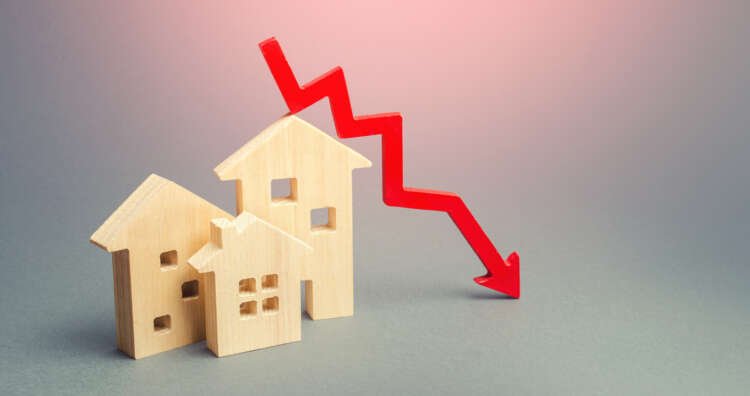
Published by Jessica Weisman-Pitts
Posted on November 15, 2022
5 min readLast updated: February 3, 2026
Add as preferred source on GoogleAs Finbri, a property bridging loan specialist, comments, “The current situation is not only having an impact on house prices but also on people’s spending. 30% of consumers are spending less and our recent survey discovered that 20.19% of property investors will decrease their discretionary spending as a result of the current economic conditions.
Despite this, there is still significant interest in property investment, with 50.45% of current investors looking to invest in property in 2023. Many property experts have forecasted a 10%-15% decline in home prices next year as a result of mortgage lenders pulling agreements and increasing interest rates. This presents a robust opportunity for buy-to-let landlords to take advantage of the current market conditions and increase their portfolio.”
The UK is currently experiencing significant economic turmoil that is directly impacting the property market, with three Prime Ministers in 2022 alone (so far), a cost-of-living crisis, mortgage upheaval as a result of the mini-budget that was subsequently u-turned and repossessions predicted to increase from 0.01% to over 0.06% of outstanding mortgages per quarter by end-2025.
These conditions have resulted in a perfect storm for the housing market, with prices plummeting as a direct consequence – presenting an opportunity to invest in property at below market value.
Nationwide have announced the following changes to their accounts from December 2022:
The current market conditions have resulted in a decrease in demand for property purchases.. This reduced competition has led to a decrease in prices, making buy-to-let investments more attractive.
According to Finbri’s research, 50.45% of people are planning on investing in property in 2023 – with many seeing this as a way to safeguard their money during these uncertain times.
Buy-to-lets have always been a popular investment with many people attracted by the potential for high returns. However, with the ongoing cost-of-living crisis, increasing inflation and property market uncertainty, it is also important to consider the risks associated with this type of investment.
However, with the recent changes to mortgage interest tax relief, as well as the introduction of a 3% surcharge on stamp duty for second homes, buy-to-let has become less attractive as an investment proposition to some. These changes have been exacerbated by the fact that many lenders have started to withdraw their most attractive buy-to-let deals.
Despite the current economic conditions, there is still a growing interest in investing in property, with 67.92% of experienced investors looking to invest in property in 2023. This presents a fantastic opportunity for buy-to-let landlords to take advantage of the current market conditions and increase their portfolios.
Final thoughts
The predicted market conditions present a considerable opportunity for buy-to-let landlords to take advantage of the current market conditions and increase their portfolio. Despite the current economic conditions, there is still significant interest in investing in property, making buy-to-let investments an attractive option for many.
However, it is important to remember that there are risks associated with any investment, and you should always seek professional financial advice before making any decisions.
A buy-to-let investment involves purchasing a property with the intention of renting it out to generate rental income. This strategy can provide investors with a steady cash flow and potential capital appreciation.
Mortgage rates are the interest rates charged on a mortgage loan. They can vary based on factors such as the lender, the borrower's creditworthiness, and economic conditions.
The housing market refers to the supply and demand for residential properties. It encompasses various factors, including property prices, mortgage rates, and economic conditions that influence buying and selling.
Property investment involves purchasing real estate with the expectation of generating income or profit through rental income or capital appreciation over time.
Inflation is the rate at which the general level of prices for goods and services rises, eroding purchasing power. It is typically measured by the Consumer Price Index (CPI).
Explore more articles in the Finance category