Search
00
GBAF Logo
trophy
Top StoriesInterviewsBusinessFinanceBankingTechnologyInvestingTradingVideosAwardsMagazinesHeadlinesTrends

Subscribe to our newsletter

Get the latest news and updates from our team.

Global Banking & Finance Review®

Global Banking & Finance Review® - Subscribe to our newsletter

Company

    GBAF Logo
    • About Us
    • Profile
    • Privacy & Cookie Policy
    • Terms of Use
    • Contact Us
    • Advertising
    • Submit Post
    • Latest News
    • Research Reports
    • Press Release
    • Awards▾
      • About the Awards
      • Awards TimeTable
      • Submit Nominations
      • Testimonials
      • Media Room
      • Award Winners
      • FAQ
    • Magazines▾
      • Global Banking & Finance Review Magazine Issue 79
      • Global Banking & Finance Review Magazine Issue 78
      • Global Banking & Finance Review Magazine Issue 77
      • Global Banking & Finance Review Magazine Issue 76
      • Global Banking & Finance Review Magazine Issue 75
      • Global Banking & Finance Review Magazine Issue 73
      • Global Banking & Finance Review Magazine Issue 71
      • Global Banking & Finance Review Magazine Issue 70
      • Global Banking & Finance Review Magazine Issue 69
      • Global Banking & Finance Review Magazine Issue 66
    Top StoriesInterviewsBusinessFinanceBankingTechnologyInvestingTradingVideosAwardsMagazinesHeadlinesTrends

    Global Banking & Finance Review® is a leading financial portal and online magazine offering News, Analysis, Opinion, Reviews, Interviews & Videos from the world of Banking, Finance, Business, Trading, Technology, Investing, Brokerage, Foreign Exchange, Tax & Legal, Islamic Finance, Asset & Wealth Management.
    Copyright © 2010-2026 GBAF Publications Ltd - All Rights Reserved. | Sitemap | Tags | Developed By eCorpIT

    Editorial & Advertiser disclosure

    Global Banking & Finance Review® is an online platform offering news, analysis, and opinion on the latest trends, developments, and innovations in the banking and finance industry worldwide. The platform covers a diverse range of topics, including banking, insurance, investment, wealth management, fintech, and regulatory issues. The website publishes news, press releases, opinion and advertorials on various financial organizations, products and services which are commissioned from various Companies, Organizations, PR agencies, Bloggers etc. These commissioned articles are commercial in nature. This is not to be considered as financial advice and should be considered only for information purposes. It does not reflect the views or opinion of our website and is not to be considered an endorsement or a recommendation. We cannot guarantee the accuracy or applicability of any information provided with respect to your individual or personal circumstances. Please seek Professional advice from a qualified professional before making any financial decisions. We link to various third-party websites, affiliate sales networks, and to our advertising partners websites. When you view or click on certain links available on our articles, our partners may compensate us for displaying the content to you or make a purchase or fill a form. This will not incur any additional charges to you. To make things simpler for you to identity or distinguish advertised or sponsored articles or links, you may consider all articles or links hosted on our site as a commercial article placement. We will not be responsible for any loss you may suffer as a result of any omission or inaccuracy on the website.

    Home > Finance > Impact of Property Valuation on Loan Amount Sanctioned
    Finance

    Impact of Property Valuation on Loan Amount Sanctioned

    Published by Wanda Rich

    Posted on May 23, 2025

    4 min read

    Last updated: January 23, 2026

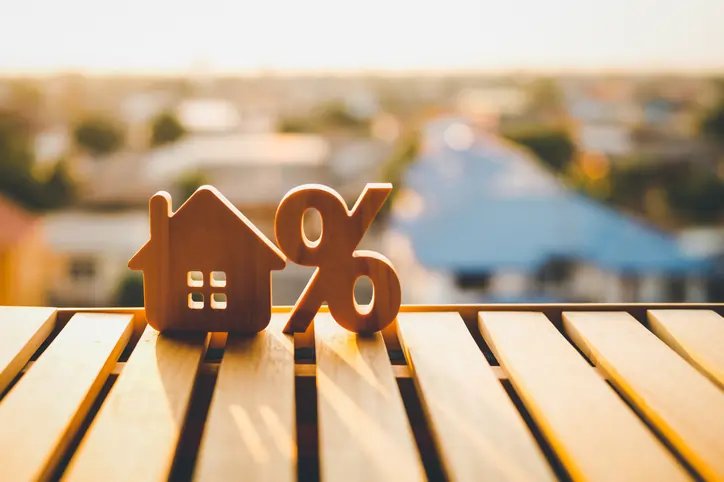
    Visual representation highlighting how property valuation affects the loan amounts sanctioned by banks, emphasizing the importance of market value in the home buying process.
    Illustration of property valuation impacting home loan amounts - Global Banking & Finance Review
    Why waste money on news and opinion when you can access them for free?

    Take advantage of our newsletter subscription and stay informed on the go!

    Subscribe

    Tags:valuationsMortgagesproperty managementfinancial planningReal estate investments

    Quick Summary

    The amount you are eligible to borrow for a home loan doesn’t just depend on your income or credit score. There’s something else that plays a quiet but crucial role, i.e., how much the property is worth in the eyes of the lender. It might sound straightforward, but the way this value is arrived at c...

    Table of Contents

    • What is property valuation?
    • Correlation between home loan amount and property valuation
    • Why is it important to understand this?
    • Final thoughts

    The amount you are eligible to borrow for a home loan doesn’t just depend on your income or credit score. There’s something else that plays a quiet but crucial role, i.e., how much the property is worth in the eyes of the lender. It might sound straightforward, but the way this value is arrived at can surprise many first-time borrowers. From influencing how much the bank is willing to lend, to affecting your margin money and interest in subtle ways, this behind-the-scenes process can shape your entire loan journey. Understanding how this works can help you plan better, negotiate smarter and avoid last-minute disappointments.

    What is property valuation?

    Property valuation is the process of finding out the current market value of a property. This is usually done by a certified valuer or an authorised agency on behalf of the bank or financial institution. The goal is to estimate how much the property would reasonably sell for, based on factors like:

    • Location and surrounding infrastructure
    • Size and layout of the property
    • Construction quality and age of the building
    • Market demand and rates in that area
    • Legal clearances and property title

    Banks rely on this valuation to decide how much they can safely lend against the property. Even if your agreement value is higher, the loan amount is usually based on this assessed value, not the price you are paying.

    Correlation between home loan amount and property valuation

    When you apply for a home loan, the bank doesn’t give the loan based on the price you’re paying. Instead, it checks how much the property is worth in today’s market. This is called property valuation.

    Let’s say you’re buying a house for Rs. 90 Lakh. But the bank’s valuer checks and says the market value is only Rs. 80 Lakh. In this case, your loan will be based on Rs. 80 Lakh—not 90.

    Now, if the bank offers 80% Loan-to-Value (LTV), you’ll get a loan of Rs. 64 Lakh (80% of Rs. 80 Lakh). The remaining amount of Rs. 26 lakhs has to come from your own savings. That includes the extra Rs. 10 lakhs difference between the agreement price and valuation.

    So, when property valuation is lower, your loan becomes smaller and you need to pay more upfront. But if the property is valued at Rs. 90 Lakh or higher, you could get a higher loan and pay less from your pocket.

    That’s why property valuation plays a big role in deciding how much loan you get.

    Why is it important to understand this?

    Understanding how property valuation affects your home loan is important for a few key reasons:

    • Helps you plan your budget better

    If you know the bank may offer a loan based on its own valuation, not your purchase price, you can plan how much money you need to arrange. This avoids last-minute surprises when you realise the loan amount is lower than expected.

    • Prevents overpaying for a property

    Sometimes, sellers quote prices much higher than the actual market value. A low valuation from the bank is a signal that you may be overpaying. This helps you make smarter buying decisions or even renegotiate the price.

    • Affects your loan eligibility and EMI

    Since your loan amount depends on the valuation, it also impacts your monthly EMI. A lower loan amount means a higher down payment. On the other hand, if the valuation supports a higher loan, you may have more flexibility.

    • Helps you choose the right property

    If you understand how valuation works, you can choose properties that are fairly priced and more likely to get good loan support. This also increases your chances of loan approval.

    • Avoids delays in loan processing

    Loan approvals can get delayed or rejected if the valuation is too low compared to the deal price. Being aware of this process helps you stay prepared and choose properties that meet both your needs and the bank’s standards.

    Final thoughts

    Before you finalise a deal, check and compare the home loan interest rate offered by different lenders, since even a small difference can impact your monthly payments.

    Once you are aware of your expected loan amount, use a home loan EMI calculator to estimate your monthly instalments. It will give you clarity on whether the repayment fits your income and budget.

    So, choose a property that aligns with your financial comfort, matches the bank’s valuation and meets your long-term needs. It’s also wise to keep extra funds ready in case the approved loan amount is lower than expected.

    Plan ahead and stay informed in order to reduce surprises and delays. With the right steps, the process of availing a home loan would be smooth.

    Frequently Asked Questions about Impact of Property Valuation on Loan Amount Sanctioned

    1What is property valuation?

    Property valuation is the process of estimating the market value of a property, typically conducted by a certified valuer or agency on behalf of a lender.

    2What is a home loan?

    A home loan is a type of loan specifically used to purchase real estate, where the property itself serves as collateral for the loan.

    3What is Loan-to-Value (LTV)?

    Loan-to-Value (LTV) is a financial term used by lenders to express the ratio of a loan to the value of an asset purchased, typically used in mortgage lending.

    4What is margin money?

    Margin money refers to the amount of money that a borrower must contribute towards the purchase of a property, which is not covered by the loan.

    5What is an EMI?

    An EMI, or Equated Monthly Installment, is a fixed payment amount made by a borrower to a lender at a specified date each calendar month.

    More from Finance

    Explore more articles in the Finance category

    Image for French miner Eramet's finance chief steps aside temporarily, days after CEO ouster
    French miner Eramet's finance chief steps aside temporarily, days after CEO ouster
    Image for Ukraine's Zelenskiy calls for faster action on air defence, repairs to grid
    Ukraine's Zelenskiy calls for faster action on air defence, repairs to grid
    Image for Goldman Sachs teams up with Anthropic to automate banking tasks with AI agents, CNBC reports
    Goldman Sachs teams up with Anthropic to automate banking tasks with AI agents, CNBC reports
    Image for Analysis-Hims' $49 weight-loss pill rattles investor case for cash-pay obesity market
    Analysis-Hims' $49 weight-loss pill rattles investor case for cash-pay obesity market
    Image for Analysis-Glencore to focus on short-term disposals as Rio deal remains elusive
    Analysis-Glencore to focus on short-term disposals as Rio deal remains elusive
    Image for Belgium's Agomab Therapeutics valued at $716 million as shares fall in Nasdaq debut
    Belgium's Agomab Therapeutics valued at $716 million as shares fall in Nasdaq debut
    Image for Big Tech's quarter in four charts: AI splurge and cloud growth
    Big Tech's quarter in four charts: AI splurge and cloud growth
    Image for EU hikes tariffs on Chinese ceramics to 79% to counter dumping 
    EU hikes tariffs on Chinese ceramics to 79% to counter dumping 
    Image for AI trade splinters as investors get more selective
    AI trade splinters as investors get more selective
    Image for EU extends tariff suspension on $109.8 billion of US imports for six months
    EU extends tariff suspension on $109.8 billion of US imports for six months
    Image for Dog food maker Ollie acquired by Spain’s Agrolimen
    Dog food maker Ollie acquired by Spain’s Agrolimen
    Image for Salzgitter to take over HKM steel joint venture, end clash with Thyssenkrupp
    Salzgitter to take over HKM steel joint venture, end clash with Thyssenkrupp
    View All Finance Posts
    Previous Finance PostPortugal's TAP books wider loss as strike, competition bite
    Next Finance PostRoyal Mail faces UK probe after missing delivery targets