
Finance
FinTech Is Challenging the Reign of Cash to All Our Benefit
Published by Jessica Weisman-Pitts
Posted on August 11, 2023
4 min readLast updated: February 1, 2026
Add as preferred source on Google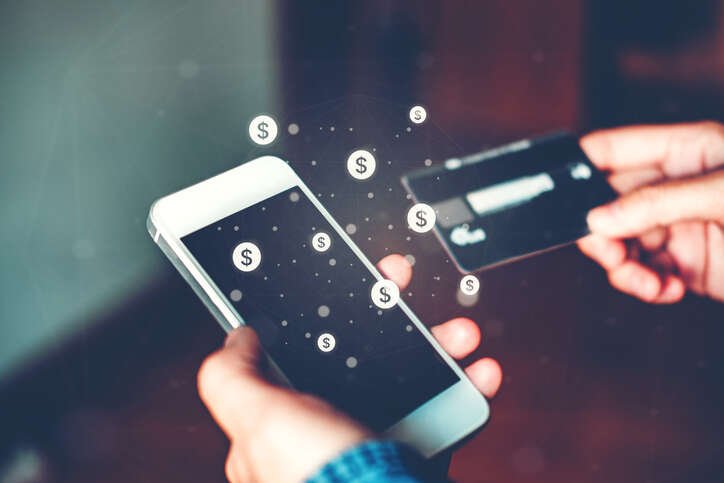
Published by Jessica Weisman-Pitts
Posted on August 11, 2023
4 min readLast updated: February 1, 2026
Add as preferred source on GoogleBy Tosin Enilorunda, CEO of Moniepoint – Africa’s largest Fintech
It has long been said that cash is king. After so much time unchallenged, its rule is under threat like never before due to the rise of alternative payment methods. These alternatives tend to share something in common: they are made possible through innovative digital technologies.
We can see the effect, globally, in the numbers regularly shopping online or using their smartphones to pay for items in person. This has only been turbocharged by the Covid-19 pandemic, as people were driven to use contactless payments.
The fundamentals of the financial world have pointed this way for a long time. There has been a clear and consistent decline in the use of physical currency over the last two decades, with the use of notes and coins falling by a third.
Meanwhile, the growth in digital payments has remained robust and resilient. The cumulative result was laid bare by a recent report from the World Bank, which estimated that as many as two in three adults now make or receive digital payments.
At the same time, big banks have continued over recent years to gradually shut local branches or reduce their hours of operation. Such decisions made it harder for people to access cash, especially in rural communities.
Money is going digital across the globe, with Africa at the centre of this phenomenon. As the Global System for Mobile Communications Association found, the continent is home to most of the global value of mobile money transactions —at $495 billion out of $767 billion.
I know this only too well having built Moniepoint into Africa’s largest fintech by transaction volume, now servicing over 600,000 businesses across the continent and beyond.
In these tough times, we used our cutting-edge technology such as point-of-sale terminals to help companies sustain their operations. Through digital payments, businesses have been able to count on smooth, secure and fast transactions.
Digital payments can level the playing field for small businesses and entrepreneurs by providing them with access to a fast, secure, and affordable payment system, helping them to grow their businesses and create jobs.
Of course, technology needs a robust banking infrastructure to be used successfully. We have found this for ourselves, taking measures to reduce processor failure disputes to very low daily levels, and reduce downtime by 60%.
Such work is technically demanding, but it is vital in order to maximise user confidence and facilitate business operations. By minimizing downtime, we ensure uninterrupted services, allowing people to get on with their lives and for entrepreneurs to do more of what they do best.
The future of digital payments is clearly positive. By 2025, over half of all payments around the world are expected to be made digitally. We need to be ready to make the most of the digital revolution as it continues to disrupt the way we live and work.
But there is still more to be done. We know cyber-criminals will continue trying to find weaknesses in digital banking infrastructure to exploit, which is why fintech firms like ours work overtime to ensure our systems have the highest security possible. We also know people still have limited internet access or ability to use a smartphone, so financial education and inclusion remains key.
Finally, it is important to remember that digital payments are not a one-size-fits-all solution. Different people and businesses have different needs, and there is no single payment method that will work for everyone. The key is to have a variety of payment options available so that people can choose the one that best suits their needs.
When many people are feeling the cash crunch around the world, we must be ready for a digital-first financial future. By grasping the benefits and challenges of these new alternative methods of payment, we can make sure everyone is better off.
Fintech refers to technology-driven innovations in the financial services sector, including mobile banking, online payment systems, and blockchain technology.
Digital payments are transactions made electronically, allowing consumers to pay for goods and services using digital methods such as credit cards, mobile wallets, or online banking.
Mobile money is a financial service that allows users to store, send, and receive money using their mobile devices, often without needing a traditional bank account.
Financial inclusion means providing access to financial services for all individuals, especially those underserved by traditional banking systems, enabling them to participate in the economy.
Contactless payments are transactions made by tapping a card or mobile device near a point-of-sale terminal, allowing for quick and convenient payments without physical contact.
Explore more articles in the Finance category
