Search
00
GBAF Logo
trophy
Top StoriesInterviewsBusinessFinanceBankingTechnologyInvestingTradingVideosAwardsMagazinesHeadlinesTrends

Subscribe to our newsletter

Get the latest news and updates from our team.

Global Banking & Finance Review®

Global Banking & Finance Review® - Subscribe to our newsletter

Company

    GBAF Logo
    • About Us
    • Profile
    • Privacy & Cookie Policy
    • Terms of Use
    • Contact Us
    • Advertising
    • Submit Post
    • Latest News
    • Research Reports
    • Press Release
    • Awards▾
      • About the Awards
      • Awards TimeTable
      • Submit Nominations
      • Testimonials
      • Media Room
      • Award Winners
      • FAQ
    • Magazines▾
      • Global Banking & Finance Review Magazine Issue 79
      • Global Banking & Finance Review Magazine Issue 78
      • Global Banking & Finance Review Magazine Issue 77
      • Global Banking & Finance Review Magazine Issue 76
      • Global Banking & Finance Review Magazine Issue 75
      • Global Banking & Finance Review Magazine Issue 73
      • Global Banking & Finance Review Magazine Issue 71
      • Global Banking & Finance Review Magazine Issue 70
      • Global Banking & Finance Review Magazine Issue 69
      • Global Banking & Finance Review Magazine Issue 66
    Top StoriesInterviewsBusinessFinanceBankingTechnologyInvestingTradingVideosAwardsMagazinesHeadlinesTrends

    Global Banking & Finance Review® is a leading financial portal and online magazine offering News, Analysis, Opinion, Reviews, Interviews & Videos from the world of Banking, Finance, Business, Trading, Technology, Investing, Brokerage, Foreign Exchange, Tax & Legal, Islamic Finance, Asset & Wealth Management.
    Copyright © 2010-2026 GBAF Publications Ltd - All Rights Reserved. | Sitemap | Tags | Developed By eCorpIT

    Editorial & Advertiser disclosure

    Global Banking & Finance Review® is an online platform offering news, analysis, and opinion on the latest trends, developments, and innovations in the banking and finance industry worldwide. The platform covers a diverse range of topics, including banking, insurance, investment, wealth management, fintech, and regulatory issues. The website publishes news, press releases, opinion and advertorials on various financial organizations, products and services which are commissioned from various Companies, Organizations, PR agencies, Bloggers etc. These commissioned articles are commercial in nature. This is not to be considered as financial advice and should be considered only for information purposes. It does not reflect the views or opinion of our website and is not to be considered an endorsement or a recommendation. We cannot guarantee the accuracy or applicability of any information provided with respect to your individual or personal circumstances. Please seek Professional advice from a qualified professional before making any financial decisions. We link to various third-party websites, affiliate sales networks, and to our advertising partners websites. When you view or click on certain links available on our articles, our partners may compensate us for displaying the content to you or make a purchase or fill a form. This will not incur any additional charges to you. To make things simpler for you to identity or distinguish advertised or sponsored articles or links, you may consider all articles or links hosted on our site as a commercial article placement. We will not be responsible for any loss you may suffer as a result of any omission or inaccuracy on the website.

    Home > Investing > Trading tantrum? Fed officials’ personal dealings stir controversy, call for change
    Investing

    Trading tantrum? Fed officials’ personal dealings stir controversy, call for change

    Published by maria gbaf

    Posted on September 13, 2021

    9 min read

    Last updated: January 21, 2026

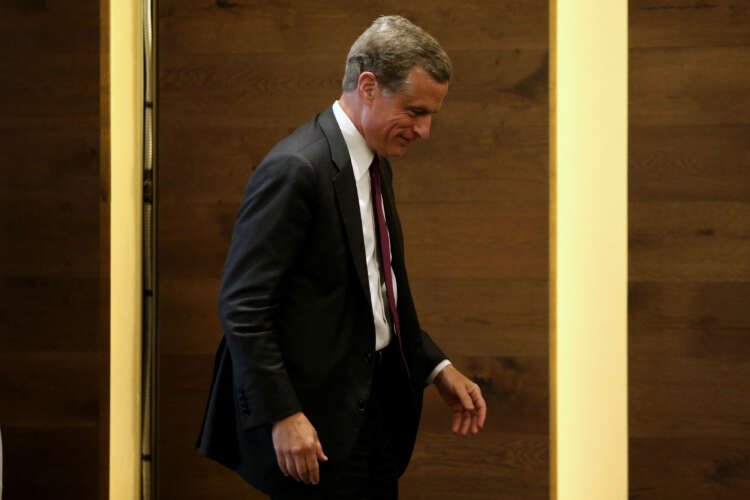
    Image depicting Federal Reserve Presidents Robert Kaplan and Eric Rosengren, who are involved in trading controversies. Their personal dealings have raised questions about ethics and conflicts of interest amidst economic recovery efforts.
    Federal Reserve officials Robert Kaplan and Eric Rosengren under scrutiny for trading - Global Banking & Finance Review
    Why waste money on news and opinion when you can access them for free?

    Take advantage of our newsletter subscription and stay informed on the go!

    Subscribe

    By Jonnelle Marte, Howard Schneider and Ann Saphir

    (Reuters) – Media reports this week that two of the Federal Reserve’s 12 regional bank presidents were active traders has some of the central bank’s most vocal critics questioning the rules that allowed them to engage in the transactions in the first place.

    Dallas Fed President Robert Kaplan and Boston Fed President Eric Rosengren made frequent or substantial trades in 2020, the Wall Street Journal and Bloomberg reported earlier this week. The trades occurred during a year in which the central bank took major actions to shore up the economy and swooning financial markets after they were broadsided by the coronavirus pandemic.

    While the trades were permitted under the Fed system’s ethics guidelines, their disclosure prompted some observers and a top lawmaker to flag possible conflicts of interest.

    “Forget about the individual trades,” said Benjamin Dulchin, director of the Fed Up Campaign at the Center for Popular Democracy, a group that advocates for the Fed to focus more on the needs of American workers. “The issue is that a president of a Fed bank – one of the handful of people who … set our country’s monetary policy – so clearly has his personal interests aligned with the success of our biggest corporations.”

    On Thursday, Kaplan and Rosengren said in separate statements that their trades complied with the Fed’s ethics rules. They also said they would change their investment practices to address “even the appearance of any conflict of interest” and sell all individual stock holdings by Sept. 30, moving the proceeds into cash or passively invested index funds. Both Kaplan and Rosengren said they would not trade on those accounts as long as they are serving as Fed presidents.

    The changes came after they both faced criticism for transactions made last year, dealings that were first reported by the Wall Street Journal https://www.wsj.com/articles/dallas-feds-robert-kaplan-was-active-buyer-and-seller-of-stocks-last-year-11631044094 this week. Each has since made his annual financial disclosures public.

    The documents showed that Kaplan, for instance, bought and sold at least $18 million in individual stocks in 2020, mostly tech stocks like Apple Inc and Amazon.com Inc and energy stocks such as Marathon Petroleum Corp. All of those transactions were reviewed by the Dallas Fed general counsel, said Dallas Fed spokesman James Hoard.

    Rosengren, who has publicly shared concerns about potential over-valuation risks in the commercial real estate sector, held stakes in four real estate investment trusts and made other investment trades, as highlighted by a Bloomberg https://www.bloomberg.com/news/articles/2021-09-08/fed-official-who-warned-on-real-estate-was-active-reit-trader?sref=HFh69AJb report.

    “Regrettably, the appearance of such permissible personal investment decisions has generated some questions, so I have made the decision to divest these assets to underscore my commitment to Fed ethics guidelines,” Rosengren said in a statement on Thursday.

    CALLS FOR GREATER OVERSIGHT

    Fed officials are subject to specific restrictions, such as not trading during the “blackout period” around each Fed meeting when policy-sensitive information is distributed, not holding stocks in banks or mutual funds concentrated in the financial sector, and not reselling securities within 30 days of purchase.

    But the Code of Conduct has broader language as well.

    “An employee should avoid any situation that might give rise to an actual conflict of interest or even the appearance of a conflict of interest,” the code states. Those with access to market-moving information “should avoid engaging in any financial transaction the timing of which could create the appearance of acting on inside information concerning Federal Reserve deliberations and actions.”

    The financial disclosures did not look strikingly different from prior years. But 2020 was a signature year for the Fed in which, by its own account, it crossed “red lines” to ensure financial markets continued to function. In a rapid-fire response to the then-unfolding pandemic, Fed policymakers in March 2020 slashed interest rates to near zero and rolled out programs meant to keep the markets for Treasury bonds, mortgage-backed securities and corporate bonds working smoothly.

    The Fed’s fast action was praised for helping to stave off a larger financial market collapse, an achievement Fed officials say helped to minimize the hit to the economy. But some criticized the Fed’s moves for helping to boost asset prices while not doing enough to support small businesses and households on Main Street.

    Some Fed-watchers say it may be time for the rules to be reviewed.

    “This is more evidence that the oversight of the Federal Reserve regional bank presidents is broken,” said Aaron Klein, a senior fellow at the Brookings Institution. “I don’t know if this is a failure to enforce the rules, or a failure of the rules.”

    U.S. Senator Elizabeth Warren, long one of Washington’s most vocal critics of the central bank’s approach to financial regulation, said Fed officials should not be allowed to trade.

    “I’ve said it before and will say it again: Members of Congress and senior government officials should not be allowed to trade or own stocks,” Warren posted on Twitter https://twitter.com/SenWarren/status/1436370981669462019 on Friday. “Period.”

    (Reporting by Jonnelle Marte in New York, Howard Schneider in Washington and Ann Saphir in Berkeley, Calif.; Editing by Dan Burns and Matthew Lewis)

    By Jonnelle Marte, Howard Schneider and Ann Saphir

    (Reuters) – Media reports this week that two of the Federal Reserve’s 12 regional bank presidents were active traders has some of the central bank’s most vocal critics questioning the rules that allowed them to engage in the transactions in the first place.

    Dallas Fed President Robert Kaplan and Boston Fed President Eric Rosengren made frequent or substantial trades in 2020, the Wall Street Journal and Bloomberg reported earlier this week. The trades occurred during a year in which the central bank took major actions to shore up the economy and swooning financial markets after they were broadsided by the coronavirus pandemic.

    While the trades were permitted under the Fed system’s ethics guidelines, their disclosure prompted some observers and a top lawmaker to flag possible conflicts of interest.

    “Forget about the individual trades,” said Benjamin Dulchin, director of the Fed Up Campaign at the Center for Popular Democracy, a group that advocates for the Fed to focus more on the needs of American workers. “The issue is that a president of a Fed bank – one of the handful of people who … set our country’s monetary policy – so clearly has his personal interests aligned with the success of our biggest corporations.”

    On Thursday, Kaplan and Rosengren said in separate statements that their trades complied with the Fed’s ethics rules. They also said they would change their investment practices to address “even the appearance of any conflict of interest” and sell all individual stock holdings by Sept. 30, moving the proceeds into cash or passively invested index funds. Both Kaplan and Rosengren said they would not trade on those accounts as long as they are serving as Fed presidents.

    The changes came after they both faced criticism for transactions made last year, dealings that were first reported by the Wall Street Journal https://www.wsj.com/articles/dallas-feds-robert-kaplan-was-active-buyer-and-seller-of-stocks-last-year-11631044094 this week. Each has since made his annual financial disclosures public.

    The documents showed that Kaplan, for instance, bought and sold at least $18 million in individual stocks in 2020, mostly tech stocks like Apple Inc and Amazon.com Inc and energy stocks such as Marathon Petroleum Corp. All of those transactions were reviewed by the Dallas Fed general counsel, said Dallas Fed spokesman James Hoard.

    Rosengren, who has publicly shared concerns about potential over-valuation risks in the commercial real estate sector, held stakes in four real estate investment trusts and made other investment trades, as highlighted by a Bloomberg https://www.bloomberg.com/news/articles/2021-09-08/fed-official-who-warned-on-real-estate-was-active-reit-trader?sref=HFh69AJb report.

    “Regrettably, the appearance of such permissible personal investment decisions has generated some questions, so I have made the decision to divest these assets to underscore my commitment to Fed ethics guidelines,” Rosengren said in a statement on Thursday.

    CALLS FOR GREATER OVERSIGHT

    Fed officials are subject to specific restrictions, such as not trading during the “blackout period” around each Fed meeting when policy-sensitive information is distributed, not holding stocks in banks or mutual funds concentrated in the financial sector, and not reselling securities within 30 days of purchase.

    But the Code of Conduct has broader language as well.

    “An employee should avoid any situation that might give rise to an actual conflict of interest or even the appearance of a conflict of interest,” the code states. Those with access to market-moving information “should avoid engaging in any financial transaction the timing of which could create the appearance of acting on inside information concerning Federal Reserve deliberations and actions.”

    The financial disclosures did not look strikingly different from prior years. But 2020 was a signature year for the Fed in which, by its own account, it crossed “red lines” to ensure financial markets continued to function. In a rapid-fire response to the then-unfolding pandemic, Fed policymakers in March 2020 slashed interest rates to near zero and rolled out programs meant to keep the markets for Treasury bonds, mortgage-backed securities and corporate bonds working smoothly.

    The Fed’s fast action was praised for helping to stave off a larger financial market collapse, an achievement Fed officials say helped to minimize the hit to the economy. But some criticized the Fed’s moves for helping to boost asset prices while not doing enough to support small businesses and households on Main Street.

    Some Fed-watchers say it may be time for the rules to be reviewed.

    “This is more evidence that the oversight of the Federal Reserve regional bank presidents is broken,” said Aaron Klein, a senior fellow at the Brookings Institution. “I don’t know if this is a failure to enforce the rules, or a failure of the rules.”

    U.S. Senator Elizabeth Warren, long one of Washington’s most vocal critics of the central bank’s approach to financial regulation, said Fed officials should not be allowed to trade.

    “I’ve said it before and will say it again: Members of Congress and senior government officials should not be allowed to trade or own stocks,” Warren posted on Twitter https://twitter.com/SenWarren/status/1436370981669462019 on Friday. “Period.”

    (Reporting by Jonnelle Marte in New York, Howard Schneider in Washington and Ann Saphir in Berkeley, Calif.; Editing by Dan Burns and Matthew Lewis)

    More from Investing

    Explore more articles in the Investing category

    Image for Understanding the Factors Shaping Bitcoin’s Current Market Conditions
    Understanding the Factors Shaping Bitcoin’s Current Market Conditions
    Image for Understanding Investment Management Consulting Services in the U.S. Market
    Understanding Investment Management Consulting Services in the U.S. Market
    Image for The Role of DST Sponsors and Service Providers in Delaware Statutory Trusts
    The Role of DST Sponsors and Service Providers in Delaware Statutory Trusts
    Image for Understanding Self-Directed IRA Structures and Platform Models
    Understanding Self-Directed IRA Structures and Platform Models
    Image for 1031 Exchanges and Delaware Statutory Trusts: What Investors Need to Know
    1031 Exchanges and Delaware Statutory Trusts: What Investors Need to Know
    Image for Excellence in Innovation – Strategic Investment & Economic Transformation Egypt 2025
    Excellence in Innovation – Strategic Investment & Economic Transformation Egypt 2025
    Image for What Is the Average Pension Pot in the UK? (By Age)
    What Is the Average Pension Pot in the UK? (By Age)
    Image for From Money Printing to Market Surge: The Macro Forces Driving Crypto in 2026
    From Money Printing to Market Surge: The Macro Forces Driving Crypto in 2026
    Image for  Millennials Aren’t Ignoring Retirement. They’re Rebuilding It.
    Millennials Aren’t Ignoring Retirement. They’re Rebuilding It.
    Image for BridgeWise Launches FixedWise, the First AI Solution Bringing Granular Bond Intelligence to the European Market
    BridgeWise Launches FixedWise, the First AI Solution Bringing Granular Bond Intelligence to the European Market
    Image for Why Financial Advisors Are Rethinking Gold Allocations
    Why Financial Advisors Are Rethinking Gold Allocations
    Image for From Opaque to Investable: Yaniv Bertele's Blueprint for Transparent Alternatives
    From Opaque to Investable: Yaniv Bertele's Blueprint for Transparent Alternatives
    View All Investing Posts
    Previous Investing PostEU debt reduction pace must not hurt growth, green investment exemption an option
    Next Investing PostOil rallies to $73 on tight U.S. supplies, Biden-Xi call