Investing
Retro Bikes and Insurance: What You Should Know?
Published by Wanda Rich
Posted on October 27, 2025
5 min readLast updated: January 19, 2026
Add as preferred source on Google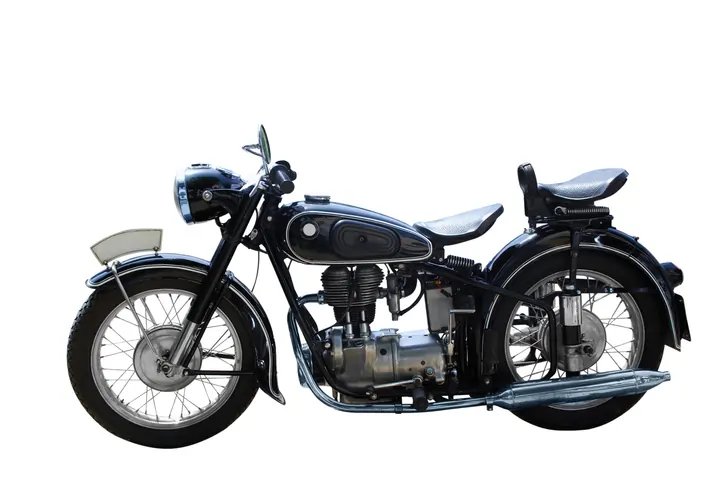
Published by Wanda Rich
Posted on October 27, 2025
5 min readLast updated: January 19, 2026
Add as preferred source on GoogleClassic bikes have a magic about them. Whether it's the Royal Enfield Bullet's thump or the Jawa 42's classic shapes, old bikes are more than just tools; they're moving memories. These two-wheelers are popular with both experienced riders and younger people who want to look cool and real.
Classic bikes have a magic about them. Whether it's the Royal Enfield Bullet's thump or the Jawa 42's classic shapes, old bikes are more than just tools; they're moving memories. These two-wheelers are popular with both experienced riders and younger people who want to look cool and real.
But having an old or vintage-style motorbike isn't just a way to go back in time. Maintaining it, following the law, and getting bike insurance with HDFC ERGO all require a special method. It doesn't matter if your retro bike is a repaired classic or a new bike with a vintage look; you need to know how to protect it.
Let's talk about what makes a bike "retro" before we get into care and safety. Most of the time, retro bikes fall into these groups:
With the proper care, your old bike will keep running like new. Here are some essential habits:
Regular Engine Checks:
Electrical System and Wiring:
Brake and Tyre Inspection:
Rust Prevention:
Carburettor and Air Filter Cleaning:
A well-kept retro motorbike's long-term repair costs are lower, and comprehensive bike insurance claims are easier to make.
Retro or custom-modified bikes often have a more confusing ownership history than current bikes.Keep an eye on these things:
You might think that a bike that looks old has smaller rates because it's not a fast machine. That doesn't always happen.
Premium Factors Include:
Many people who own old bikes aren't sure if third-party insurance is enough. Most of the time, the answer is no.
Full coverage bike insurance includes:
It is possible to keep your insurance costs low while still covering all risks. How to do it:
Before choosing the right policy, it's helpful to look at how the insurance needs and risks for old and new bikes are different. Here's how it works:
| Feature | Retro Bike | Modern Bike |
| Parts Availability | Limited | Easily available |
| Theft Risk | Higher (collector interest) | Moderate |
| Market Valuation | Subjective and variable | Standard market value |
| Insurability of Modifications | Needs RTO approval | Usually factory stock |
| Premium Rates | May be higher based on age/rarity | Often standardised |
| Best Fit Insurance Type | Comprehensive insurance | Third-party or comprehensive |
Having a retro bike is a deeply felt desire. It shows you have character, a family history, and a way of life that values the old-school spirit. But preparation must come before emotion. All the little things matter, like how often you do repairs, how well you handle paperwork, and how you choose the right comprehensive bike insurance policy.
Not all the time. It's essential to let the insurance company know about any aftermarket changes and get permission from the RTO. Otherwise, the insurance might not pay for damage to these parts.
Yes, but you'll need to show proof that you own the bike and a current Fitness Certificate and Pollution Certificate. Before giving you insurance, some companies may ask for a recent valuation certificate.
No, basic or comprehensive insurance doesn't cover stunts, racing, or things that happen off-road. Unless you have specific coverage for motorsports, these are "exclusions."
Disclaimer: The above information is for illustrative purposes only. For more details, please refer to the policy wordings and prospectus before concluding the sales.
Motorcycle insurance is a type of insurance policy that provides financial protection against accidents, theft, and damage related to motorcycle ownership.
A registration certificate (RC) is an official document that proves a vehicle is registered with the relevant transport authority and includes ownership details.
A pollution certificate is a document that certifies a vehicle meets environmental standards regarding emissions and is required for vehicles over 15 years old.
Comprehensive insurance is a type of insurance policy that covers damages to your motorcycle from accidents, theft, vandalism, and natural disasters.
A no-claim bonus (NCB) is a discount offered by insurers for each year a policyholder does not make a claim, reducing future premiums.
Explore more articles in the Investing category