Investing
Philanthropic Giving Plays Central Role in Comprehensive Wealth Management Approach
Published by Jessica Weisman-Pitts
Posted on September 7, 2023
3 min readLast updated: January 31, 2026

Published by Jessica Weisman-Pitts
Posted on September 7, 2023
3 min readLast updated: January 31, 2026
A look at potential giving vehicles for individuals
A look at potential giving vehicles for individuals
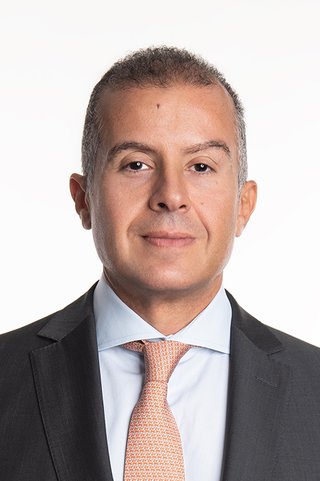
By Kevin McGrath
In 2021, the Giving USA Foundation released its latest findings surrounding philanthropic contributions. Clearly illustrating that individuals are still the largest source of contributions, the report’s findings indicated that individuals gave more than $326.87 billion – more than foundations, bequests and corporations combined. That translates into not only large amounts of individually-driven impacts around the world, but it also illustrates just how vital it is to employ a comprehensive wealth management approach that makes much of that large-scale giving possible in the first place.
Regardless of whether a wealth management plan involves millions of dollars or not, individuals may often fail to see that philanthropic giving is a notable piece of overall wealth management, serving a key role in making sure that long-term aspirations are reached. It’s important that donors employ the best giving vehicle that fits their individual situation and goals.
Donor-advised funds (DAFs) have emerged as one of the most recently preferred charitable giving options, as a DAF allows individuals to deposit funds into an account that can appreciate in value and eventually be granted to charitable causes important to the donor. It leads to an immediate charitable deduction for the contribution and avoids capital gains taxes on appreciated assets.
In exchange for their irrevocable gift, donors gain advisory privileges that enable them to propose grants to qualified charitable organizations and offer guidance on how the gifted funds should be invested and ultimately distributed – a highly welcomed role among today’s donors. Moreover, donors can contribute various types of assets, such as cash, securities, real estate, business equity, restricted stock, and even cryptocurrencies.
Here’s a look at additional options commonly seen in today’s philanthropic ecosystem:
Regardless of the giving vehicle selected, the overall role of philanthropic giving in wealth management is to serve as one of the key pillars of a clear-cut plan to reach customized goals for the individual or their family.
Kevin McGrath currently serves as senior director at Ren (www.reninc.com), the trusted technology partner to top financial institutions and those of non-profit organizations.
A donor-advised fund (DAF) is a charitable giving vehicle that allows individuals to make a charitable contribution, receive an immediate tax deduction, and recommend grants from the fund over time.
A private foundation is a non-profit organization that typically receives its funding from a single source, such as an individual or family, and is dedicated to charitable activities.
A charitable remainder trust is a type of trust that provides income to the donor for a specified period, after which the remaining assets are donated to a charity.
A pooled income fund is a charitable trust that combines contributions from multiple donors to generate income for beneficiaries and eventually distribute funds to charitable organizations.
A charitable lead trust is a trust that provides income to a charity for a specified term, after which the remaining assets are returned to the donor or their heirs.
Explore more articles in the Investing category