Search
00
GBAF Logo
trophy
Top StoriesInterviewsBusinessFinanceBankingTechnologyInvestingTradingVideosAwardsMagazinesHeadlinesTrends

Subscribe to our newsletter

Get the latest news and updates from our team.

Global Banking and Finance Review

Global Banking & Finance Review

Company

    GBAF Logo
    • About Us
    • Profile
    • Privacy & Cookie Policy
    • Terms of Use
    • Contact Us
    • Advertising
    • Submit Post
    • Latest News
    • Research Reports
    • Press Release
    • Awards▾
      • About the Awards
      • Awards TimeTable
      • Submit Nominations
      • Testimonials
      • Media Room
      • Award Winners
      • FAQ
    • Magazines▾
      • Global Banking & Finance Review Magazine Issue 79
      • Global Banking & Finance Review Magazine Issue 78
      • Global Banking & Finance Review Magazine Issue 77
      • Global Banking & Finance Review Magazine Issue 76
      • Global Banking & Finance Review Magazine Issue 75
      • Global Banking & Finance Review Magazine Issue 73
      • Global Banking & Finance Review Magazine Issue 71
      • Global Banking & Finance Review Magazine Issue 70
      • Global Banking & Finance Review Magazine Issue 69
      • Global Banking & Finance Review Magazine Issue 66
    Top StoriesInterviewsBusinessFinanceBankingTechnologyInvestingTradingVideosAwardsMagazinesHeadlinesTrends

    Global Banking & Finance Review® is a leading financial portal and online magazine offering News, Analysis, Opinion, Reviews, Interviews & Videos from the world of Banking, Finance, Business, Trading, Technology, Investing, Brokerage, Foreign Exchange, Tax & Legal, Islamic Finance, Asset & Wealth Management.
    Copyright © 2010-2025 GBAF Publications Ltd - All Rights Reserved.

    Editorial & Advertiser disclosure

    Global Banking and Finance Review is an online platform offering news, analysis, and opinion on the latest trends, developments, and innovations in the banking and finance industry worldwide. The platform covers a diverse range of topics, including banking, insurance, investment, wealth management, fintech, and regulatory issues. The website publishes news, press releases, opinion and advertorials on various financial organizations, products and services which are commissioned from various Companies, Organizations, PR agencies, Bloggers etc. These commissioned articles are commercial in nature. This is not to be considered as financial advice and should be considered only for information purposes. It does not reflect the views or opinion of our website and is not to be considered an endorsement or a recommendation. We cannot guarantee the accuracy or applicability of any information provided with respect to your individual or personal circumstances. Please seek Professional advice from a qualified professional before making any financial decisions. We link to various third-party websites, affiliate sales networks, and to our advertising partners websites. When you view or click on certain links available on our articles, our partners may compensate us for displaying the content to you or make a purchase or fill a form. This will not incur any additional charges to you. To make things simpler for you to identity or distinguish advertised or sponsored articles or links, you may consider all articles or links hosted on our site as a commercial article placement. We will not be responsible for any loss you may suffer as a result of any omission or inaccuracy on the website.

    Home > Investing > Is it time for African private equity to take a bold evolutionary step forward?
    Investing

    Is it time for African private equity to take a bold evolutionary step forward?

    Is it time for African private equity to take a bold evolutionary step forward?

    Published by Jessica Weisman-Pitts

    Posted on August 10, 2023

    Featured image for article about Investing

    Is it time for African private equity to take a bold evolutionary step forward?

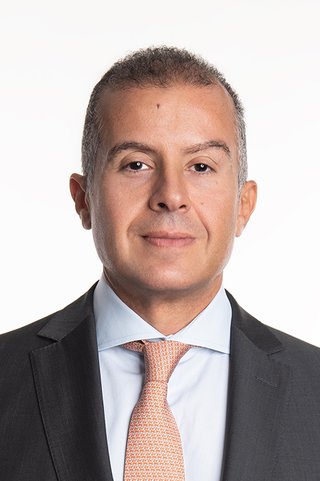
    By Bryan Turner, Partner, Spear Capital

    In some respects, things have never been better when it comes to private equity in Africa. Despite global economic headwinds, for example, some US$7.6 billion was invested across 626 deals in 2022 (versus US$7.4 billion over 429 deals in 2021, a year in which interest rates were still low and investors could borrow money for practically nothing). It’s also true that there were 82 exits, compared with 36 in 2021.

    That’s 82 companies where investors saw the potential for growth and helped build them to the point where they were ready for an exit. These stats not only show increased investment in Africa but that the investments made are paying off at an increasing rate. In theory, those numbers should keep growing, helping build better business and investment environments around the continent.

    The thing is, for all the good that private equity has done on the African continent, I can’t help but feel that we could do better. More specifically, I think it’s time for the sector to take its next branch into a full investment proposition for global investors.

    Finding room for improvement

    Before digging into what that step forward might look like, it’s worth taking a look at where the areas for improvement lie.

    One of the biggest issues in the sector is vintage bias, where investments made in certain years benefit or struggle due market forces outside of their control. In an African context, this bias can be acute due to the more pronounced and volatile cycles. While the megatrends that make Africa a viable investment destination remain valid (a young, growing population with increasing levels of education and connectivity), those uncertainties can make timing an investment’s entry and exit difficult.

    In combination with other factors, such as the limited number of players in the African private equity market, this bias means that companies struggle to attract investors and valuations decrease. That, in turn, creates a vicious cycle where companies don’t achieve the valuations they should, disincentivising investors from taking chances on companies. Not only do they miss out on investments because of the bias, but the lower valuations further reduce an investor’s ability to exit investments. As a result, forced exits at suboptimal valuations become increasingly common.

    Africa’s smaller investor base and narrower investment vehicles also means fewer buyers and sellers. What buyers and sellers there are remain constrained, especially when it comes to buyout alternatives. Ultimately, this smaller secondary market means that the private equity environment is not able to operate to its full potential.

    Time for new thinking

    Knowing that, it’s important that investors in African companies start to think a little differently.

    One solution that could work is if several players come together to launch a continuation fund (or a number of them). Typically, continuation funds involve a private equity investor moving a portfolio company from an existing fund into a new special-purpose vehicle. Investors can then roll their stakes in a company into the continuation fund or receive cash for their stakes from other investors.

    Such funds offer a number of advantages, including greater time and flexibility. Continuation funds extend the lifespan of investments, which allows greater time for companies to achieve their growth objectives. By giving more time, they allow the potential for higher valuations and better returns. It also means that the original investors can keep investing in more companies rather than desperately seeking out exits in potentially difficult markets.

    There may be even more potential if there were continuation funds for different sectors, headed up by experts in those sectors. So, for example, a private equity investor could build up a retailer to the point where it’s ready to go into a dedicated retail continuation fund. The same could potentially be true for players in a number of sectors, including manufacturing, ecommerce, or logistics.

    A further extension of this concept could be in the tenor of these funds, from a handful of years to realise value and exit to permanent capital vehicles.

    Given enough time and support, how many more exits would we start to see? More importantly, how many more big exits would we see?

    Building a lasting legacy

    Make no mistake, I don’t think private equity companies are doing a poor job in Africa. I’ve seen too many companies in our own and other portfolios thrive as a result of investment to think that. But I’ve also been around long enough to know that if players across the sector are really interested in building a lasting legacy on the continent, then it can’t be business as usual.

    Instead, we need to start thinking about new ways of doing things with the aim of producing more and bigger exits, and more importantly more significant and sustainable African success stories, that advance Africa’s overall business environment.

    Related Posts
     Millennials Aren’t Ignoring Retirement. They’re Rebuilding It.
    Millennials Aren’t Ignoring Retirement. They’re Rebuilding It.
    BridgeWise Launches FixedWise, the First AI Solution Bringing Granular Bond Intelligence to the European Market
    BridgeWise Launches FixedWise, the First AI Solution Bringing Granular Bond Intelligence to the European Market
    Why Financial Advisors Are Rethinking Gold Allocations
    Why Financial Advisors Are Rethinking Gold Allocations
    From Opaque to Investable: Yaniv Bertele's Blueprint for Transparent Alternatives
    From Opaque to Investable: Yaniv Bertele's Blueprint for Transparent Alternatives
    Private Equity Needs AI Advocates
    Private Equity Needs AI Advocates
    Understanding the Global Impact of Rising Medical Insurance Premiums on the Middle Class
    Understanding the Global Impact of Rising Medical Insurance Premiums on the Middle Class
    The New Model Driving Creative Investment in University Innovation
    The New Model Driving Creative Investment in University Innovation
    The return of tangible assets in modern portfolios
    The return of tangible assets in modern portfolios
    Retro Bikes And Insurance: What You Should Know?
    Retro Bikes And Insurance: What You Should Know?
    Top Stocks Powering the AI Boom in 2025
    Top Stocks Powering the AI Boom in 2025
    How often should you update your estate plan? The events that demand a refresh
    How often should you update your estate plan? The events that demand a refresh
    Top 5 Mutual Funds in the UAE: Performance, Features, and How to Invest
    Top 5 Mutual Funds in the UAE: Performance, Features, and How to Invest

    Why waste money on news and opinions when you can access them for free?

    Take advantage of our newsletter subscription and stay informed on the go!

    Subscribe

    More from Investing

    Explore more articles in the Investing category

    How One Investor Learned to Find Value Through a Wider Lens

    How One Investor Learned to Find Value Through a Wider Lens

    Freedom Holding Corp’s Global Rise: Why Institutional Investors Are Betting Big

    Freedom Holding Corp’s Global Rise: Why Institutional Investors Are Betting Big

    Pro Visionary Helps Australians Strengthen Their Financial Resilience Through Licensed Wealth Strategies

    Pro Visionary Helps Australians Strengthen Their Financial Resilience Through Licensed Wealth Strategies

    How ZenInvestor Is Breaking Down Barriers to Financial Literacy and Empowering Everyday Investors Nationwide

    How ZenInvestor Is Breaking Down Barriers to Financial Literacy and Empowering Everyday Investors Nationwide

    Edward L. Shugrue III on Returning to the Office: A Cultural Shift and Investment Opportunity

    Edward L. Shugrue III on Returning to the Office: A Cultural Shift and Investment Opportunity

    How Private Capital Can Build Public Good

    How Private Capital Can Build Public Good

    Private Equity Has a Major Speed and Capacity Problem

    Private Equity Has a Major Speed and Capacity Problem

    Navigating AI Investing Tools: Wealth Management Disruption Ahead

    Navigating AI Investing Tools: Wealth Management Disruption Ahead

    MTF Trading Explained: What It Is, How It Works, and Key Benefits

    MTF Trading Explained: What It Is, How It Works, and Key Benefits

    Private Equity Has Trust Issues With AI

    Private Equity Has Trust Issues With AI

    Merifund Capital Management on FTSE 100 Gains

    Merifund Capital Management on FTSE 100 Gains

    Sycamine Capital Management sets outlook on Japan equities

    Sycamine Capital Management sets outlook on Japan equities

    View All Investing Posts
    Previous Investing PostWall St and oil dive as investors fret over rates, China
    Next Investing PostInvest For Independence: The Key to a Brighter Financial Future for Beginners