Search
00
GBAF Logo
trophy
Top StoriesInterviewsBusinessFinanceBankingTechnologyInvestingTradingVideosAwardsMagazinesHeadlinesTrends

Subscribe to our newsletter

Get the latest news and updates from our team.

Global Banking and Finance Review

Global Banking & Finance Review

Company

    GBAF Logo
    • About Us
    • Profile
    • Privacy & Cookie Policy
    • Terms of Use
    • Contact Us
    • Advertising
    • Submit Post
    • Latest News
    • Research Reports
    • Press Release
    • Awards▾
      • About the Awards
      • Awards TimeTable
      • Submit Nominations
      • Testimonials
      • Media Room
      • Award Winners
      • FAQ
    • Magazines▾
      • Global Banking & Finance Review Magazine Issue 79
      • Global Banking & Finance Review Magazine Issue 78
      • Global Banking & Finance Review Magazine Issue 77
      • Global Banking & Finance Review Magazine Issue 76
      • Global Banking & Finance Review Magazine Issue 75
      • Global Banking & Finance Review Magazine Issue 73
      • Global Banking & Finance Review Magazine Issue 71
      • Global Banking & Finance Review Magazine Issue 70
      • Global Banking & Finance Review Magazine Issue 69
      • Global Banking & Finance Review Magazine Issue 66
    Top StoriesInterviewsBusinessFinanceBankingTechnologyInvestingTradingVideosAwardsMagazinesHeadlinesTrends

    Global Banking & Finance Review® is a leading financial portal and online magazine offering News, Analysis, Opinion, Reviews, Interviews & Videos from the world of Banking, Finance, Business, Trading, Technology, Investing, Brokerage, Foreign Exchange, Tax & Legal, Islamic Finance, Asset & Wealth Management.
    Copyright © 2010-2025 GBAF Publications Ltd - All Rights Reserved.

    ;
    Editorial & Advertiser disclosure

    Global Banking and Finance Review is an online platform offering news, analysis, and opinion on the latest trends, developments, and innovations in the banking and finance industry worldwide. The platform covers a diverse range of topics, including banking, insurance, investment, wealth management, fintech, and regulatory issues. The website publishes news, press releases, opinion and advertorials on various financial organizations, products and services which are commissioned from various Companies, Organizations, PR agencies, Bloggers etc. These commissioned articles are commercial in nature. This is not to be considered as financial advice and should be considered only for information purposes. It does not reflect the views or opinion of our website and is not to be considered an endorsement or a recommendation. We cannot guarantee the accuracy or applicability of any information provided with respect to your individual or personal circumstances. Please seek Professional advice from a qualified professional before making any financial decisions. We link to various third-party websites, affiliate sales networks, and to our advertising partners websites. When you view or click on certain links available on our articles, our partners may compensate us for displaying the content to you or make a purchase or fill a form. This will not incur any additional charges to you. To make things simpler for you to identity or distinguish advertised or sponsored articles or links, you may consider all articles or links hosted on our site as a commercial article placement. We will not be responsible for any loss you may suffer as a result of any omission or inaccuracy on the website.

    Home > Investing > Investor group sets tough climate blueprint for Big Oil
    Investing

    Investor group sets tough climate blueprint for Big Oil

    Investor group sets tough climate blueprint for Big Oil

    Published by maria gbaf

    Posted on September 16, 2021

    Featured image for article about Investing

    By Ron Bousso and Simon Jessop

    LONDON (Reuters) – Investors managing more than $10 trillion on Wednesday published an ambitious blueprint for energy companies seeking to tackle climate change, including sharp cuts to greenhouse gas emissions and a winding down of oil and gas production.

    The unprecedented initiative – dubbed the Net Zero Standard for Oil and Gas – details 10 required standards to help money managers compare companies’ strategies and understand whether they are aligned with United Nations-backed efforts to reduce global carbon emissions to net zero by 2050.

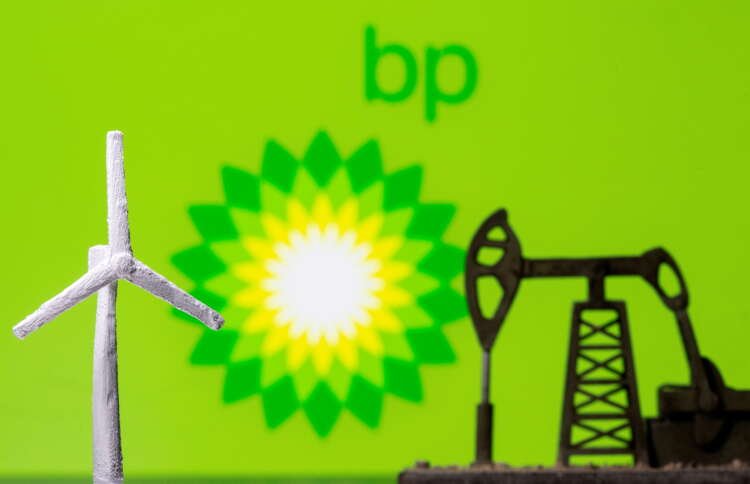
    Oil and gas companies such as BP and Royal Dutch Shell have published targets and strategies aimed at battling climate change, but the huge variation in scope, definitions and ambition makes analysis and comparison exceedingly difficult for investors.

    At the same time, pressure has grown on portfolio managers and banks to ensure that their investments chime with the 2015 Paris accords to limit global warming to no more than 2 degrees Celsius above pre-industrial levels.

    With the next round of global climate talks taking place in November, concern is growing that too many plans are flaky and unlikely to provide material help by reducing absolute emissions at the rate needed to limit global warming.

    “We need to have a level playing field now on disclosure because it’s not possible to compare and contrast across the sector,” said Adam Matthews, who is head of responsible investment at the Church of England Pensions Board and chaired the investor-company process to develop the new initiative.

    Other investors to back the plan include Amundi, Europe’s biggest asset manager, along with Britain’s Legal & General Investment Management, HSBC Global Asset Management and France-based Caisse des Depots among others.

    Given the fossil fuel industry is responsible for the lion’s share of global emissions, the investor group said it is introducing a minimum set of standards to ensure that energy companies’ plans are “credible”.

    NET ZERO TARGETS

    Among these is a requirement to reach net zero carbon emissions by 2050, meeting emissions-reduction targets along the way while aligning capital expenditure and production plans with the net zero target.

    The standards also demand commitments to disclose and independently verify strategies.

    Shell, Italian company Eni and Norway’s Equinor have all set targets to become net zero emissions by 2050, meaning that any emissions they produce will be offset by carbon capture technologies or other solutions, such as reforestation.

    Other companies, including BP and TotalEnergies, aim to reduce emissions from part of their operations to net zero by 2025.

    The investor group behind the new plan acknowledges that winding down oil and gas production “can be a very legitimate strategy”, Matthews said.

    Although it has not set a deadline for companies to adhere to the standards, investors are willing to vote against transition plans and the appointment of certain directors if they feel company boards are not doing enough, Matthews said.

    The new standard will be piloted by leading energy companies including BP, Shell, Eni, Repsol and TotalEnergies ahead of wider adoption by the sector, the investor group said.

    Shell said in a statement that it was pleased to take part in the pilot and that “establishing a standard approach that allows investors to fairly assess companies’ progress would be a valuable development.”

    This group said its plan had been developed by the Institutional Investors Group on Climate Change with support from the Transition Pathway Initiative and in consultation with Climate Action 100+, non-governmental organisations with specific expertise in the sector as well as oil and gas companies themselves.

    For a factbox on Big Oil’s climate targets, click

    (This story corrects investor in paragraph 7)

    (Reporting by Ron Bousso and Simon Jessop; editing by David Goodman)

    By Ron Bousso and Simon Jessop

    LONDON (Reuters) – Investors managing more than $10 trillion on Wednesday published an ambitious blueprint for energy companies seeking to tackle climate change, including sharp cuts to greenhouse gas emissions and a winding down of oil and gas production.

    The unprecedented initiative – dubbed the Net Zero Standard for Oil and Gas – details 10 required standards to help money managers compare companies’ strategies and understand whether they are aligned with United Nations-backed efforts to reduce global carbon emissions to net zero by 2050.

    Oil and gas companies such as BP and Royal Dutch Shell have published targets and strategies aimed at battling climate change, but the huge variation in scope, definitions and ambition makes analysis and comparison exceedingly difficult for investors.

    At the same time, pressure has grown on portfolio managers and banks to ensure that their investments chime with the 2015 Paris accords to limit global warming to no more than 2 degrees Celsius above pre-industrial levels.

    With the next round of global climate talks taking place in November, concern is growing that too many plans are flaky and unlikely to provide material help by reducing absolute emissions at the rate needed to limit global warming.

    “We need to have a level playing field now on disclosure because it’s not possible to compare and contrast across the sector,” said Adam Matthews, who is head of responsible investment at the Church of England Pensions Board and chaired the investor-company process to develop the new initiative.

    Other investors to back the plan include Amundi, Europe’s biggest asset manager, along with Britain’s Legal & General Investment Management, HSBC Global Asset Management and France-based Caisse des Depots among others.

    Given the fossil fuel industry is responsible for the lion’s share of global emissions, the investor group said it is introducing a minimum set of standards to ensure that energy companies’ plans are “credible”.

    NET ZERO TARGETS

    Among these is a requirement to reach net zero carbon emissions by 2050, meeting emissions-reduction targets along the way while aligning capital expenditure and production plans with the net zero target.

    The standards also demand commitments to disclose and independently verify strategies.

    Shell, Italian company Eni and Norway’s Equinor have all set targets to become net zero emissions by 2050, meaning that any emissions they produce will be offset by carbon capture technologies or other solutions, such as reforestation.

    Other companies, including BP and TotalEnergies, aim to reduce emissions from part of their operations to net zero by 2025.

    The investor group behind the new plan acknowledges that winding down oil and gas production “can be a very legitimate strategy”, Matthews said.

    Although it has not set a deadline for companies to adhere to the standards, investors are willing to vote against transition plans and the appointment of certain directors if they feel company boards are not doing enough, Matthews said.

    The new standard will be piloted by leading energy companies including BP, Shell, Eni, Repsol and TotalEnergies ahead of wider adoption by the sector, the investor group said.

    Shell said in a statement that it was pleased to take part in the pilot and that “establishing a standard approach that allows investors to fairly assess companies’ progress would be a valuable development.”

    This group said its plan had been developed by the Institutional Investors Group on Climate Change with support from the Transition Pathway Initiative and in consultation with Climate Action 100+, non-governmental organisations with specific expertise in the sector as well as oil and gas companies themselves.

    For a factbox on Big Oil’s climate targets, click

    (This story corrects investor in paragraph 7)

    (Reporting by Ron Bousso and Simon Jessop; editing by David Goodman)

    Related Posts
    Why Financial Advisors Are Rethinking Gold Allocations
    Why Financial Advisors Are Rethinking Gold Allocations
    From Opaque to Investable: Yaniv Bertele's Blueprint for Transparent Alternatives
    From Opaque to Investable: Yaniv Bertele's Blueprint for Transparent Alternatives
    Private Equity Needs AI Advocates
    Private Equity Needs AI Advocates
    Understanding the Global Impact of Rising Medical Insurance Premiums on the Middle Class
    Understanding the Global Impact of Rising Medical Insurance Premiums on the Middle Class
    The New Model Driving Creative Investment in University Innovation
    The New Model Driving Creative Investment in University Innovation
    The return of tangible assets in modern portfolios
    The return of tangible assets in modern portfolios
    Retro Bikes And Insurance: What You Should Know?
    Retro Bikes And Insurance: What You Should Know?
    Top Stocks Powering the AI Boom in 2025
    Top Stocks Powering the AI Boom in 2025
    How often should you update your estate plan? The events that demand a refresh
    How often should you update your estate plan? The events that demand a refresh
    Top 5 Mutual Funds in the UAE: Performance, Features, and How to Invest
    Top 5 Mutual Funds in the UAE: Performance, Features, and How to Invest
    How One Investor Learned to Find Value Through a Wider Lens
    How One Investor Learned to Find Value Through a Wider Lens
    Freedom Holding Corp’s Global Rise: Why Institutional Investors Are Betting Big
    Freedom Holding Corp’s Global Rise: Why Institutional Investors Are Betting Big

    Why waste money on news and opinions when you can access them for free?

    Take advantage of our newsletter subscription and stay informed on the go!

    Subscribe

    Previous Investing PostNorway’s Telenor says Myanmar unit sale plan followed junta’s pressure on surveillance tech
    Next Investing PostChevron triples low-carbon investment, but avoids 2050 net-zero goals

    More from Investing

    Explore more articles in the Investing category

    Pro Visionary Helps Australians Strengthen Their Financial Resilience Through Licensed Wealth Strategies

    Pro Visionary Helps Australians Strengthen Their Financial Resilience Through Licensed Wealth Strategies

    How ZenInvestor Is Breaking Down Barriers to Financial Literacy and Empowering Everyday Investors Nationwide

    How ZenInvestor Is Breaking Down Barriers to Financial Literacy and Empowering Everyday Investors Nationwide

    Edward L. Shugrue III on Returning to the Office: A Cultural Shift and Investment Opportunity

    Edward L. Shugrue III on Returning to the Office: A Cultural Shift and Investment Opportunity

    How Private Capital Can Build Public Good

    How Private Capital Can Build Public Good

    Private Equity Has a Major Speed and Capacity Problem

    Private Equity Has a Major Speed and Capacity Problem

    Navigating AI Investing Tools: Wealth Management Disruption Ahead

    Navigating AI Investing Tools: Wealth Management Disruption Ahead

    MTF Trading Explained: What It Is, How It Works, and Key Benefits

    MTF Trading Explained: What It Is, How It Works, and Key Benefits

    Private Equity Has Trust Issues With AI

    Private Equity Has Trust Issues With AI

    Merifund Capital Management on FTSE 100 Gains

    Merifund Capital Management on FTSE 100 Gains

    Sycamine Capital Management sets outlook on Japan equities

    Sycamine Capital Management sets outlook on Japan equities

    Claiming Back German Pension Contributions: What You Need to Know

    Claiming Back German Pension Contributions: What You Need to Know

    Institutional Crypto Adoption: Navigating the Maze of Regulation, Investor Access, and Operational Complexity

    Institutional Crypto Adoption: Navigating the Maze of Regulation, Investor Access, and Operational Complexity

    View All Investing Posts