Investing
How Private Capital Can Build Public Good
Published by Wanda Rich
Posted on September 30, 2025
3 min readLast updated: January 19, 2026
Add as preferred source on Google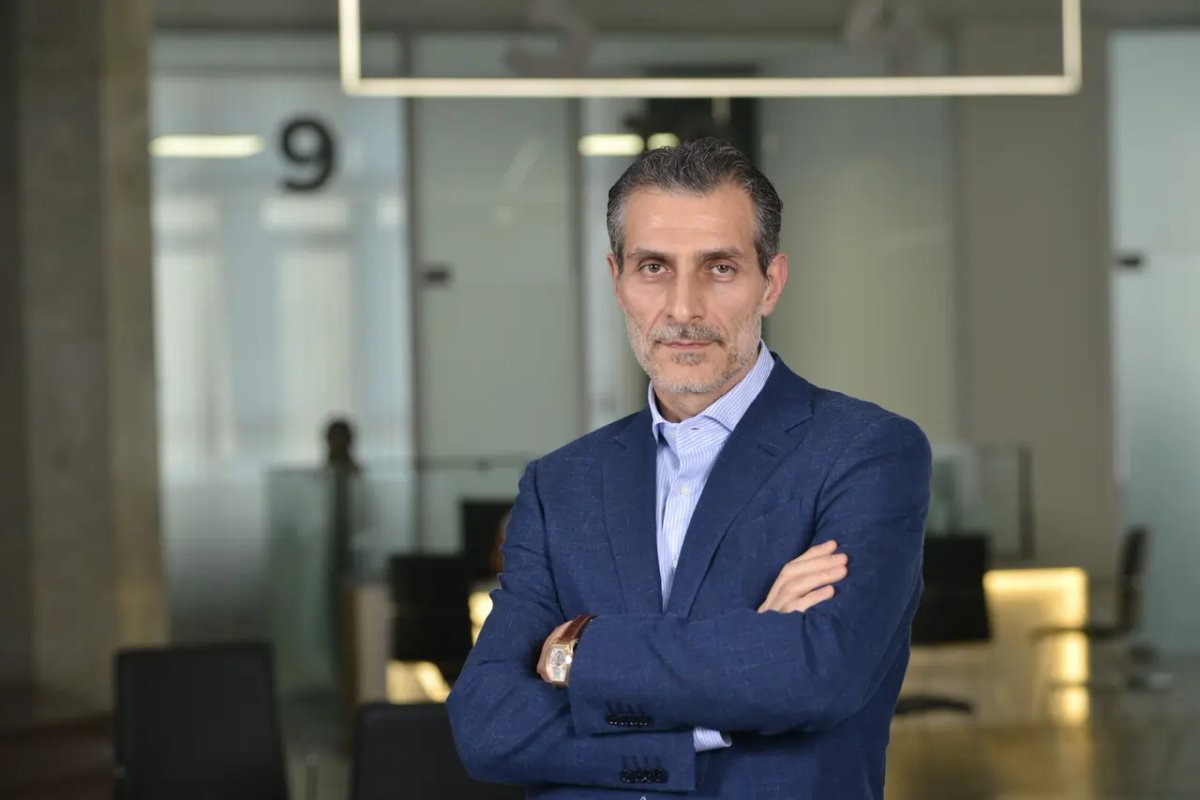
Published by Wanda Rich
Posted on September 30, 2025
3 min readLast updated: January 19, 2026
Add as preferred source on GoogleArmenian industrialist Vazgen Gevorkyan firmly believes that truly beneficial societal and environmental impact at scale can't be realised by government investment and charity alone.
Armenian industrialist Vazgen Gevorkyan firmly believes that truly beneficial societal and environmental impact at scale can't be realised by government investment and charity alone.
He believes that a significant portion of the capital managed in the private sector should be mobilized for public good.
Gevorkyan’s career, which has included managing large-scale energy infrastructure and shaping urban development, has been guided by this conviction. To him, investments must be more than profitable, they must also be purposeful.
After decades in the energy sector, Gevorkyan recognized the limitations of a purely industrial approach to capital. While he mastered how to finance multi-layered systems and align technical goals with economic priorities, he saw that when people weren’t part of the equation, the impact of the investment was limited.
“What we build should move resources as well as people,” he reflects.
This conviction now guides his advisory work at Green Rock Management Group. He collaborates with teams to reimagine towns and cities in Armenia, believing that private capital can - and should - directly shape civic life. In Dilijan, a town known for its natural beauty, Gevorkyan has supported projects that enhance both daily life and cultural identity. These include restoring streetscapes, improving public parks, expanding youth sports complexes, and introducing new approaches to hospitality education.
“Capital should flow where people live, not just where spreadsheets lead,” he explains.
Gevorkyan argues that these projects, which may seem modest at first glance, have a much deeper impact.
“When the built environment shows care, it creates confidence,” he says. “When spaces feel designed for public benefit, they are used differently. They become active, protected, and shared.”
He believes that infrastructure is the quiet face of identity. A poorly maintained street sends a message of neglect, while a thoughtfully constructed recreation center or transit hub communicates pride and belonging. These small details shape how people feel about their city, and by extension, their country.
Gevorkyan calls this approach “capital with consequence.” The term reflects his belief that investments should create continuity, not just ribbon-cuttings. He measures the return on such projects not just in financial outcomes, but also in what he calls “emotional dividends”: pride, dignity, and participation. In his view, these intangible results are what determine whether an investment endures.
“The next era of development will be defined by projects that elevate daily life while reinforcing cultural identity,” he says.
For Gevorkyan, building public good isn't separate from business strategy - it’s at the heart of it.
He believes that private capital has the ability - and responsibility - to shape civic life.
“Let us redefine what capital is for. Not just growth, but grounding. Not just access, but aspiration.”
Private capital refers to investments made in private companies or projects, typically by individuals or institutions, aiming for financial returns while also contributing to social or environmental goals.
Infrastructure financing involves funding for the construction and maintenance of essential facilities such as roads, bridges, and public spaces, often through public-private partnerships.
Emotional dividends refer to the intangible benefits derived from investments, such as community pride and increased civic engagement, which contribute to the overall quality of life.
Community engagement is the process of involving individuals and groups in decision-making and activities that affect their lives, fostering collaboration and a sense of ownership.
Explore more articles in the Investing category