Interviews
Business Transformation: Optimising Financial Services to Compete
Published by Gbaf News
Posted on July 2, 2018
9 min readLast updated: January 21, 2026
Add as preferred source on Google
Published by Gbaf News
Posted on July 2, 2018
9 min readLast updated: January 21, 2026
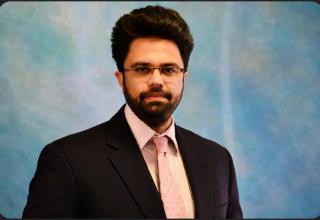
Add as preferred source on GoogleChris Darlington, Vice President, Business Transformation Services, Atos UK and Ireland
John Ainsworth, Chief Operating Officer, Business Transformation Services, Atos UK and Ireland
Given the rapid advances in technology, together with the new Payment Services Directive (PSD2) and government support for FinTechs in the UK, the future looks bright for new players. So how can more traditional institutions compete and meet changing customer expectations?
Chris Darlington and John Ainsworth from Atos Business Transformation Services discuss how long established financial services companies can respond to current demands.
CD. For any traditional institution, standing still is simply not an option given the market conditions. There are huge pressures to find efficiencies in middle and back office operations. At the same time, these businesses need to fight harder for market share while future-proofing for whatever technologies are on the horizon.
JA. This is not just about efficient processing, or even outsourcing: it’s wholesale transformation of a business to meet all these different priorities. From a digital perspective, you can build platforms on top of an existing IT infrastructure to modernise the business without changing the fundamental IT. Then the business is ready to ‘plug-and-play’ new technologies – automation, Artificial Intelligence (AI), IoT and so on, making it possible to deliver change much faster.
CD. And also making it possible to deliver intelligent operations. That means taking a lean approach to strip out waste, automate wherever possible and improve manual processes to drive through efficiencies end to end. This frees up the workforce, with upskilling if needed, to do the tasks that need human experience and knowledge.
At the same time, transformation must be customer-centric. Instead of the more traditional ways of organising processes around existing business and technology, being customer-centric requires businesses to flip this on its head by looking at the customer journey and then designing processes and technology around it.
JA. In a nutshell, great customer experience creates a cost effective and efficient operation. To illustrate the point, millennials are looking for easy, instant, digital experiences that require lean, cost efficient processes. There’s less friction and less waste because customers get what they need first time. This idea is encapsulated in the NS&I vision, which is ‘to be easier to do business with’; transactions, sales, communications all become easier.
CD. To deliver great customer experiences through operational excellence, there are three key components of business transformation. Firstly, process improvement: taking a truly end-to-end view to eliminate waste and standardise on excellence. Secondly work organisation: creating the right organisation and culture to be more productive and change ready – for instance, coaching team leaders to lead rather than just acting as subject matter experts or troubleshooters. And thirdly, operations management: delivering effective communications, resource planning and so on, so that resources are flexible and responsive. As an example, when Atos delivered business transformation services across these three areas with insurer, Aegon UK, which had previously been an outsourced operation, we achieved a 16% efficiency gain in six months.
JA. That investment in people and expertise is critical. While it’s not new that involving people in change is important to ensure that change succeeds, business transformation involves much more than that; for example, working with skilled facilitators to find out what frustrates frontline employees and – importantly – where they’re not empowered, either by process or policy, to deliver great service. From there, we use rapid, agile techniques to design, build and constantly improve new ways to delight customers. The real difference comes when colleagues are involved, not just experts in a particular part of the process, but end to end, and start to finish, from the initial workshop right through to designing, testing and launching with customers.
CD. Part of the journey we’ve been on is learning that employee experience is just as vital as customer experience. Employees truly understand customers and their pain-points – and they’ll be the ones who can change the customer experience, if they have the power. When colleagues join us, we always listen, learn from them and look to develop them. And it’s why everyone in our division can qualify in a diploma in customer experience from Atos’ Customer Experience Academy, certified and also delivered by the University of Ulster.
JA. That idea of partnership working between colleagues is hugely important – at every level. As a service, we’re working with our customer’s brand, and we can only deliver effectively in true partnership with them. That’s the reason why delivering services at locations in the UK, near to our customer (and our customer’s customers) is so important.
Staying close to customers, continuously enhancing customer experiences, relentlessly focusing on operational excellence, investing in new technology and modernising ‘plug-and-play’ platforms are all essential components of business transformation. As FinTechs and others continue to disrupt the market, business transformation enables financial services institutions to stay optimised, flexible and ready to compete.
Chris Darlington, Vice President, Business Transformation Services, Atos UK and Ireland
John Ainsworth, Chief Operating Officer, Business Transformation Services, Atos UK and Ireland
Given the rapid advances in technology, together with the new Payment Services Directive (PSD2) and government support for FinTechs in the UK, the future looks bright for new players. So how can more traditional institutions compete and meet changing customer expectations?
Chris Darlington and John Ainsworth from Atos Business Transformation Services discuss how long established financial services companies can respond to current demands.
CD. For any traditional institution, standing still is simply not an option given the market conditions. There are huge pressures to find efficiencies in middle and back office operations. At the same time, these businesses need to fight harder for market share while future-proofing for whatever technologies are on the horizon.
JA. This is not just about efficient processing, or even outsourcing: it’s wholesale transformation of a business to meet all these different priorities. From a digital perspective, you can build platforms on top of an existing IT infrastructure to modernise the business without changing the fundamental IT. Then the business is ready to ‘plug-and-play’ new technologies – automation, Artificial Intelligence (AI), IoT and so on, making it possible to deliver change much faster.
CD. And also making it possible to deliver intelligent operations. That means taking a lean approach to strip out waste, automate wherever possible and improve manual processes to drive through efficiencies end to end. This frees up the workforce, with upskilling if needed, to do the tasks that need human experience and knowledge.
At the same time, transformation must be customer-centric. Instead of the more traditional ways of organising processes around existing business and technology, being customer-centric requires businesses to flip this on its head by looking at the customer journey and then designing processes and technology around it.
JA. In a nutshell, great customer experience creates a cost effective and efficient operation. To illustrate the point, millennials are looking for easy, instant, digital experiences that require lean, cost efficient processes. There’s less friction and less waste because customers get what they need first time. This idea is encapsulated in the NS&I vision, which is ‘to be easier to do business with’; transactions, sales, communications all become easier.
CD. To deliver great customer experiences through operational excellence, there are three key components of business transformation. Firstly, process improvement: taking a truly end-to-end view to eliminate waste and standardise on excellence. Secondly work organisation: creating the right organisation and culture to be more productive and change ready – for instance, coaching team leaders to lead rather than just acting as subject matter experts or troubleshooters. And thirdly, operations management: delivering effective communications, resource planning and so on, so that resources are flexible and responsive. As an example, when Atos delivered business transformation services across these three areas with insurer, Aegon UK, which had previously been an outsourced operation, we achieved a 16% efficiency gain in six months.
JA. That investment in people and expertise is critical. While it’s not new that involving people in change is important to ensure that change succeeds, business transformation involves much more than that; for example, working with skilled facilitators to find out what frustrates frontline employees and – importantly – where they’re not empowered, either by process or policy, to deliver great service. From there, we use rapid, agile techniques to design, build and constantly improve new ways to delight customers. The real difference comes when colleagues are involved, not just experts in a particular part of the process, but end to end, and start to finish, from the initial workshop right through to designing, testing and launching with customers.
CD. Part of the journey we’ve been on is learning that employee experience is just as vital as customer experience. Employees truly understand customers and their pain-points – and they’ll be the ones who can change the customer experience, if they have the power. When colleagues join us, we always listen, learn from them and look to develop them. And it’s why everyone in our division can qualify in a diploma in customer experience from Atos’ Customer Experience Academy, certified and also delivered by the University of Ulster.
JA. That idea of partnership working between colleagues is hugely important – at every level. As a service, we’re working with our customer’s brand, and we can only deliver effectively in true partnership with them. That’s the reason why delivering services at locations in the UK, near to our customer (and our customer’s customers) is so important.
Staying close to customers, continuously enhancing customer experiences, relentlessly focusing on operational excellence, investing in new technology and modernising ‘plug-and-play’ platforms are all essential components of business transformation. As FinTechs and others continue to disrupt the market, business transformation enables financial services institutions to stay optimised, flexible and ready to compete.
Explore more articles in the Interviews category