Featured
Benefits of Circular Economy Practices for Businesses
Published by Uma Rajagopal
Posted on February 9, 2024
6 min readLast updated: January 31, 2026
Add as preferred source on Google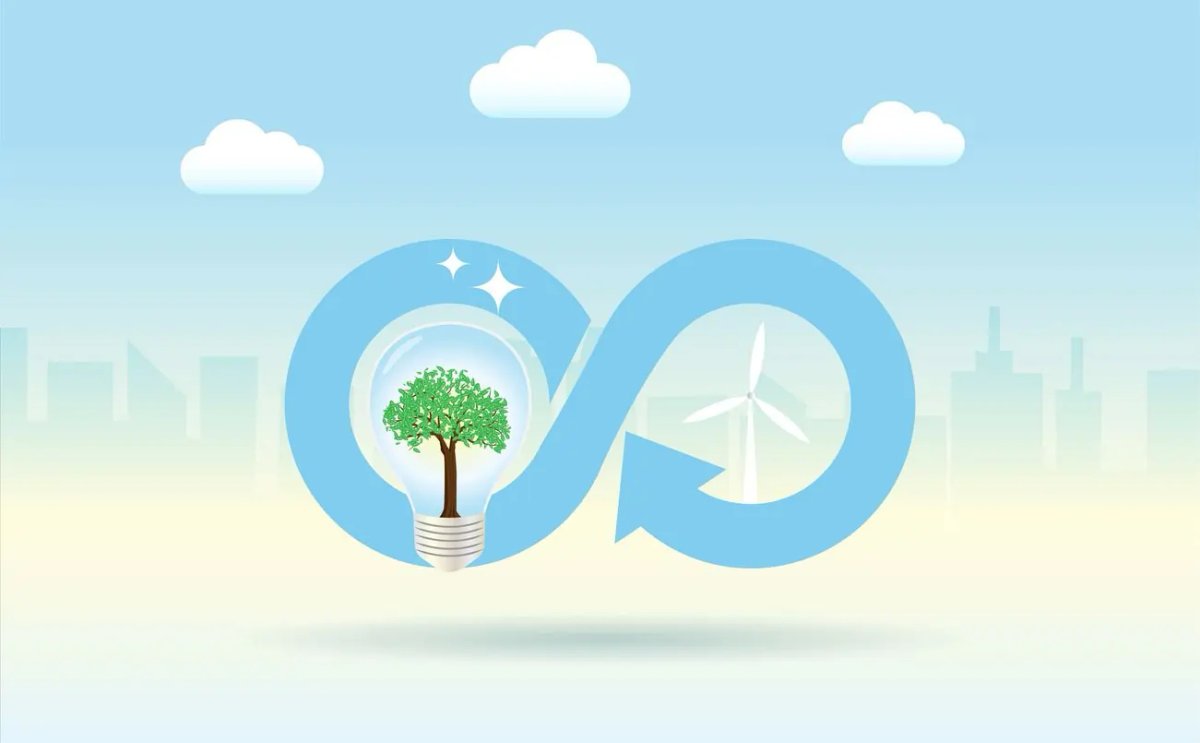
Published by Uma Rajagopal
Posted on February 9, 2024
6 min readLast updated: January 31, 2026
Add as preferred source on GoogleIn today’s rapidly evolving economic landscape, businesses are increasingly recognizing the importance of sustainability and environmental responsibility. The concept of a circular economy has emerged as a compelling framework for achieving these goals while simultaneously driving innovation, reduci...
In today’s rapidly evolving economic landscape, businesses are increasingly recognizing the importance of sustainability and environmental responsibility. The concept of a circular economy has emerged as a compelling framework for achieving these goals while simultaneously driving innovation, reducing waste, and enhancing profitability. By transitioning away from the traditional linear model of production and consumption, where resources are extracted, used, and then disposed of, towards a circular economy, companies can unlock a myriad of benefits across various facets of their operations. In this comprehensive blog post, we will explore the manifold advantages of circular economy practices for businesses, delve into their implications, and address common questions and considerations.
The concept of a circular economy is rooted in the principles of resource efficiency, waste minimization, and closed-loop systems. Unlike the linear economy, which is characterized by a “take-make-dispose” approach, a circular economy aims to keep products, materials, and resources in use for as long as possible through strategies such as reuse, recycling, remanufacturing, and regeneration. By prioritizing the design of products and processes that maximize resource productivity and minimize environmental impact, businesses can create value while simultaneously reducing their ecological footprint.
One of the primary advantages of adopting circular economy practices is the significant reduction in environmental impact. By extending the lifespan of products and materials through reuse, recycling, and remanufacturing, businesses can minimize the extraction of finite resources, reduce energy consumption, and mitigate pollution. For example, the recycling of materials such as plastics, metals, and paper diverts waste from landfills and incinerators, conserves natural resources, and reduces greenhouse gas emissions. Moreover, the adoption of circular design principles, such as designing products for disassembly and recyclability, can further enhance resource efficiency and minimize environmental degradation throughout the product lifecycle.
Circular economy practices can also yield substantial cost savings for businesses. By adopting strategies such as product refurbishment, remanufacturing, and material recycling, companies can reduce the need for raw material procurement and lower production costs. For instance, remanufacturing allows businesses to capture additional value from end-of-life products by restoring them to a like-new condition, thereby extending their lifespan and deferring the need for costly replacements. Additionally, the utilization of recycled materials in manufacturing processes can reduce material costs and decrease dependency on volatile commodity markets, thereby enhancing supply chain resilience and mitigating financial risks.
Embracing circular economy principles can unlock new revenue streams and business opportunities for companies. By shifting towards service-based models such as product leasing, subscription services, and sharing platforms, businesses can generate recurring revenue streams and forge deeper relationships with customers. Furthermore, the growing consumer demand for sustainable and ethically produced products presents an opportunity for businesses to differentiate themselves in the market and command premium prices for environmentally friendly offerings. Additionally, circular business models enable companies to tap into emerging markets for refurbished, recycled, or upcycled products, catering to environmentally conscious consumers seeking affordable and sustainable alternatives.
In an era of heightened environmental awareness and social responsibility, a commitment to circular economy practices can enhance a company’s brand reputation and foster customer loyalty. By demonstrating a commitment to sustainability, innovation, and ethical business practices, companies can differentiate themselves from competitors and build trust with environmentally conscious consumers. Moreover, transparent communication about circular initiatives and environmental stewardship can resonate with stakeholders and reinforce brand values, leading to increased customer engagement, brand loyalty, and positive word-of-mouth recommendations. Additionally, partnerships and collaborations with like-minded organizations and stakeholders can amplify the impact of circular initiatives and enhance brand visibility within sustainability-focused communities.
The transition to a circular economy can help businesses navigate regulatory requirements, mitigate risks, and future-proof their operations in an increasingly complex and volatile regulatory landscape. By proactively addressing environmental, social, and governance (ESG) risks throughout their value chains, companies can enhance their resilience to regulatory changes, reputational damage, and operational disruptions. Furthermore, compliance with environmental regulations and sustainability standards can serve as a competitive advantage, enabling companies to access new markets, attract investment, and demonstrate their commitment to responsible business practices. Additionally, the integration of circular economy principles into business strategies can reduce exposure to supply chain risks such as resource scarcity, price volatility, and geopolitical instability, thereby enhancing long-term viability and competitiveness.
While the benefits of circular economy practices for businesses are compelling, it’s essential to acknowledge the challenges and considerations involved in transitioning to a circular business model. Some of the key challenges include:
Q1. What is a circular economy?
A circular economy is an economic system aimed at minimizing waste and making the most out of resources by reusing, recycling, and regenerating materials and products. It represents a departure from the traditional linear model of production and consumption, emphasizing the importance of keeping products and materials in use for as long as possible.
Q2. How do circular economy practices benefit businesses?
Circular economy practices offer numerous benefits for businesses, including environmental sustainability, cost savings, revenue opportunities, enhanced brand reputation, regulatory compliance, and risk mitigation.
Q3. What are some examples of circular economy practices?
Examples of circular economy practices include product refurbishment, remanufacturing, recycling, waste-to-energy conversion, sharing platforms, product-as-a-service models, and closed-loop supply chains.
Q4. What challenges are associated with transitioning to a circular economy?
Challenges associated with transitioning to a circular economy include initial investment costs, supply chain complexity, consumer behavior, and technological limitations. However, overcoming these challenges can lead to significant long-term benefits for businesses and society as a whole.
In conclusion, embracing circular economy practices offers a multitude of benefits for businesses, ranging from environmental sustainability and cost savings to revenue opportunities and enhanced brand reputation. By transitioning towards a circular business model, companies can not only minimize their environmental footprint but also drive innovation, improve resilience, and create value for stakeholders across the entire supply chain. While challenges and considerations exist, the potential rewards of embracing the circular economy far outweigh the costs, making it a compelling strategy for businesses seeking long-term success in a resource-constrained world.
A circular economy is an economic system focused on minimizing waste and making the most of resources by reusing, recycling, and regenerating materials and products.
Circular economy practices provide benefits such as environmental sustainability, cost savings, new revenue opportunities, enhanced brand reputation, and improved regulatory compliance.
Environmental sustainability refers to responsible interaction with the environment to avoid depletion or degradation of natural resources, ensuring that ecosystems can maintain their balance.
Revenue opportunities in a circular economy can include service-based models like leasing, subscription services, and markets for refurbished or recycled products.
Regulatory compliance is the process of ensuring that an organization adheres to laws, regulations, guidelines, and specifications relevant to its business operations.
Explore more articles in the Featured category