
Finance
Wizz Air Says 40 Planes to Stay Grounded Through Fiscal 2026 Amid Engine Woes
Published by Global Banking & Finance Review®
Posted on December 31, 2024
2 min readLast updated: January 27, 2026
Add as preferred source on Google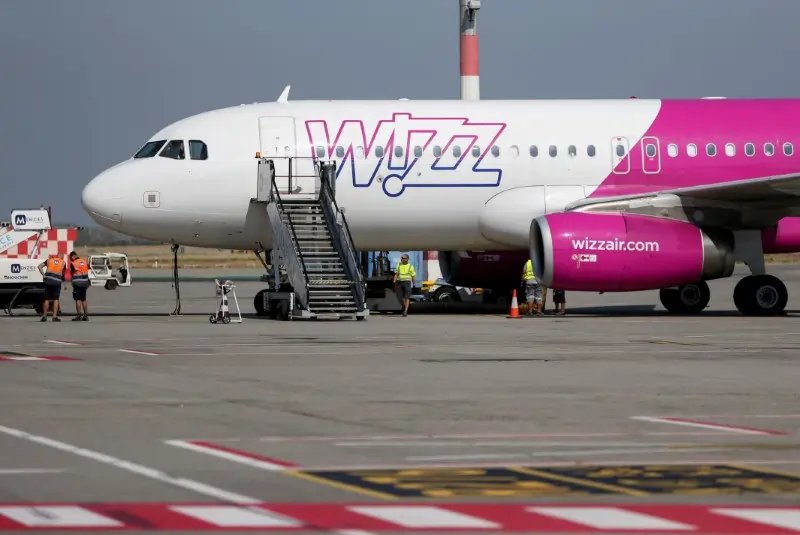
Published by Global Banking & Finance Review®
Posted on December 31, 2024
2 min readLast updated: January 27, 2026
Add as preferred source on GoogleWizz Air will keep 40 planes grounded through fiscal 2026 due to Pratt & Whitney engine issues, impacting capacity and profits.
(Reuters) - Wizz Air on Tuesday said it had signed a new support agreement with defence and aerospace firm RTX's Pratt & Whitney amid engine woes, adding that it expects 40 of its planes to stay grounded through fiscal year 2026.
The low-cost Hungarian airline said Pratt & Whitney will provide commercial support, including operational assistance and a compensation package for direct costs related to grounded aircraft, through the end of 2026.
Budapest-headquartered Wizz Air, which flies an all-Airbus fleet, has had to navigate additional challenges after Pratt & Whitney in 2023 said more than 1,000 engines needed to be removed from Airbus planes and checked for microscopic cracks.
In September 2023, Wizz Air had estimated a potential 10% capacity reduction in the second half of fiscal 2024, due to the inspection of Pratt & Whitney's turbofans.
In November this year, it posted a bigger-than-expected drop in first-half profit, citing ongoing issues with engine inspections that grounded its Airbus planes and the impact of conflict in the Middle East.
Wizz Air also said it expects to return to growth by taking 50 new Airbus A321NEO deliveries and growing seat capacity by about 20% during 2026.
(Reporting by Yamini Kalia and Chandini Monnappa in Bengaluru; Editing by Janane Venkatraman and Mrigank Dhaniwala)
The main topic is Wizz Air grounding 40 planes until 2026 due to Pratt & Whitney engine issues.
Wizz Air signed a support agreement with Pratt & Whitney for operational assistance and compensation.
Wizz Air plans to take 50 new Airbus A321NEO deliveries and increase seat capacity by 20% in 2026.
Explore more articles in the Finance category
