
Finance
Indonesia Expects EU to Adjust Palm Oil Biofuel Stance After EU Ruling
Published by Global Banking & Finance Review®
Posted on January 17, 2025
2 min readLast updated: January 27, 2026
Add as preferred source on Google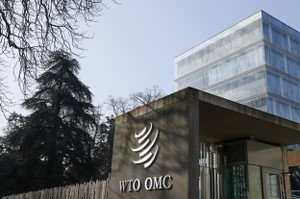
Published by Global Banking & Finance Review®
Posted on January 17, 2025
2 min readLast updated: January 27, 2026
Add as preferred source on GoogleIndonesia expects the EU to revise its biofuel policies after a WTO ruling favored Indonesia in a trade dispute over palm oil biodiesel.
JAKARTA (Reuters) - Indonesia welcomed a ruling by the World Trade Organization in a case against European Union on palm oil-based biodiesel, expecting the bloc to adjust its regulations to comply with the ruling.
The world's largest palm oil producer Indonesia brought the case to the WTO dispute body in 2019 after the EU decided that palm oil-based diesel would not be considered a biofuel due to its link to deforestation and its use in transport fuel would be phased out between 2023 and 2030.
Indonesia argued that the EU is using climate issues as a pretext to implement protectionist trade measures.
"The Indonesian government welcomes the WTO panel decision ... We hope that in the future, other trading partner countries will not implement similar policies that have the potential to hinder the flow of global trade," Trade Minister Budi Santoso said in a statement late on Thursday.
The three-person panel ruled last week that the underlying logic of the EU measures to limit greenhouse gas emissions was legitimate and that the EU had a reasonable basis to designate biodiesel from palm oil as "high risk".
However, the panel found fault in the way the EU had prepared, published and administered its measures, such as by not having a timely review of data to determine high risk and not meeting certain transparency obligations.
The EU was also found giving less favourable treatment to palm oil-based biofuel from Indonesia than accorded to like products of EU origin or imported from third countries.
The Indonesian trade ministry said that EU will be compelled to adjust its policy to comply with the ruling, adding that Indonesia will closely monitor EU's regulatory changes to meet with the WTO body's recommendations.
The EU embassy in Jakarta did not immediately response to a request for comments.
(Reporting by Bernadette Christina Munthe, Dewi Kurniawati; Writing by Fransiska Nangoy; Editing by Kim Coghill)
The main topic is Indonesia's expectation for the EU to adjust its biofuel regulations following a WTO ruling on palm oil biodiesel.
Indonesia challenged the EU's decision to phase out palm oil-based diesel, claiming it was a protectionist trade measure.
The WTO found that the EU's measures lacked transparency and gave less favorable treatment to Indonesian palm oil biodiesel.
Explore more articles in the Finance category