Search
00
GBAF Logo
trophy
Top StoriesInterviewsBusinessFinanceBankingTechnologyInvestingTradingVideosAwardsMagazinesHeadlinesTrends

Subscribe to our newsletter

Get the latest news and updates from our team.

Global Banking and Finance Review

Global Banking and Finance Review - Subscribe to our newsletter

Company

    GBAF Logo
    • About Us
    • Profile
    • Privacy & Cookie Policy
    • Terms of Use
    • Contact Us
    • Advertising
    • Submit Post
    • Latest News
    • Research Reports
    • Press Release
    • Awards▾
      • About the Awards
      • Awards TimeTable
      • Submit Nominations
      • Testimonials
      • Media Room
      • Award Winners
      • FAQ
    • Magazines▾
      • Global Banking & Finance Review Magazine Issue 79
      • Global Banking & Finance Review Magazine Issue 78
      • Global Banking & Finance Review Magazine Issue 77
      • Global Banking & Finance Review Magazine Issue 76
      • Global Banking & Finance Review Magazine Issue 75
      • Global Banking & Finance Review Magazine Issue 73
      • Global Banking & Finance Review Magazine Issue 71
      • Global Banking & Finance Review Magazine Issue 70
      • Global Banking & Finance Review Magazine Issue 69
      • Global Banking & Finance Review Magazine Issue 66
    Top StoriesInterviewsBusinessFinanceBankingTechnologyInvestingTradingVideosAwardsMagazinesHeadlinesTrends

    Global Banking & Finance Review® is a leading financial portal and online magazine offering News, Analysis, Opinion, Reviews, Interviews & Videos from the world of Banking, Finance, Business, Trading, Technology, Investing, Brokerage, Foreign Exchange, Tax & Legal, Islamic Finance, Asset & Wealth Management.
    Copyright © 2010-2026 GBAF Publications Ltd - All Rights Reserved. | Sitemap | Tags | Developed By eCorpIT

    Editorial & Advertiser disclosure

    Global Banking and Finance Review is an online platform offering news, analysis, and opinion on the latest trends, developments, and innovations in the banking and finance industry worldwide. The platform covers a diverse range of topics, including banking, insurance, investment, wealth management, fintech, and regulatory issues. The website publishes news, press releases, opinion and advertorials on various financial organizations, products and services which are commissioned from various Companies, Organizations, PR agencies, Bloggers etc. These commissioned articles are commercial in nature. This is not to be considered as financial advice and should be considered only for information purposes. It does not reflect the views or opinion of our website and is not to be considered an endorsement or a recommendation. We cannot guarantee the accuracy or applicability of any information provided with respect to your individual or personal circumstances. Please seek Professional advice from a qualified professional before making any financial decisions. We link to various third-party websites, affiliate sales networks, and to our advertising partners websites. When you view or click on certain links available on our articles, our partners may compensate us for displaying the content to you or make a purchase or fill a form. This will not incur any additional charges to you. To make things simpler for you to identity or distinguish advertised or sponsored articles or links, you may consider all articles or links hosted on our site as a commercial article placement. We will not be responsible for any loss you may suffer as a result of any omission or inaccuracy on the website.

    Home > Business > Why it’s essential that merchants use acquirer agnostic PSPs
    Business

    Why it’s essential that merchants use acquirer agnostic PSPs

    Published by Wanda Rich

    Posted on May 2, 2024

    5 min read

    Last updated: January 30, 2026

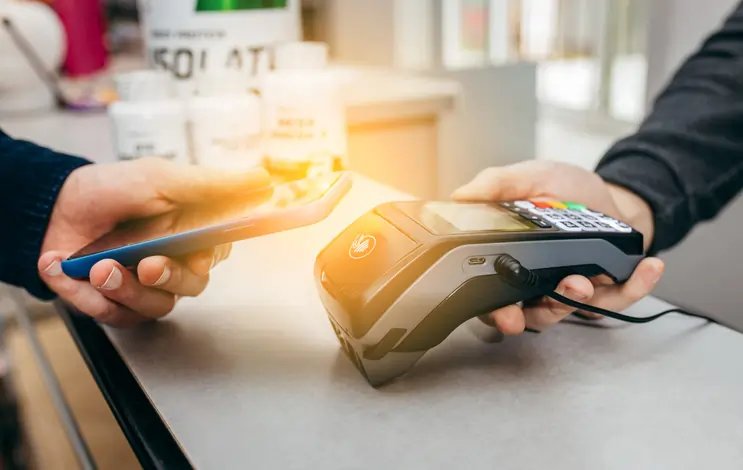
    Illustration of a merchant utilizing acquirer agnostic payment service providers, highlighting the importance of flexibility, cost efficiency, and improved transaction reliability in modern retail.
    Merchant using acquirer agnostic payment service providers for seamless transactions - Global Banking & Finance Review
    Why waste money on news and opinion when you can access them for free?

    Take advantage of our newsletter subscription and stay informed on the go!

    Subscribe

    Tags:paymentsretailersfinancial servicestechnologye-commerce

    Why it’s essential that merchants use acquirer agnostic PSPs

    By Philip Plambeck, Managing Director, UK, Computop

    Philip Plambeck

    In today’s fast-paced digital landscape where choice is fundamental to the customer experience, retailers are seeking payment solutions that offer flexibility, cost-efficiency, and seamless transactions. The ability to process card payments quickly, smoothly, and securely is paramount for any business that aims to provide exceptional service at the checkout. This is where the importance of using an acquirer-agnostic payment service provider (PSP) comes into play.

    An acquirer-agnostic PSP offers a distinct advantage by giving retailers access to multiple acquirers, allowing them to optimise transaction routes for better reliability, a broader range of payment methods and potentially lower fees. This flexibility ensures uninterrupted payment processing, mitigating the risks associated with downtime or technical issues that may arise from relying on a single acquirer.

    Avoiding Exclusivity: Fostering Competition and Better Terms

    One of the key benefits of using an acquirer-agnostic PSP is that they will already have fostered healthy competition among the various entities they are integrated with, allowing retailers to take advantage of improved terms. This is perhaps why so many retailers have opted to engage in this way in recent years. A report from Edgar and Dunn in 2021 found that 57% of merchants globally were already engaging with multiple acquirers and among those that were using a single acquirer, 40% planned to move to multiple acquisition within 12 months.

    Acquirers, the financial institutions responsible for processing and settling card transactions, can offer varying rates and conditions based on factors such as transaction volume, industry, and risk profile. An acquirer-agnostic PSP can therefore leverage this competition to negotiate favourable terms for its merchant clients, empowering them with control, resilience, and improved financial outcomes.

    Uninterrupted Payment Processing: Mitigating Risk and Ensuring Continuity

    The impact of downtime or technical glitches during a payment transaction should not be underestimated, with consequences for merchants ranging from lost sales and dissatisfied customers, through to reputational damage. The role of a PSP with an acquirer agnostic global payment gateway is to mitigate these risks and ensure continuous payment processing.

    When a PSP has access to multiple acquirers, it can seamlessly reroute transactions through alternative channels if one acquirer experiences disruptions or forced maintenance periods. This redundancy and failover capability ensures that customer transactions are processed without interruption, which provides merchants with peace of mind but also ensures consistency and reliability for the customer.

    Optimised Transaction Routing: Leveraging Rules-Based Routing

    Acquirer-agnostic PSPs, such as Computop, employ sophisticated rules-based routing algorithms to optimise transaction processing. These algorithms take into account various factors, such as transaction type, currency, geographic location, and as I said previously, risk profiles, to determine the most optimal acquirer for the transaction.

    By leveraging local processing capabilities, PSPs can route transactions through acquirers located closest to the merchant or customer, minimising latency and potential connectivity issues. This approach not only enhances the overall transaction experience but also helps reduce costs by cutting cross-border fees and leveraging regional acquirer rates where applicable.

    The Process: From Retailer to Acquirer to Settlement

    To better understand the mechanics of acquirer-agnostic payment processing, let’s explore the typical flow of a transaction:

    1. Transaction initiation – The retailer initiates the process at the point when a customer presents their card at the retailer’s storefront, whether physical or online.
    2. PSP receives transaction: The retailer’s PSP receives the transaction details from the retailer’s online shop or point-of-sale system.
    3. Rules-based routing: The PSP’s platform or gateway applies a set of predefined rules to determine the most optimal acquirer for the transaction, considering factors like location, currency, and risk profile.
    4. Acquirer processing: The transaction is routed to the selected acquirer for authorisation, settlement, and funding.
    5. Retailer funding: Once the transaction is successfully processed, the funds are credited to the retailer’s account, typically within a predetermined settlement period.

    By leveraging this process, acquirer-agnostic PSPs can ensure efficient and cost-effective transaction processing while providing merchants with the flexibility and resilience they need in today’s competitive business environment.

    The Benefits of Local Acquiring

    In addition to optimised transaction routing, acquirer-agnostic PSPs often offer connections to local acquiring capabilities, allowing transactions to be acquired within the same country or territory as the merchant or customer – within the EU would be an example.

    This approach brings several advantages. Firstly it can cut fees. By acquiring transactions locally, retailers can often avoid costly cross-border fees typically associated with international transactions, leading to lower overall costs. Local acquiring also helps merchants to comply with regional regulations and data privacy laws, minimising the risk of non-compliance and the associated penalties. Thirdly, it can improve transaction speeds and reduce the likelihood of false declines due to geographic or currency mismatches, which has the knock-on effect of improving the customer experience.

    By embracing an acquirer-agnostic approach, PSPs empower retailers with the flexibility, resilience, and cost-efficiency they need to win in the fiercely competitive retailer space. As retailers continue to prioritise seamless customer experiences and optimised financial outcomes, the importance of acquirer-agnostic payment service providers will only continue to grow.

    Frequently Asked Questions about Why it’s essential that merchants use acquirer agnostic PSPs

    1What is a payment service provider (PSP)?

    A payment service provider (PSP) is a company that offers merchants the technology and services needed to accept electronic payments, including credit and debit card transactions.

    2What is transaction routing?

    Transaction routing is the process of directing payment transactions through various channels or acquirers to optimize speed, cost, and reliability during payment processing.

    3What are local acquiring capabilities?

    Local acquiring capabilities refer to the ability of payment service providers to process transactions within the same country or region as the merchant or customer, often reducing fees and improving compliance.

    4What is rules-based routing?

    Rules-based routing is a method used by payment service providers to determine the best acquirer for a transaction based on predefined criteria such as location, currency, and risk profile.

    More from Business

    Explore more articles in the Business category

    Image for How Commercial Lending Software Platforms Are Structured and Utilized
    How Commercial Lending Software Platforms Are Structured and Utilized
    Image for Oil Traders vs. Tech Startups: Surprising Lessons from Two High-Stakes Worlds | Said Addi
    Oil Traders vs. Tech Startups: Surprising Lessons from Two High-Stakes Worlds | Said Addi
    Image for Why More Mortgage Brokers Are Choosing to Join a Network
    Why More Mortgage Brokers Are Choosing to Join a Network
    Image for From Recession Survivor to Industry Pioneer: Ed Lewis's Data Revolution
    From Recession Survivor to Industry Pioneer: Ed Lewis's Data Revolution
    Image for From Optometry to Soul Vision: The Doctor Helping Entrepreneurs Lead With Purpose
    From Optometry to Soul Vision: The Doctor Helping Entrepreneurs Lead With Purpose
    Image for Global Rankings Revealed: Top PMO Certifications Worldwide
    Global Rankings Revealed: Top PMO Certifications Worldwide
    Image for World Premiere of Midnight in the War Room to be Hosted at Black Hat Vegas
    World Premiere of Midnight in the War Room to be Hosted at Black Hat Vegas
    Image for Role of Personal Accident Cover in 2-Wheeler Insurance for Owners and Riders
    Role of Personal Accident Cover in 2-Wheeler Insurance for Owners and Riders
    Image for The Young Rich Lister Who Also Teaches: How Aaron Sansoni Built a Brand Around Execution
    The Young Rich Lister Who Also Teaches: How Aaron Sansoni Built a Brand Around Execution
    Image for Q3 2025 Priority Leadership: Tom Priore and Tim O'Leary Balance Near-Term Challenges with Long-Term Strategic Wins
    Q3 2025 Priority Leadership: Tom Priore and Tim O'Leary Balance Near-Term Challenges with Long-Term Strategic Wins
    Image for Using Modern Team Management Methods to Improve Collaboration in Hybrid Work Models
    Using Modern Team Management Methods to Improve Collaboration in Hybrid Work Models
    Image for Why Email Deliverability is a Business Risk Your Company Can’t Afford to Ignore
    Why Email Deliverability is a Business Risk Your Company Can’t Afford to Ignore
    View All Business Posts
    Previous Business PostKey marketing challenges for financial services brands
    Next Business PostVistaCreate – No. One Design Assisstant For Businesses