
Business
What Today’s Workforce Really Wants: Flexible, Personalized, Instant Rewards & Recognition
Published by Wanda Rich
Posted on July 8, 2025
6 min readLast updated: January 20, 2026
Add as preferred source on Google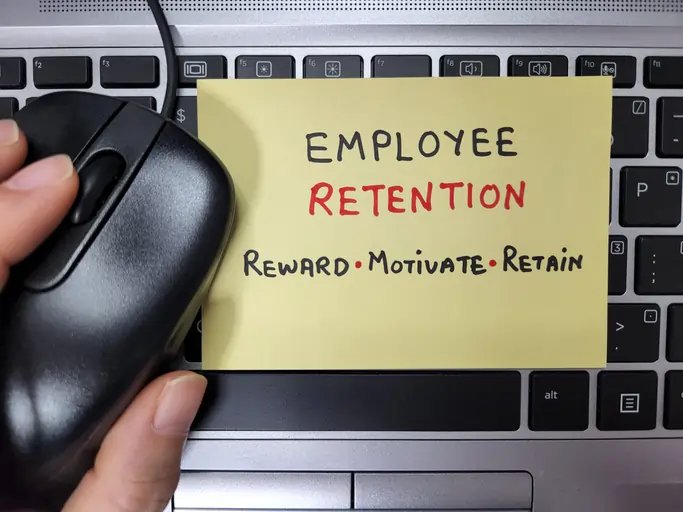
Published by Wanda Rich
Posted on July 8, 2025
6 min readLast updated: January 20, 2026
Add as preferred source on GoogleThe way employees want to be recognized is changing—and it’s happening very quickly. As workforce demographics shift and expectations around a personalized employee experience rise, the traditional recognition model is starting to look increasingly out of step. Programs once built around a single an...
The way employees want to be recognized is changing—and it’s happening very quickly. As workforce demographics shift and expectations around a personalized employee experience rise, the traditional recognition model is starting to look increasingly out of step. Programs once built around a single annual award or one-size-fits-all gift cards and rewards are being replaced by systems that reflect the diversity, immediacy, and individuality of today’s workforce.
Recognition, once seen as a perk, is now a key driver of engagement, loyalty, and performance. But you’ll only reap those benefits when recognition and rewards are done in a way that resonates.
Over the last decade, employee recognition has moved from a manager-led formality to a more dynamic, culture-driven practice. Younger generations entering the workforce expect positive feedback and appreciation to be timely, public, and personally meaningful. Meanwhile, seasoned professionals want recognition tied to values and outcomes, not just tenure or output.
While it presents a difficult balance to strike, the message is clear: employees want recognition that fits into the way they work and live.
They want flexibility: the ability to choose how they’re rewarded. They want personalization: rewards that feel tailored to them. They want immediacy: recognition that happens in the moment—not months later.
This is not just about preference. It’s about performance. According to Gallup,when employees feel recognized, they are more engaged and motivated. Highly engaged employees are 21% more productive and generate 22% higher profitability. Recognition also drives retention; companies with effective recognition programs see 31% lower voluntary turnover rates.
In practice, flexibility means giving employees options. It’s not just choosing between an Amazon gift card or a company t-shirt. It’s about letting people decide how, when, and even where they receive recognition—whether it’s a monetary reward, public praise, or an opportunity to give back to a cause they care about.
It also means enabling employees to redeem rewards in ways that align with their lifestyle, values, or family needs. Some may want to put their reward toward continuing education. Some employees choose branded swag that builds team pride and strengthens culture. Others use their rewards for everyday expenses such as groceries, gas, or utility bills that ease financial pressure and improve quality of life, especially in today’s tight economy.
For companies, flexibility isn’t just about how employees are recognized—it’s also about how programs are managed. HR and finance leaders need tools that simplify administration, control costs, and support broader business goals. That means moving away from clunky spreadsheets and manual tracking in favor of systems that are integrated, automated, and built to scale.
One way organizations are making that shift is by giving employees access to pre-loaded digital wallets or branded cards. It reduces administrative overhead and gives employees more control over how they use their rewards—whether for team-branded swag that builds culture or everyday essentials that ease financial pressure.
And when recognition is backed by systems that work for everyone—employees, managers, and administrators alike. It stops being a chore and becomes a strategic asset.
Recognition doesn’t work when it feels generic. Employees are more likely to value and repeat behaviors that are acknowledged in meaningful, relevant ways. That’s why personalization is more than a nice touch; it’s a business driver.
“Personalized recognition gives employees a sense that their individual contributions are truly seen,” says Scott Johnson, CEO of Motivosity. “That’s what drives a sense of belonging—and belonging is what keeps people engaged and performing.”
This goes beyond knowing someone’s name or role. It’s about tailoring recognition to reflect how they work, what motivates them, and how they want to be celebrated. A reward that feels like it could have gone to anyone is quickly forgotten. One that feels intentional and well-timed becomes a memory, and often, a motivator.
Modern work moves quickly, and recognition needs to keep up. Employees increasingly expect positive feedback and appreciation to come in real time. A delay in recognition can make even well-meaning gestures feel performative or disconnected.
Technology plays a major role in making timely recognition-based rewards possible. Today’s platforms allow companies to automate milestone recognition—birthdays, anniversaries, promotions—and enable spontaneous appreciation through peer-to-peer shoutouts or manager-driven moments. But the most effective platforms go further. They support achievement awards, nomination-based programs, team challenges, and other recognition initiatives that help companies embed appreciation into every layer of culture.
And it’s not just the recognition that’s timely—the rewards are, too. Employees get instant access to the points, dollars, or redeemable items tied to each recognition moment, reinforcing the connection between effort and appreciation right away.
This kind of infrastructure turns recognition into a natural part of daily work, rather than an item on someone’s to-do list.
The rise in flexible, personalized, and instant recognition isn’t just about employee satisfaction. It’s about retention, productivity, and internal alignment. Recognition is one of the few levers companies can pull that directly impacts how connected people feel to their work, their teams, and their company’s mission.
In a distributed or hybrid environment, where culture must be built intentionally, this matters more than ever. Recognition becomes a vehicle for visibility—a way to make contributions across roles, locations, and departments more transparent and celebrated.
It’s also an opportunity to reinforce the behaviors companies want more of. When recognition is tied to core values, leadership principles, or customer impact, it becomes a culture-shaping force.
Forward-thinking companies aren’t just updating their recognition programs. They’re redesigning how appreciation lives inside their organizations. They’re shifting from quarterly rewards to real-time moments. From generic tokens to personalized gestures. From top-down initiatives to shared celebration.
They’re building recognition systems that reflect the reality of work today—and the diversity of the people who do it.
At its core, recognition is about making people feel seen and valued. When it’s flexible, personalized, and instant, it meets employees where they are—and gives them a reason to stay engaged, loyal, and inspired.
Recognition isn’t just a cultural “nice-to-have.” It’s a strategic imperative. One that, when done well, delivers a meaningful return for employees and the organization alike.
Employee recognition is the acknowledgment of an employee's contributions and achievements in the workplace, which can enhance motivation and engagement.
Flexible rewards are customizable benefits that allow employees to choose how they want to be recognized or rewarded, catering to their individual preferences.
Personalization in employee recognition involves tailoring rewards and acknowledgment to reflect the unique contributions and preferences of individual employees.
Workforce engagement refers to the level of commitment, motivation, and enthusiasm employees have towards their work and the organization.
Retention in the workplace refers to the ability of an organization to keep its employees over time, reducing turnover rates and maintaining a stable workforce.
Explore more articles in the Business category









