Trading
Sterling Extends Bounce Off Recent Lows as U.S. Election in Focus
Published by Jessica Weisman-Pitts
Posted on November 4, 2024
3 min readLast updated: January 29, 2026
Add as preferred source on Google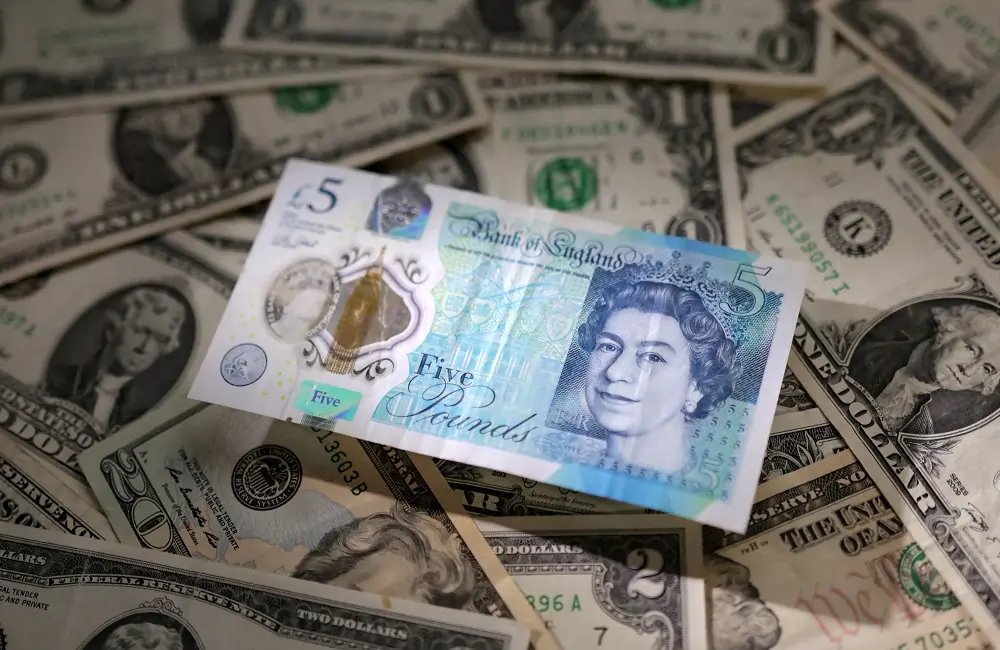
Published by Jessica Weisman-Pitts
Posted on November 4, 2024
3 min readLast updated: January 29, 2026
Add as preferred source on GoogleBy Medha Singh
(Reuters) – The British pound bounced against a tepid dollar on Monday ahead of high-stakes events this week that include U.S. elections and a Bank of England interest rate decision.
Sterling rose 0.4% to $1.297, coming off of its longest string of weekly losses in nearly six years.
It fell to a two-and-a-half month low of $1.284 last week as British finance minister Rachel Reeves’ high-tax, high-spend and high-borrowing budget plan sparked political and monetary uncertainty.
Alongside the budget, the Office for Budget Responsibility (OBR) trimmed its growth forecasts beyond 2025 and forecast UK inflation will average 2.6% in 2025, up from a previous forecast of 1.5% back in March, prompting traders to pare back their BoE rate cut bets.
In an action-packed week, attention will be on both the Federal Reserve and the Bank of England policy meetings. Both central banks are widely expected to deliver a quarter-point rate cut on Thursday respectively with the possibility of another similar move in December.
Investors will pay particular attention to comments from BoE Governor Andrew Bailey to see if he offers any view on the government’s spending plan.
Recent Budget and OBR’s growth and inflation forecast have put a question mark on the BoE’s need to be more aggressive,” said Mohit Kumar, chief economist for Europe at Jefferies.
“We expect Bailey to leave the door open for another cut in December, but tone down his recent dovish rhetoric.”
Against the euro, sterling dipped slightly to 84.05 pence.
The dollar index dipped to a two-week low against a basket of currencies as investors took some profits after a poll showed U.S. Vice President Harris with marginal leads in Nevada, North Carolina and Wisconsin and former President Trump just ahead in Arizona, some of the battleground states that decide the U.S. outcome.
Nationally, Harris and Trump are seen locked in a tight race for the White House ahead of Election Day on Tuesday. The dollar in recent weeks was supported by bets on a Trump victory, which would mean higher tariffs and thus higher prices, causing the Federal Reserve to halt or slow its easing cycle.
A gauge of expected volatility over the next week in sterling jumped as investors braced for the highly uncertain election, which could lead to big changes in trade policy and swings in the dollar.
One-week implied options volatility – a measure of demand to protect against large moves in the pound over the coming week that includes Tuesday’s U.S. vote and Thursday’s BoE rate decision, was at 11.8%.
It was just off of last week’s more than seven-month peak of 12.8%.
(Reporting by Medha Singh; Ediitng by Angus MacSwan)
The Bank of England is the central bank of the United Kingdom, responsible for issuing currency, maintaining monetary stability, and overseeing the financial system.
Inflation is the rate at which the general level of prices for goods and services rises, eroding purchasing power.
Monetary policy refers to the actions taken by a central bank to manage the money supply and interest rates to achieve macroeconomic objectives.
A currency exchange rate is the value of one currency for the purpose of conversion to another, indicating how much of one currency can be exchanged for another.
A rate cut is a reduction in the interest rate set by a central bank, aimed at stimulating economic activity by making borrowing cheaper.
Explore more articles in the Trading category