
Business
Rouzbeh Pirouz on What Does Getting Back to Normal After Covid Mean for Disabled Workers?
Published by Jessica Weisman-Pitts
Posted on August 25, 2021
7 min readLast updated: February 15, 2026
Add as preferred source on Google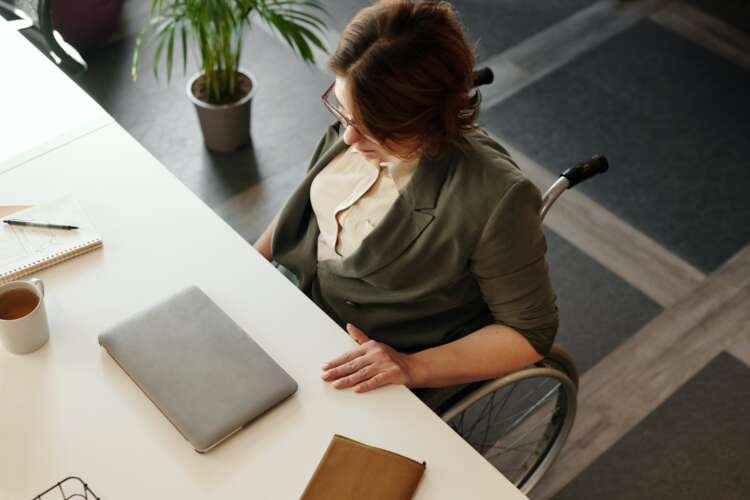
Published by Jessica Weisman-Pitts
Posted on August 25, 2021
7 min readLast updated: February 15, 2026
Add as preferred source on Google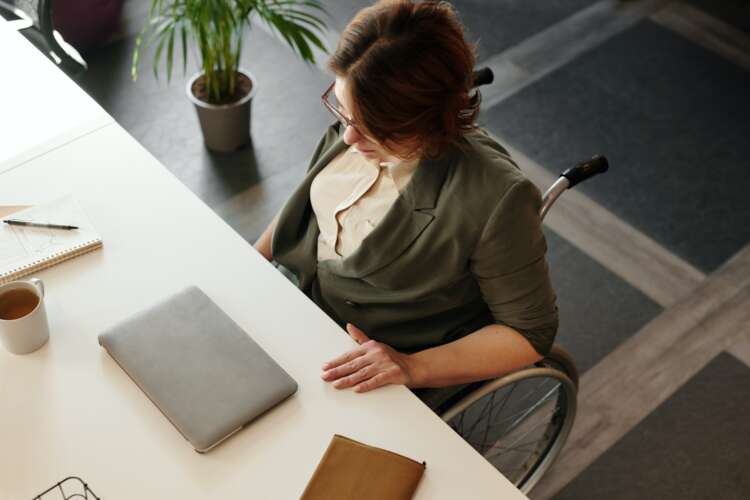
Rouzbeh Pirouz on What does getting back to normal after COVID mean for disabled workers?
Entrepreneur and businessman Rouzbeh Pirouz on the plight of disabled workers in a world that is rushing back to the ‘new normal’.
Rouzbeh Pirouz is Co-Founder and Senior Partner at London-based Pelican Partners, a real estate and private equity investment firm.
At the time of writing, 28.6% of the global population have received at least a single dose of the COVID-19 vaccine. Those fully vaccinate account for 14.8% of the world’s population.
The UK, the US and many other countries are juggling the needs of the vaxxed population with those that are yet to be vaccinated and the need to open the world to a new normal again.
Disabled workers being urged back to the office
Anti-vaccination sentiment is also impeding the rollout, with significant numbers of people in the UK refusing the jab. At the same time, we’re being urged to go back to the office with Chancellor Rishi Sunak laying out that if people don’t go back then their career could be at risk.
In other words, the pandemic is far from over and there is little guaranteed safety even for the double vaccinated. It’s still possible to catch COVID-19 and suffer the impact of long COVID, which we will talk about in more detail later on. And for disabled people, the risks are even greater.
So, as the world rushes back to the new normal, what does this mean for the disabled community, many of whom are more susceptible to the worst impact of the virus?
Of course, many people are relieved that there is some light at the end of the tunnel and are keen to get back out there. However, for disabled people, the anxiety increases every day. For them, getting back to ‘normal’ means losing the benefits of isolation and online working, and being forced into taking unnecessary risks.
Disabled people are more vulnerable to the worst impact of the virus
The fact remains that able bodied people and those that are younger and healthier at less risk of dying or suffering greatly from COVID-19. Disabled people are generally automatically more vulnerable and would suffer more from the impact of long COVID and its associated symptoms.
Much of the problem for disabled people is that the concept of ‘normality’ simply doesn’t include them in many people’s minds. Normal is an environment that caters for and helps able bodied people, the non-disabled who never have to think about accessibility and the need to take vital health precautions on a daily basis.
Does the new normal include disabled people’s concerns or is it going to be more like a return to the old normal that didn’t work for them anyway?
Cases are rising in the UK and stand at 5.9 million, with more than 130,000 deaths. The Delta variant is responsible for most of the new cases, and they are hitting the non-vaccinated and more vulnerable harder.
People with disabilties will suffer harsher symptoms if they do contract COVID-19, particular people who have conditions that adversely impact their respiratory system (chronic lung disease or asthma for example), compromise their immune system or affect their blood pressure or heart.
Why disabled people need different levels of support in the workplace
In 2021, there are more than 14 million disabled people in the UK. More disabled people are likely to struggle with unemployment than able bodied people. But they’re also more likely to be living in poverty or even extreme poverty.
This has much to do with workplaces traditionally being unbending in their attitude towards accommodating disabled people. In the UK, workplaces are supposed to be legally obliged to make “reasonable adjustments” to office space and job roles for disabled employees. In reality, disabled people simply get passed over for the role in the first place on many occasions.
COVID-19 has proved to the world that it is, after all, possible for many corporate ad professional business sectors to operate effectively with up to 100% of their employees working remotely. It turns out that we don’t have to be in the office after all.
It is understandable, of course, that people want to return to some kind of feeling of normality after going through an objectively traumatic 18 months. But disabled people need the general population to understand that just because they were forced to function in a pre-pandemic world that didn’t cater well for them, that doesn’t mean it’s sustainable.
What is the new normal anyway?
There is also growing evidence that the dream of a post-pandemic world will never actually happen. The virus is mutating with new variants causing differing levels of concern as they appear to reinfect countries. For example, in the outbreak centre of COVID-19, the city of Wuhan in China, every citizen is about to be tested due to new cases.
Should the entirety of the UK’s population simply decide to take no more precautions and revert to mass gatherings, there is a very real danger that the more vulnerable will be infected or reinfected. While the UK lifted restrictions on 19 July, many people are choosing to keep wearing masks even when they are double vaccinated. However, a large percentage of the country still hasn’t had even one vaccine yet, with young people and the anti-vaccination community proving resistant.
This is essentially trapping disabled people in a new form of unrecognised self-imposed lockdown because they simply do not feel safe. High-risk people and the disabled community deserve to be protected.
And it’s not as simple as some catch COVID and survive and others die. There is also the added complication of long COVID, which is now recognised as a debilitating symptom that can cause disabilties. Recent research suggests that two million people in the UK are dealing with the impact of long COVID, defined as having symptoms lasting longer than 12 weeks.
Disabled workers must be allowed to work remotely on an ongoing basis
We don’t yet know the long-term ramifications of this unplanned complication to the global pandemic. We do know that symptoms vary from relatively mild to completely debilitating and cover all kinds of ill effects ranging from a high temperature to extreme fatigue, muscle pain and depression.
In a world where we can facilitate meetings, live TV, podcasts, broadcasting, administrative work and just about everything else online, it would seem logical to allow disabled people to continue to benefit from this even when the pandemic is finally over.
Similarly, the continuation of simple measures such as social distancing, mask wearing and flexible remote working can all help to protect vulnerable and disabled people and go a long way towards some kind of tangible equality.
Disabled people have been asking for measures that have been put in place for the general public during COVID for years. The Government and corporate sector must now listen to their disabled employees and disabled applicants. The solutions are right in front of us, and there is no reason I can see not to continue to keep the world accessible for disabled people whether we are dealing with a pandemic or not.
This is a sponsored feature
The new normal raises concerns for disabled workers, who may feel excluded from environments that cater primarily to able-bodied individuals. It is crucial to consider their needs and ensure that workplace accommodations are maintained.
COVID-19 has highlighted the vulnerabilities of disabled individuals, who are more susceptible to severe symptoms and complications from the virus. Many disabled workers face increased anxiety about returning to the office.
Disabled workers require ongoing support such as remote work options, social distancing measures, and flexible working arrangements to feel safe and included in the workplace as the world transitions back to normal.
Remote work allows disabled employees to continue contributing effectively without the added stress of navigating potentially unsafe environments. The pandemic has shown that many sectors can operate successfully with remote teams.
Long COVID refers to lingering symptoms that can lead to new disabilities or exacerbate existing ones. This condition adds another layer of concern for disabled individuals who may already be vulnerable to health issues.
Explore more articles in the Business category









