
Research Reports
Pelvic Floor Stimulator Market Is Predicted to Expand at a Healthy Cagr of Over 8.8% During 2021-2031
Published by mark itwired
Posted on October 11, 2021
4 min readLast updated: January 29, 2026
Add as preferred source on Google
Published by mark itwired
Posted on October 11, 2021
4 min readLast updated: January 29, 2026
Add as preferred source on GoogleThe Pelvic Floor Stimulator Market is expected to grow at a CAGR of 8.8% from 2021 to 2031, driven by increasing demand for urinary incontinence treatments.
Increasing demand for electrical stimulation to treat urinary incontinence is expected to boost the global pelvic floor stimulator market. According to a report by Future Market Insights (FMI), the global pelvic floor stimulator market was valued at US$ 110.4 Mn in 2020 and is predicted to expand at a CAGR of over 8.8% during the forecast period (2021–2031).
Weakening of pelvic floor muscles, urinary tract infections, menopause, constipation, obesity, and alcoholism are the main causes of urinary incontinence. The rising prevalence of these conditions, added to the growing elderly population, are major drivers for the global pelvic floor stimulators market.
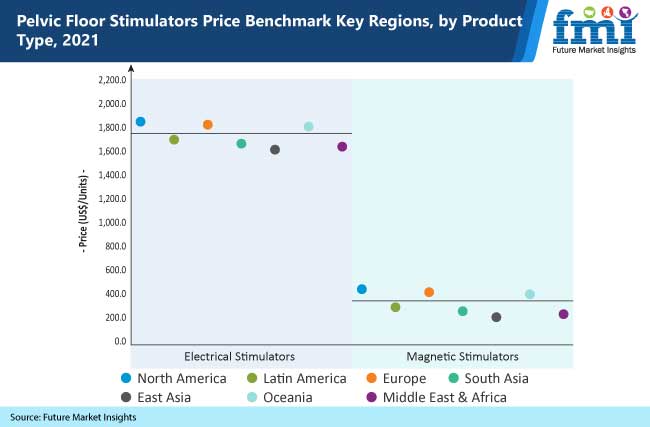
Pelvic Floor Stimulators Market
Similarly, a high level of portability and lower costs of mobile devices in contrast to fixed devices or surgical treatments, and progressive therapeutic results and easy access to patients through over-the-counter (OTC) medical channels are expected to drive demand.
Initiatives undertaken by government and non-governmental organizations to create awareness are increasing the demand for pelvic floor stimulators. For instance, the Australian government has started a program “National Continence Management Program.”
The government of Australia also started “The continence aids payment scheme (CAPS).” COVID-19 kicked the pelvic floor stimulators demand into high gear-and this extended to consumers increasing their adoption using online sales channels. However, lack of labor, halt on transportation, and disruptions in the supply chain, has affected device availability and growth prospects for the near future.
Manufacturers are focusing on research and development activities to develop unique and technologically advanced devices with rechargeable functionality. In March 2019 InControl Medical received FDA approval for a new Attain designed for at-home use to women in the U.S. suffering from stress, urge, mixed urinary incontinence or bowel incontinence.
Key Takeaways from Pelvic Floor Stimulator Market Study
Key Segments for Pelvic Floor Stimulator Market:
Leading Key Players in Pelvic Floor Stimulator Market:
About FMI:
Future Market Insights (FMI) is a leading provider of market intelligence and consulting services, serving clients in over 150 countries. FMI is headquartered in Dubai, the global financial capital, and has delivery centers in the U.S. and India. FMI’s latest market research reports and industry analysis help businesses navigate challenges and make critical decisions with confidence and clarity amidst breakneck competition. Our customized and syndicated market research reports deliver actionable insights that drive sustainable growth. A team of expert-led analysts at FMI continuously tracks emerging trends and events in a broad range of industries to ensure that our clients prepare for the evolving needs of their consumers.
Contact Us:
Mr. Debashish Roy
Unit No: AU-01-H Gold Tower (AU), Plot No: JLT-PH1-I3A,
Jumeirah Lakes Towers, Dubai,
United Arab Emirates
MARKET ACCESS DMCC Initiative
For Sales Enquiries: sales@futuremarketinsights.com
For Media Enquiries: press@futuremarketinsights.com
Website: https://www.futuremarketinsights.com
The post Pelvic Floor Stimulator Market is predicted to expand at a Healthy CAGR of over 8.8% during 2021-2031 appeared first on Industry News Analsis.
The article discusses the growth of the Pelvic Floor Stimulator Market, focusing on its expansion due to demand for urinary incontinence treatments.
Market growth is driven by the increasing prevalence of urinary incontinence, aging population, and technological advancements in portable devices.
The U.K. and Germany lead in Europe, while the U.S. dominates North America's market share.
Explore more articles in the Research Reports category