The global Insoluble Dietary Fiber Market is experiencing significant growth, with a projected valuation of US$ 2.6 billion in 2024. Over the next decade, the industry is set to expand at a 6% compound annual growth rate (CAGR), reaching a market value of US$ 4.65 billion by 2034. This surge is largely fuelled by increased awareness of digestive health, changing dietary habits, and the rising prevalence of lifestyle-related diseases such as obesity and diabetes.
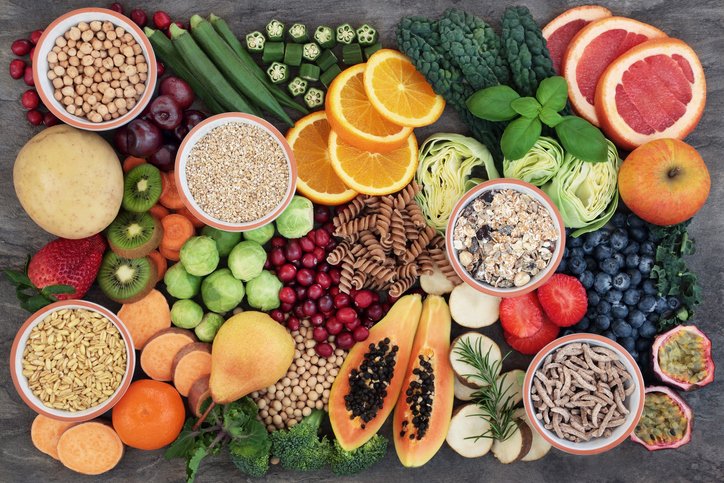
Insoluble dietary fiber is a type of carbohydrate that does not dissolve in water and is primarily sourced from plant-based materials such as whole grains, vegetables, and fruits. It plays a crucial role in promoting digestive health by improving bowel regularity and preventing constipation. Unlike soluble fiber, which forms a gel-like substance in the digestive tract, insoluble fiber adds bulk to the stool, facilitating smoother digestion and waste elimination.
Beyond digestive health, insoluble dietary fiber contributes to weight management by enhancing the feeling of fullness and reducing overall calorie intake. It also plays a role in stabilizing blood sugar levels and lowering the risk of cardiovascular diseases, making it an essential component of a balanced diet.
Market Drivers: Why Is Demand for Insoluble Dietary Fiber Increasing?
Health Awareness and the Shift Toward Preventive Healthcare:
Consumers worldwide are becoming more conscious of their dietary choices and the impact of nutrition on long-term health. Preventive healthcare practices, including the adoption of high-fiber diets, are gaining traction. The growing prevalence of conditions such as obesity, diabetes, and digestive disorders has encouraged individuals to incorporate more fiber-rich foods into their daily routines.
As consumers seek natural and functional food products that align with their health goals, the demand for insoluble dietary fiber continues to grow. This trend is further supported by government initiatives promoting dietary awareness and healthier eating habits.
Click to Request a Sample of this Report for Additional Market Insightshttps://www.factmr.com/connectus/sample?flag=S&rep_id=4459
Expansion of the Functional Food and Beverage Industry:
The increasing integration of insoluble dietary fiber in functional foods and beverages is another key factor driving market growth. Manufacturers are incorporating fiber into a wide range of products, including breakfast cereals, snack bars, baked goods, and fortified beverages. The goal is to provide consumers with convenient and enjoyable ways to meet their dietary fiber needs.
As the functional food sector expands, innovative formulations featuring insoluble dietary fiber are expected to become more prevalent, further boosting market demand.
Key Companies Profiled:
- Ingredion Incorporated
- Roquette Frères
- Unipektin Ingredients AG
- Tate & Lyle PLC
- Cargill Incorporated
- TIC GUMS Inc.
- J. Rettenmaier & Sohne GmbH & Co.
- SunOpta
- Südzucker AG
- Grain Processing Corporation
- Solvaira Specialties
- DuPont de Nemours and Company
- Others
Rising Popularity of Plant-Based and Clean-Label Products:
The clean-label movement, which emphasizes transparency in food production and the use of natural ingredients, is gaining momentum. Consumers are actively seeking plant-based, non-GMO, and minimally processed food options. Insoluble dietary fiber aligns perfectly with this trend as it is naturally derived from plant sources such as wheat bran, oats, and vegetables.
Food manufacturers are responding by introducing new products that highlight their fiber content and health benefits, making it easier for consumers to make informed dietary choices.
Market Challenges: Factors That Could Hinder Growth:
Risk of Digestive Issues Due to Excessive Consumption:
While insoluble dietary fiber is beneficial for digestive health, excessive intake without adequate fluid consumption can lead to digestive discomfort. Symptoms such as bloating, gas, and cramping may occur, especially for individuals who rapidly increase their fiber intake without allowing their bodies to adjust.
Educating consumers on the appropriate consumption of dietary fiber and emphasizing the importance of hydration can help mitigate these concerns.
Regulatory Constraints in the Pharmaceutical Sector:
The incorporation of insoluble dietary fiber into pharmaceutical products presents regulatory challenges. Strict guidelines govern the safety and efficacy of medicinal products, and meeting these requirements can be complex and time-consuming. As a result, some pharmaceutical companies may face hurdles in integrating insoluble fiber into their formulations, limiting its application within this segment.
Regional Market Trends and Growth Projections:
North America: A Leading Market for Insoluble Dietary Fiber:
North America is set to account for 28.6% of the global insoluble dietary fiber market share in 2024. The region's growing aging population, rising awareness of digestive health, and increasing preference for fiber-enriched foods are key contributors to market growth. The United States, in particular, is witnessing a surge in demand due to government-led health awareness initiatives and the prevalence of obesity.
- U.S. Market Size (2024E): US$ 533.5 million
- Projected Growth Rate (2024-2034): 6.4% CAGR
- Market Value (2034F): US$ 996.5 million
Asia-Pacific: A Rapidly Expanding Market:
The Asia-Pacific region is expected to experience substantial growth over the next decade, driven by increasing health consciousness and dietary changes. China, in particular, is emerging as a major player in the insoluble dietary fiber market, with a projected market value of US$ 1.02 billion by 2034.
The region's high reliance on natural food sources and traditional health remedies is expected to fuel demand for fiber-rich products. South Korea is also anticipated to see significant market expansion, with a forecasted market value of US$ 248.7 million by 2034.
Europe: A Stronghold for Functional Foods and Nutraceuticals:
Germany and other European countries are witnessing increased consumption of functional foods and dietary supplements enriched with insoluble fiber. The demand is being driven by a growing focus on weight management, cardiovascular health, and digestive wellness.
- Germany’s Market Trends: High adoption of high-fiber diets and the growing availability of nutraceuticals are promoting market expansion.
- Japan’s Market Trends: With an aging population at higher risk of cardiovascular diseases, the demand for insoluble fiber is rising steadily.
Innovations and Future Outlook:
Investment in Research and Product Development:
Leading companies in the insoluble dietary fiber market are investing in research and development to enhance product applications. The goal is to create innovative fiber solutions that cater to different dietary preferences and health needs.
For instance, Scottish start-up Oceanium has developed a high-fiber seaweed-based methylcellulose replacement, which can be used in plant-based meat alternatives, gluten-free bread, and beverages. This type of innovation reflects the industry's commitment to diversifying fiber sources and applications.
Emerging Startups and Market Disruption:
New entrants in the market are focusing on creating supplements and food products tailored to address specific health concerns such as obesity, high cholesterol, and diabetes. Companies are also leveraging creative marketing strategies and funding initiatives to expand their reach and increase consumer engagement.
Get a Custom Analysis for Targeted Research Solutions:https://www.factmr.com/connectus/sample?flag=S&rep_id=4459
Conclusion: The Future of Insoluble Dietary Fiber:
As health consciousness continues to rise globally, the demand for insoluble dietary fiber is expected to follow suit. The industry's growth is being propelled by increasing adoption of preventive healthcare practices, expansion of functional food categories, and innovations in fiber-enriched products. While challenges such as digestive issues and regulatory constraints exist, they are unlikely to deter the market's overall momentum.
By 2034, the insoluble dietary fiber market is poised to reach US$ 4.65 billion, marking a significant expansion from its 2024 valuation. As more consumers recognize the benefits of dietary fiber for digestion, weight management, and overall well-being, the market is set to flourish, offering new opportunities for manufacturers and investors alike.
The next decade promises to be an exciting time for the industry, with advancements in research, growing product diversity, and increasing consumer awareness driving sustainable growth.
Explore More Related Studies Published by Fact.MR Research:
00 Flour Market is currently worth US$ 2.0 billion in 2023. The global revenue is forecasted to reach a valuation of US$ 4.9 Billion by 2033.
Organic Infant Formula Market currently stands at a value of US$ 20.77 billion in 2023. The global revenue is forecasted to reach a market value of US$ 43.30 billion by 2033.
Baking Ingredient Market is expanding from an estimated $22.1 billion in 2024 to a colossal $41.48 billion by 2034, fueled by an impressive CAGR of 6.5%.
Marine Protein Market currently stands at a valuation of US$ 7,634.9 million in 2023. The global market is projected to increase at a CAGR of around 10.2% through 2033.
Liquid Dietary Supplement Market size is calculated at US$ 49.4 Bn for 2024 & is forecasted to grow at US$ 120 Bn, expanding at a stellar 9.2% CAGR by 2034
The Flavored Salt Market is expanding from an estimated $3.54 billion in 2024 to a colossal $6.4 billion by 2034, fueled by an impressive CAGR of 6.1%.