
Business
Gdpr in 2025: Compliance, Enforcement, and Strategic Risk Management
Published by Wanda Rich
Posted on April 2, 2025
10 min readLast updated: February 26, 2026
Add as preferred source on Google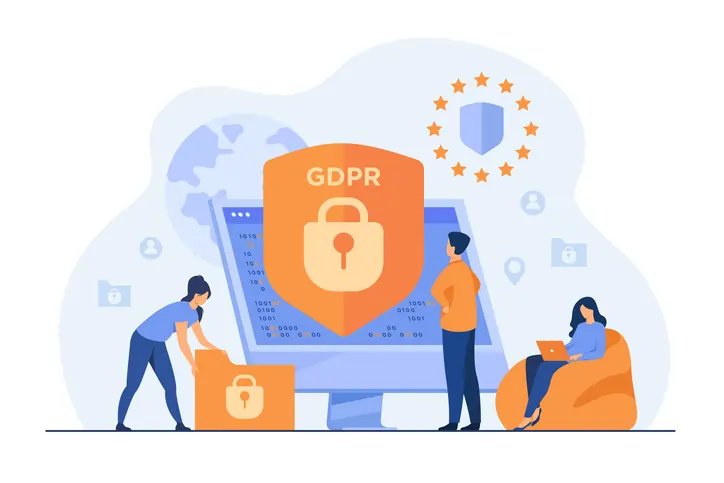
Published by Wanda Rich
Posted on April 2, 2025
10 min readLast updated: February 26, 2026
Add as preferred source on GoogleSince its enforcement in 2018, the General Data Protection Regulation (GDPR) has fundamentally reshaped how organizations collect, store, and process personal data. Designed to safeguard the rights of individuals within the European Union, GDPR has set a global benchmark for data privacy—and continu...
Since its enforcement in 2018, the General Data Protection Regulation (GDPR) has fundamentally reshaped how organizations collect, store, and process personal data. Designed to safeguard the rights of individuals within the European Union, GDPR has set a global benchmark for data privacy—and continues to evolve in both scope and enforcement.
For businesses, understanding GDPR is no longer optional. As regulatory scrutiny intensifies and expectations expand, particularly with developments related to AI, international data transfers, and SME compliance—organizations must stay proactive. This guide outlines the regulation’s core principles, recent updates, and practical strategies to help companies manage compliance effectively in 2025 and beyond.
The General Data Protection Regulation (GDPR) is the European Union’s landmark privacy law governing the collection, storage, and processing of personal data belonging to EU residents—regardless of where the business is based. It applies to any organization that handles EU personal data and enforces strict requirements for transparency, security, and accountability.
At its core, GDPR is structured around seven fundamental principles:
These principles form the foundation of GDPR and serve as a blueprint for businesses to design responsible data practices. Beyond legal compliance, the regulation is a mechanism for building consumer trust in an era of growing data sensitivity.
GDPR enforcement continues to intensify, with global fines reaching new heights. High-profile cases have underscored the serious financial consequences of non-compliance—particularly in areas such as data transfers, transparency failures, and inadequate security practices.
In 2023, Meta received a €1.2 billion fine for violating GDPR rules on international data transfers. In 2024, LinkedIn was fined €310 million, while Uber faced a €290 million penalty over its handling of driver data. According to DLA Piper’s 2025 survey, GDPR-related fines have exceeded €4 billion in total since the regulation came into effect.
These cases demonstrate that enforcement is not only targeting large tech firms but is also expanding across sectors and jurisdictions. For businesses of all sizes, the cost of non-compliance—both financial and reputational—continues to grow.
For companies operating within or serving the European Union, GDPR compliance involves more than one-off policy updates—it requires an ongoing, organization-wide commitment to data protection. While requirements vary based on business size and data handling practices, the following elements are foundational to a strong compliance program:
1. Appoint a Data Protection Officer (DPO), if required
Organizations that engage in large-scale or systematic processing of personal data must designate a Data Protection Officer. The DPO plays a critical role in monitoring compliance, advising management, and serving as the liaison with supervisory authorities and data subjects.
2. Implement Privacy by Design and Default
GDPR requires that data protection measures be embedded into every stage of system and service development. This means limiting data collection to what is necessary, ensuring robust security protocols, and using clear, informed consent mechanisms from the outset.
3. Conduct Data Protection Impact Assessments (DPIAs)
Before launching any high-risk data processing activity, businesses must evaluate potential privacy risks through DPIA. This is especially important when introducing new technologies or platforms that involve profiling, tracking, or sensitive data.
4. Strengthen Data Security
Technical and organizational safeguards must be in place to protect personal data. Key measures include:
5. Uphold Data Subject Rights
GDPR grants individuals extensive rights over their personal data. Businesses must have clear procedures in place to respond to:
Establishing and maintaining GDPR compliance requires more than policy documents—it demands a systematic approach to managing personal data across the entire organization. The following steps provide a practical framework for businesses aiming to meet regulatory expectations and reduce risk:
1. Conduct Data Mapping
Begin by identifying what personal data your organization collects, why it's collected, where it's stored, and who has access to it. This process—required under Article 30 of the GDPR—should result in a clear inventory of your data flows from collection to deletion.
2. Maintain Transparent Privacy Policies
Your privacy notice should be clear, accessible, and written in plain language. It must accurately reflect how personal data is used and be updated regularly to align with changing practices or regulatory developments.
3. Implement Robust Security Measures
Data breaches are among the most severe compliance risks. To mitigate them:
4. Enable Data Subject Rights
GDPR grants individuals several rights—including access, erasure, rectification, and data portability. Ensure your systems and processes are equipped to respond to these requests efficiently, within the one-month deadline imposed by the regulation.
5. Address Cross-Border Data Transfers
Transferring personal data outside the EU requires appropriate safeguards, particularly following the invalidation of the Privacy Shield framework. Standard Contractual Clauses (SCCs) remain the most common mechanism, but organizations must assess the legal environment of the receiving country and apply supplementary protections where needed.
6. Tailor Compliance to Your Business Size
Small businesses may not need a Data Protection Officer or full-time privacy counsel, but they are still subject to GDPR obligations. Proportionate measures—like using GDPR-compliant vendors, limiting unnecessary data collection, and automating record-keeping—can reduce exposure while maintaining regulatory compliance.
The European Commission has announced plans to simplify certain GDPR obligations, particularly for small and medium-sized enterprises (SMEs). The initiative aims to reduce compliance burdens while maintaining high standards of data protection. At the same time, regulators are expanding their focus in key areas that reflect technological and cross-border developments.
Key developments expected in 2025 include:
📌 What This Means for Businesses
Companies that leverage AI technologies, serve EU customers, or transfer data across borders should expect greater scrutiny and evolving expectations. Adapting early to these changes, especially by reviewing risk assessments and cross-border data strategies, will be essential to maintaining compliance in a more complex regulatory environment.
Small Business Considerations: How to Stay Compliant Without Overhead
Small and medium-sized enterprises (SMEs) often face resource constraints that make GDPR compliance feel overwhelming. However, meeting data protection obligations doesn’t have to require a large legal team or excessive operational overhead. With a focused approach, SMEs can build practical and proportionate compliance strategies.
Here are key considerations for smaller organizations:
For SMEs, GDPR compliance is about building sustainable habits—clear policies, responsible data practices, and simple safeguards that grow with the business.
The consequences of failing to comply with GDPR extend far beyond regulatory fines. While headline-making penalties often grab attention, the broader business risks are just as critical—and often more damaging over time.
Treating GDPR compliance as a strategic investment helps businesses avoid risk, build trust, and position themselves for growth in an increasingly regulated environment.
As digital technologies evolve and regulatory priorities shift, GDPR is expected to play an even greater role in shaping the global privacy agenda. Insights from the Future of Privacy Forum and the DPO Centre highlight key trends that will define the next phase of data protection and privacy governance.
For organizations operating in or serving the EU and the UK, staying ahead of these developments will be critical. Proactive data governance, scalable compliance strategies, and continuous monitoring of emerging obligations will be essential to success in this rapidly changing regulatory environment.
In March 2025, the European Commission announced its intention to simplify elements of the GDPR, specifically to reduce administrative burdens on small and medium-sized enterprises (SMEs). The initiative focuses on easing obligations such as record-keeping for businesses with fewer than 500 employees—without compromising the core principles of data protection.
This move reflects the Commission’s broader goal of aligning regulation with operational realities, ensuring that compliance remains both practical and effective. For SMEs, the simplification effort may open the door to more accessible pathways to compliance. For all organizations, it signals a growing emphasis on flexibility, clarity, and proportionality in data governance.
While the details of the initiative are still evolving, the message is clear: regulatory expectations are not static. Businesses that stay informed and agile in response to change will be best positioned to meet compliance demands while fostering long-term trust with customers and regulators alike.
Explore more articles in the Business category









