
Business
Exclusive-Slim Jim Maker Conagra Exploring Sale of Chef Boyardee, Sources Say
Published by Uma Rajagopal
Posted on December 6, 2024
2 min readLast updated: January 28, 2026
Add as preferred source on Google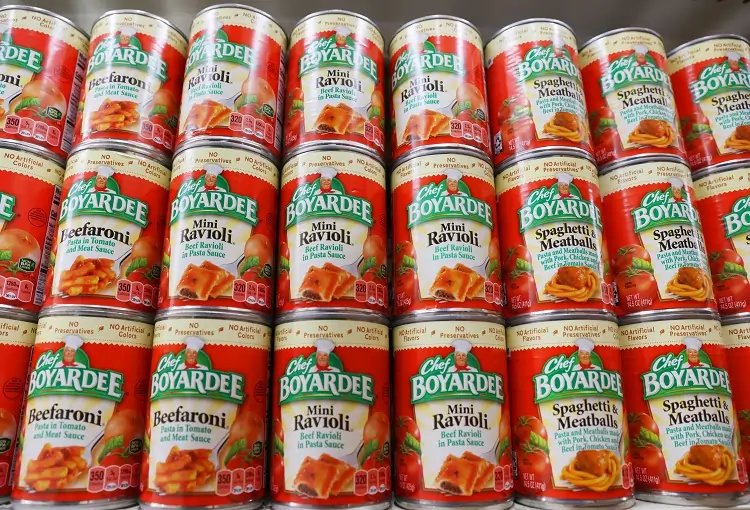
Published by Uma Rajagopal
Posted on December 6, 2024
2 min readLast updated: January 28, 2026
Add as preferred source on GoogleBy Abigail Summerville
NEW YORK (Reuters) – Conagra Brands, the maker of Slim Jim beef jerky and Healthy Choice frozen meals, is looking to sell its popular canned pasta brand Chef Boyardee, according to people familiar with the matter.
The Chicago, Illinois-based packaged food company tapped investment bank Centerview Partners to gauge interest in the business, which could be valued at well over $500 million, the sources said, requesting anonymity as the discussions are confidential.
Potential buyers for Chef Boyardee, which was named after Italian-American chef Hector Boiardi, include other packaged food companies and private equity firms, the sources said.
The move comes as Conagra is grappling with a slowdown in sales, as it attempts to weather the impact of price inflation that has forced consumers to cut back on spending on groceries.
Its shares have fallen about 16% in the past three months, giving Conagra a market value of $13 billion.
Conagra, which also owns Orville Redenbacher’s popcorn, Hunt’s ketchup and Birds Eye frozen meals, has recently launched new products, rolled out more discounts and slowed down price increases of food brands to woo customers.
As it focuses on launching new products, Conagra is looking to divest parts of its packaged foods portfolio it views as non-core. On its most recent post-earnings call, Chief Executive Sean Connolly said Conagra would look to divest “low-growth businesses,” without specifying which brands it would consider offloading.
Chef Boyardee was launched in 1928 by Italian-American chef Hector Boiardi and his brothers, who used a phonetic spelling for the brand to ensure that Americans would pronounce it correctly.
Conagra acquired Chef Boyardee, which is housed within Conagra’s grocery and snacks business, in 2000 through its $2.9 billion deal for International Home Foods.
For the 12-month period ended May 26, the segment’s net sales declined 3.1% from a year earlier, primarily due to the impact of inflation.
(Reporting by Abigail Summerville in New York; Additional reporting by Jessica DiNapoli; Editing by Mark Porter)
Equity represents ownership in a company, typically in the form of shares. It reflects the value of the company that is attributable to its shareholders.
Inflation is the rate at which the general level of prices for goods and services rises, eroding purchasing power. It is typically measured annually.
Valuations are assessments of the worth of an asset or a company, often used in financial reporting, investment analysis, and mergers and acquisitions.
Consumer perception refers to the way consumers view and interpret a brand or product, which can significantly influence their purchasing decisions.
Divestment is the process of selling off a subsidiary or business unit, often to focus on core operations or improve financial performance.
Explore more articles in the Business category









