
Business
Dulux Maker Akzo Nobel Sees Raw Material Cost Pressure Easing
Published by Wanda Rich
Posted on February 8, 2023
2 min readLast updated: February 2, 2026
Add as preferred source on Google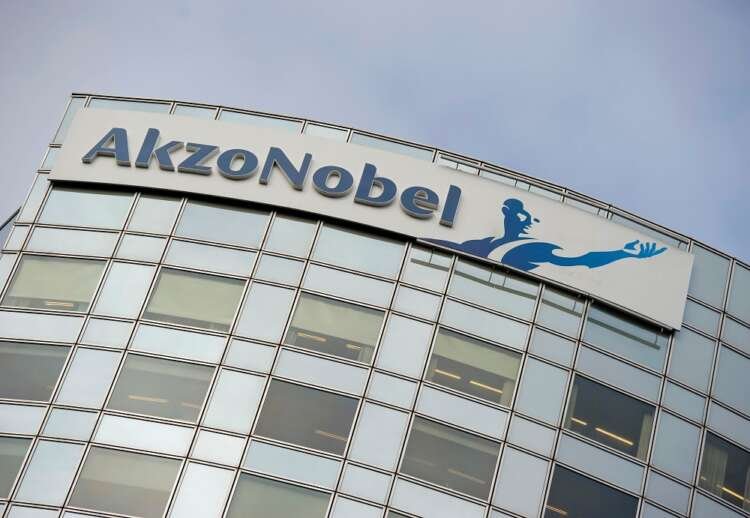
Published by Wanda Rich
Posted on February 8, 2023
2 min readLast updated: February 2, 2026
Add as preferred source on GoogleBy Olivier Sorgho
(Reuters) -Dulux paint maker Akzo Nobel said on Wednesday it expects lower raw material costs and further price hikes to boost profits this year, sending its shares 4% higher.
However, the company also said it would need to cut production capacity, bringing possible job losses, as it responds to falling demand.
Paint makers like Akzo and U.S.-based rival PPG Industries last year passed a chunk of steep raw material costs on to customers via higher prices, but have warned of waning sales volumes this year.
“There’s clearly a need to adapt capacity, that involves job losses,” Akzo’s chief executive Grégoire Poux-Guillaume said in a call with journalists.
But he added that, unlike other companies, Akzo would not announce what he termed “significant social plans” as it had already started the process in 2022.
The company also reiterated its view that price hikes were not to blame for the slowing demand.
“What we’re seeing in volumes is almost independent of what we’re doing in pricing,” Poux-Guillaume told reporters, adding the increases were still needed to compensate for inflationary effects on wages, energy and inland freight costs.
These additional costs were expected to be around 200 million euros in 2023, he said, even as declining raw material prices should boost profitability.
The group planned to keep hiking prices until April, finance chief Maarten Jan de Vries told analysts in a call, with the exception of China where Akzo was holding its prices due to market pressure and earlier easing of raw material costs.
Contacted by Reuters via email, Akzo did not rule out additional price hikes later in the year or comment on possible rewinding of some of them, citing the uncertain macroeconomic situation.
The group forecast adjusted core earnings (EBITDA) of 1.2 billion to 1.5 billion euros ($1.3-$1.6 billion) in 2023, compared with the 1.16 billion it reported for last year.
($1 = 0.9317 euros)
(Reporting by Olivier Sorgho in Gdansk; Editing by Milla Nissi, Christina Fincher and Keith Weir)
Raw material costs refer to the expenses incurred for acquiring the basic materials used in the production of goods. These costs can significantly impact the overall production expenses and pricing strategies of companies.
EBITDA stands for Earnings Before Interest, Taxes, Depreciation, and Amortization. It is a financial metric used to assess a company's operating performance and profitability without the influence of financial and accounting decisions.
Price hikes refer to increases in the selling prices of goods or services. Companies may implement price hikes to offset rising costs, such as raw materials or operational expenses, while aiming to maintain profit margins.
Production capacity is the maximum output that a company can produce in a given time period under normal conditions. It is a crucial factor in determining a company's ability to meet market demand.
Inflation is the rate at which the general level of prices for goods and services rises, eroding purchasing power. It is typically measured by the Consumer Price Index (CPI) and can impact economic conditions.
Explore more articles in the Business category









