Trading
Brics: Expanding Horizons and Welcoming New Partners
Published by Wanda Rich
Posted on January 10, 2025
8 min readLast updated: February 26, 2026
Add as preferred source on Google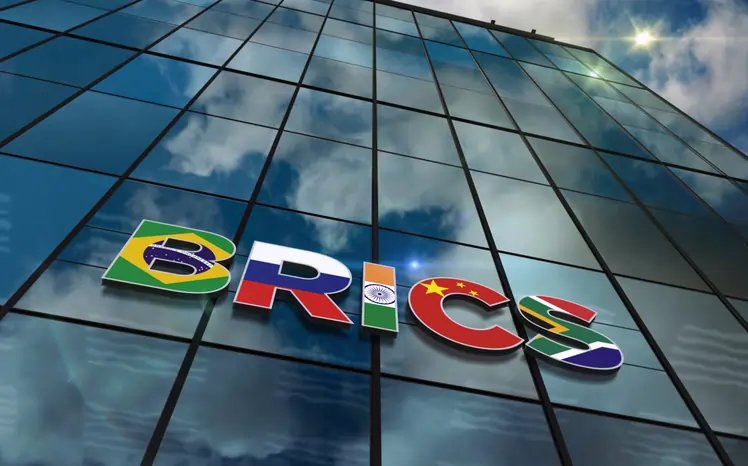
Published by Wanda Rich
Posted on January 10, 2025
8 min readLast updated: February 26, 2026
Add as preferred source on GoogleThe world is witnessing a paradigm shift in global governance and economic power dynamics, and at the forefront of this transformation is
The world is witnessing a paradigm shift in global governance and economic power dynamics, and at the forefront of this transformation is BRICS. An acronym representing Brazil, Russia, India, China, and South Africa, BRICS has emerged as a significant player in the international arena. Its expansion reflects the evolving nature of global alliances, underpinned by mutual economic interests and aspirations for a more balanced world order.
Understanding BRICS
BRICS was initially conceived as an informal grouping of major emerging economies to enhance dialogue and cooperation across economic, political, and cultural spheres. Established in 2009, its initial members—Brazil, Russia, India, and China—came together, recognizing their shared interests in fostering economic growth, advocating social justice, and reforming international financial systems dominated by Western powers. South Africa joined in 2010, solidifying BRICS's role as a significant player in global affairs.
The fundamental objective of BRICS is to create a multipolar world where economic and political dominance does not rest solely with Western countries. It aims to contribute to a fairer international order, focusing on the cooperative development of its member states and fostering partnerships that transcend geographical and ideological boundaries. The growth of BRICS countries can enhance CFD trading and Forex trading as it increases the number of emerging currency pairs and commodities that are a central focus of these countries.
BRICS Expansion and New Partnerships
A notable expansion trend has been shown within BRICS countries in recent years. New members have been welcomed into this coalition as Brazil, Russia, India, China, and South Africa recognize the growing need for increased collaboration across diverse economies. In 2023/2024, six new countries were formally inducted: Argentina, Egypt, Ethiopia, Iran, Saudi Arabia, and the United Arab Emirates. This expansion is expected to bolster further the group's economic clout and influence on the world stage.
Including these nations represents a strategic move to enhance BRICS's bargaining power in international affairs. Each new member brings unique economic resources, geopolitical advantages, and cultural diversity to the group, enriching the collective experience and potential for collaborative growth. Countries such as Saudi Arabia and the UAE contribute vast oil reserves, whereas Ethiopia represents one of the fastest-growing economies in Africa.
Economic Growth through Collective Strength
The expansion of BRICS marks a significant opportunity for economic growth for its members and the global economy. By adding more countries to its roster, BRICS enhances the collective GDP and strengthens economic ties through trade and investment. The new members signify a broader market for goods and services and a wealth of human resources, technology transfer opportunities, and diversified production capabilities.
One of the central pillars of BRICS's growth strategy is intra-group trade. As more members join, BRICS countries can foster closer economic ties, allowing for the diversification of markets and reducing reliance on traditional Western trading partners. With more members, opportunities arise for regional supply chains, increased economic cooperation, and the establishment of trade agreements that can facilitate more effortless movement of goods and services.
The collective economic strength of BRICS also has implications for global commodities markets. Enhanced demand from a larger group can influence trends in the supply and pricing of essential commodities, including energy, agricultural products, and raw materials. This collaborative purchasing power can create more stable prices and promote long-term contracts rather than volatile spot market transactions.
Impact on CFD and Forex Trading
One of the most profound implications of BRICS's expansion is its potential impact on the trading landscape, particularly for Contracts for Difference (CFD) and foreign exchange (Forex) trading.
CFD trading, or Contracts for Difference trading, is a popular financial derivative that allows traders to speculate on the price movements of various financial assets without actually owning the underlying assets.
When you enter into a CFD, you are essentially entering into a contract with a broker to exchange the difference in the value of an asset between the time you open the contract and the time you close it. If you anticipate the asset's price will rise, you will take a "buy" position (going long). Conversely, if you expect the price to fall, you would take a "sell" position (going short).
Forex trading, or foreign exchange trading, involves buying and selling currencies globally. Unlike stock trading, which is typically conducted on a centralized exchange like the New York Stock Exchange (NYSE), forex trading takes place over-the-counter (OTC). This decentralized market allows participants to trade currencies directly without a central exchange, making it the largest financial market in the world.
Market Volatility and New Trading Opportunities
With new BRICS members joining, Forex markets will likely experience increased volatility. Trading volumes may rise as the new geo-economic dynamics influence currency pairs involving the BRICS currencies, such as the Brazilian Real and the South African Rand (ZAR), and the currencies of the new entrants. Traders will need to analyze the implications of these new partnerships on currency valuations, considering factors such as economic growth, geopolitical stability, and global commodity prices.
Furthermore, the expansion can encourage new trading strategies built upon the interconnectedness of BRICS countries. Traders specializing in Forex can develop insights into how currency fluctuations might impact trade balances, investment flows, and capital movements among BRICS nations.
CFD Trading Strategies with Emerging Markets
As BRICS welcomes more partners, it enhances the prospects for CFD trading on emerging market assets. The expansion opens doors for trading on stocks, commodities, and indices from a broader range of emerging economies. DRICs (Developing and Rapidly Industrializing Countries) such as Iran, Argentina, or Ethiopia provide fresh investment opportunities with higher growth potential than stagnating Western markets.
CFD trading allows investors to leverage their positions while speculating on price movements without owning the underlying asset. This scenario particularly appeals to the current context of BRICS expansion, allowing traders to capitalize on rising stocks in newly inducted economies. For instance, investors might find rising energy sector stocks worth monitoring for potential gains. At the same time, the diversification of asset classes enhances risk management in a trader's portfolio.
For example, Brazil is one of the world's largest exporters of various commodities, thanks to its diverse agricultural and natural resources. Brazil's agricultural and mineral wealth plays a crucial role in its economy, contributing significantly to exports and employment in the country. The diversity in its commodity production enhances Brazil's global economic standing and provides resilience against market fluctuations in any product sector.
Moreover, the expanded BRICS coalition could lead to the creation of new products within the CFD marketplace. For instance, indices that track the performance of BRICS stocks collectively or the currencies of BRICS nations could be introduced, providing traders with unique products on which to speculate.
Diversification and Risk Management
The inclusion of more countries also means increased diversification opportunities. Traders can mitigate risks by spreading their investments across a broader range of assets in different economies. Economic growth in one BRICS country may offset sluggish performance in another, thus providing a buffer against market volatility.
For Forex traders, the simultaneous movement of multiple currencies can provide hedging opportunities. Monitoring interest rates, inflation rates, and economic indicators across the BRICS nations allows traders to make informed predictions about future movements and adjust their strategies accordingly.
Emerging markets' inherent volatility often presents both risks and rewards. New partnerships within BRICS may lead to excellent economic stability, fostering more predictive market trends. However, traders must remain vigilant about political developments and shifting economic policies that could impact investment climates. Forex and CFD traders focusing on emerging currencies and certain commodities will benefit from this volatility.
The Bottom Line
The ongoing expansion of BRICS is a significant development that redefines the future of global economics and international relations. The entrance of new members introduces diversified resources, economic growth potential, and a powerful unified front against traditional dominance in global governance.
As BRICS continues to enhance its influence, there will be profound implications for various sectors, mainly Forex and CFD trading. Emerging markets are ripe with opportunities, but they are accompanied by complexities that require astute analysis and agile trading strategies.
In summary, as BRICS welcomes new partners, it fosters unprecedented economic growth prospects while creating new avenues for traders. The coalition's evolution signifies a shift towards a multipolar world, emphasizing collaboration over competition and crafting a cooperative narrative that could reshape future economic engagements. The narrative is one not just of economic partnerships but also of substantial opportunities for growth, not just in emerging markets but in the trading ecosystems that thrive on them. Ultimately, for traders, this environment can herald new paths to profitability aligned with the ongoing evolution of global economic power.
Explore more articles in the Trading category