Search
00
GBAF Logo
trophy
Top StoriesInterviewsBusinessFinanceBankingTechnologyInvestingTradingVideosAwardsMagazinesHeadlinesTrends

Subscribe to our newsletter

Get the latest news and updates from our team.

Global Banking and Finance Review

Global Banking & Finance Review

Company

    GBAF Logo
    • About Us
    • Profile
    • Privacy & Cookie Policy
    • Terms of Use
    • Contact Us
    • Advertising
    • Submit Post
    • Latest News
    • Research Reports
    • Press Release
    • Awards▾
      • About the Awards
      • Awards TimeTable
      • Submit Nominations
      • Testimonials
      • Media Room
      • Award Winners
      • FAQ
    • Magazines▾
      • Global Banking & Finance Review Magazine Issue 79
      • Global Banking & Finance Review Magazine Issue 78
      • Global Banking & Finance Review Magazine Issue 77
      • Global Banking & Finance Review Magazine Issue 76
      • Global Banking & Finance Review Magazine Issue 75
      • Global Banking & Finance Review Magazine Issue 73
      • Global Banking & Finance Review Magazine Issue 71
      • Global Banking & Finance Review Magazine Issue 70
      • Global Banking & Finance Review Magazine Issue 69
      • Global Banking & Finance Review Magazine Issue 66
    Top StoriesInterviewsBusinessFinanceBankingTechnologyInvestingTradingVideosAwardsMagazinesHeadlinesTrends

    Global Banking & Finance Review® is a leading financial portal and online magazine offering News, Analysis, Opinion, Reviews, Interviews & Videos from the world of Banking, Finance, Business, Trading, Technology, Investing, Brokerage, Foreign Exchange, Tax & Legal, Islamic Finance, Asset & Wealth Management.
    Copyright © 2010-2025 GBAF Publications Ltd - All Rights Reserved.

    ;
    Editorial & Advertiser disclosure

    Global Banking and Finance Review is an online platform offering news, analysis, and opinion on the latest trends, developments, and innovations in the banking and finance industry worldwide. The platform covers a diverse range of topics, including banking, insurance, investment, wealth management, fintech, and regulatory issues. The website publishes news, press releases, opinion and advertorials on various financial organizations, products and services which are commissioned from various Companies, Organizations, PR agencies, Bloggers etc. These commissioned articles are commercial in nature. This is not to be considered as financial advice and should be considered only for information purposes. It does not reflect the views or opinion of our website and is not to be considered an endorsement or a recommendation. We cannot guarantee the accuracy or applicability of any information provided with respect to your individual or personal circumstances. Please seek Professional advice from a qualified professional before making any financial decisions. We link to various third-party websites, affiliate sales networks, and to our advertising partners websites. When you view or click on certain links available on our articles, our partners may compensate us for displaying the content to you or make a purchase or fill a form. This will not incur any additional charges to you. To make things simpler for you to identity or distinguish advertised or sponsored articles or links, you may consider all articles or links hosted on our site as a commercial article placement. We will not be responsible for any loss you may suffer as a result of any omission or inaccuracy on the website.

    Home > Trading > Analysis-Peak OPEC? Climate-focused production shift to pile pressure on pact
    Trading

    Analysis-Peak OPEC? Climate-focused production shift to pile pressure on pact

    Analysis-Peak OPEC? Climate-focused production shift to pile pressure on pact

    Published by maria gbaf

    Posted on August 12, 2021

    Featured image for article about Trading

    By Alex Lawler

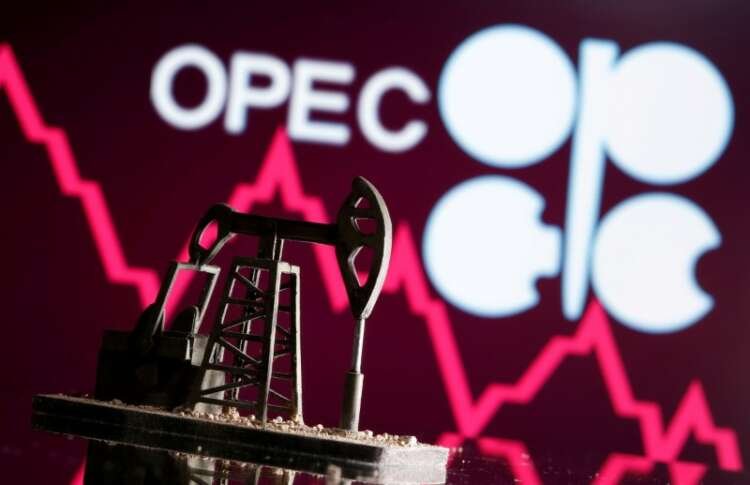
    LONDON (Reuters) – Moves to mitigate climate change are drawing peak oil demand closer, current and former OPEC officials told Reuters, potentially giving OPEC’s biggest players and their allies more power and leaving some smaller producers struggling.

    Members of the Organization of the Petroleum Exporting Countries and the so-called OPEC+ group together face the threat of a focus by the United States and China on tackling carbon emissions and plans for greater use of renewables.

    The impact on demand could trigger market share competition and spell the end to them working together on supply policy, with current and former OPEC officials and others close to the group saying they expect growing rivalry over time.

    “OPEC+ will face a major challenge in how to deal with shrinking demand but also increasing pressures to lower prices due to oversupply,” Chakib Khelil, a former Algerian oil minister and two-time OPEC president, told Reuters.

    After decades of saying oil demand will rise, OPEC last year acknowledged it will plateau, but not before the late 2030s.

    Since the COVID-19 pandemic, officials say a peak could come earlier.

    “It could happen within the next ten to twenty years, given the present trend of renewable energy use in the energy mix of major consuming countries,” Khelil said.

    OPEC whose 13 members all depend on oil sales as a main source of income, marked its 60th anniversary in September after surviving crises including the 1980-1988 Iran-Iraq war and several oil price collapses.

    And since 2017, OPEC and allies led by Russia have worked together as OPEC+ to prop up the market by limiting production.

    Graphic: Changes to OPEC’s 2030 Oil Demand Forecast, https://fingfx.thomsonreuters.com/gfx/mkt/yzdvxqmqnpx/Pasted%20image%201602158772685.png

    LOWER LONG-TERM OUTLOOK

    OPEC’s own scenario on when demand will peak is among the most distant forecast by energy companies, producers and analysts.

    Graphic: Oil Demand Trajectory to 2045, https://fingfx.thomsonreuters.com/gfx/mkt/jnvwegzdevw/Pasted%20image%201628164418926.png

    But an OPEC source told Reuters the impact of the coronavirus pandemic would likely result in a lower long-term demand forecast when the group publishes its 2021 World Oil Outlook, expected in late September.

    Other OPEC officials said that while it sees demand reaching pre-pandemic levels in 2022, downward pressure is looming.

    “OPEC may change its long-term forecast for oil demand in its 2021 report due to climate change issues and technological advances in the development of renewable energy and efficiency improvements,” an official from a major OPEC producer said.

    Demand could peak within a decade but maybe later, according to Hasan Qabazard, OPEC’s head of research from 2006 to 2013, an earlier timeframe than he gave in comments to Reuters last year.

    “The energy mix will change, there will be peak oil demand at some time in the 2030s, when combustion engine phase-out mandates start to take effect,” he said.

    “This peak demand will plateau for a long, long time to come.”

    OPEC’s Vienna headquarters did not comment when asked by Reuters about its forecasts.

    PEAK CONDITIONS

    What is altering the outlook, Khelil and some current OPEC officials say, is the greater focus by the world’s top two oil consumers on climate change.

    President Joe Biden in February took the United States back into the Paris climate deal, while China’s President Xi Jinping in December targeted a steeper cut in carbon emissions by 2030.

    If demand growth peters out, producers will be chasing fewer customers and those with the lowest production costs could see more merit in a market-share strategy, potentially weakening prices and the OPEC+ alliance.

    “Oil demand may peak quite early, even in the mid-2020s or earlier,” a senior official at a major OPEC member’s state oil company, who declined to be named, said.

    “The low-cost producers such as Saudi Arabia and the rest of the Gulf would work hard to increase their market share. The smaller and higher-cost international oil companies and countries will indeed suffer.”

    OPEC has about 80% of the world’s oil reserves of which the Middle East members Saudi Arabia, Iraq, Iran and the United Arab Emirates hold the bulk. Smaller members like Algeria and Angola, where output is declining, hold smaller amounts.

    Over the last decade, Saudi Arabia, Iraq and the UAE have added to their share of OPEC output, while that of most African producers has declined, OPEC figures show.

    Graphic: OPEC Market Share 2011-2021, https://fingfx.thomsonreuters.com/gfx/mkt/byvrjowndve/Pasted%20image%201628518938697.png

    “A peak oil demand will introduce a new form of competition between oil producers, even within OPEC,” Samuel Ciszuk, who founded ELS Analysis and used to work for Sweden’s Energy Agency, said.

    “Countries like Libya and Algeria export a lot to Europe, and Europe might have seen a peak in demand or be seeing one in the next few years. The big Gulf producers are more naturally inclined to Asia, so they will not be exposed as quickly.”

    Recent moves by OPEC+ to allocate higher baselines for supply curbs in 2022 for the biggest Gulf players show more market share going to the biggest producers already. This reallocation emerged after the UAE pushed for a higher baseline.

    The official at the major OPEC producer said that while larger OPEC+ players will be strengthened, it will not be for long.

    “Increasing OPEC’s share of the shrinking oil market will not be a long-term benefit for member countries if global oil demand is steadily declining,” he said.

    Khelil, a veteran of dozens of OPEC meetings, also expects larger producers to gain most and for the group to retain a role to play in meeting a declining oil demand.

    “Depending on the politics between the OPEC+ countries we may witness a greater competition or greater cooperation. Greater competition may create havoc for small producers, while greater cooperation could allow their continued role in OPEC+.”

    (Reporting by Alex Lawler; Editing by Alexander Smith)

    By Alex Lawler

    LONDON (Reuters) – Moves to mitigate climate change are drawing peak oil demand closer, current and former OPEC officials told Reuters, potentially giving OPEC’s biggest players and their allies more power and leaving some smaller producers struggling.

    Members of the Organization of the Petroleum Exporting Countries and the so-called OPEC+ group together face the threat of a focus by the United States and China on tackling carbon emissions and plans for greater use of renewables.

    The impact on demand could trigger market share competition and spell the end to them working together on supply policy, with current and former OPEC officials and others close to the group saying they expect growing rivalry over time.

    “OPEC+ will face a major challenge in how to deal with shrinking demand but also increasing pressures to lower prices due to oversupply,” Chakib Khelil, a former Algerian oil minister and two-time OPEC president, told Reuters.

    After decades of saying oil demand will rise, OPEC last year acknowledged it will plateau, but not before the late 2030s.

    Since the COVID-19 pandemic, officials say a peak could come earlier.

    “It could happen within the next ten to twenty years, given the present trend of renewable energy use in the energy mix of major consuming countries,” Khelil said.

    OPEC whose 13 members all depend on oil sales as a main source of income, marked its 60th anniversary in September after surviving crises including the 1980-1988 Iran-Iraq war and several oil price collapses.

    And since 2017, OPEC and allies led by Russia have worked together as OPEC+ to prop up the market by limiting production.

    Graphic: Changes to OPEC’s 2030 Oil Demand Forecast, https://fingfx.thomsonreuters.com/gfx/mkt/yzdvxqmqnpx/Pasted%20image%201602158772685.png

    LOWER LONG-TERM OUTLOOK

    OPEC’s own scenario on when demand will peak is among the most distant forecast by energy companies, producers and analysts.

    Graphic: Oil Demand Trajectory to 2045, https://fingfx.thomsonreuters.com/gfx/mkt/jnvwegzdevw/Pasted%20image%201628164418926.png

    But an OPEC source told Reuters the impact of the coronavirus pandemic would likely result in a lower long-term demand forecast when the group publishes its 2021 World Oil Outlook, expected in late September.

    Other OPEC officials said that while it sees demand reaching pre-pandemic levels in 2022, downward pressure is looming.

    “OPEC may change its long-term forecast for oil demand in its 2021 report due to climate change issues and technological advances in the development of renewable energy and efficiency improvements,” an official from a major OPEC producer said.

    Demand could peak within a decade but maybe later, according to Hasan Qabazard, OPEC’s head of research from 2006 to 2013, an earlier timeframe than he gave in comments to Reuters last year.

    “The energy mix will change, there will be peak oil demand at some time in the 2030s, when combustion engine phase-out mandates start to take effect,” he said.

    “This peak demand will plateau for a long, long time to come.”

    OPEC’s Vienna headquarters did not comment when asked by Reuters about its forecasts.

    PEAK CONDITIONS

    What is altering the outlook, Khelil and some current OPEC officials say, is the greater focus by the world’s top two oil consumers on climate change.

    President Joe Biden in February took the United States back into the Paris climate deal, while China’s President Xi Jinping in December targeted a steeper cut in carbon emissions by 2030.

    If demand growth peters out, producers will be chasing fewer customers and those with the lowest production costs could see more merit in a market-share strategy, potentially weakening prices and the OPEC+ alliance.

    “Oil demand may peak quite early, even in the mid-2020s or earlier,” a senior official at a major OPEC member’s state oil company, who declined to be named, said.

    “The low-cost producers such as Saudi Arabia and the rest of the Gulf would work hard to increase their market share. The smaller and higher-cost international oil companies and countries will indeed suffer.”

    OPEC has about 80% of the world’s oil reserves of which the Middle East members Saudi Arabia, Iraq, Iran and the United Arab Emirates hold the bulk. Smaller members like Algeria and Angola, where output is declining, hold smaller amounts.

    Over the last decade, Saudi Arabia, Iraq and the UAE have added to their share of OPEC output, while that of most African producers has declined, OPEC figures show.

    Graphic: OPEC Market Share 2011-2021, https://fingfx.thomsonreuters.com/gfx/mkt/byvrjowndve/Pasted%20image%201628518938697.png

    “A peak oil demand will introduce a new form of competition between oil producers, even within OPEC,” Samuel Ciszuk, who founded ELS Analysis and used to work for Sweden’s Energy Agency, said.

    “Countries like Libya and Algeria export a lot to Europe, and Europe might have seen a peak in demand or be seeing one in the next few years. The big Gulf producers are more naturally inclined to Asia, so they will not be exposed as quickly.”

    Recent moves by OPEC+ to allocate higher baselines for supply curbs in 2022 for the biggest Gulf players show more market share going to the biggest producers already. This reallocation emerged after the UAE pushed for a higher baseline.

    The official at the major OPEC producer said that while larger OPEC+ players will be strengthened, it will not be for long.

    “Increasing OPEC’s share of the shrinking oil market will not be a long-term benefit for member countries if global oil demand is steadily declining,” he said.

    Khelil, a veteran of dozens of OPEC meetings, also expects larger producers to gain most and for the group to retain a role to play in meeting a declining oil demand.

    “Depending on the politics between the OPEC+ countries we may witness a greater competition or greater cooperation. Greater competition may create havoc for small producers, while greater cooperation could allow their continued role in OPEC+.”

    (Reporting by Alex Lawler; Editing by Alexander Smith)

    Related Posts
    What Is a Liquidity Provider – And Why Modern Brokers Can’t Function Without One
    What Is a Liquidity Provider – And Why Modern Brokers Can’t Function Without One
    OneFunded: Prop Firm Overview and Program Structure
    OneFunded: Prop Firm Overview and Program Structure
    What if You Can Actually Chat with Your Crypto Wallet?
    What if You Can Actually Chat with Your Crypto Wallet?
    The Growing Importance of Choosing the Right Crypto Broker in 2025
    The Growing Importance of Choosing the Right Crypto Broker in 2025
    The Rise of Algorithmic Trading Among Retail Investors in the UK
    The Rise of Algorithmic Trading Among Retail Investors in the UK
    Forex Trading for the 9-to-5er: A Realistic Path to a Second Income
    Forex Trading for the 9-to-5er: A Realistic Path to a Second Income
    Quality Matters: ZiNRai’s Focus on Empowering Traders with Precision and Purpose
    Quality Matters: ZiNRai’s Focus on Empowering Traders with Precision and Purpose
    MiCA Regulations and the Legal Requirements for Crypto Presales and Token Offerings in the European Union
    MiCA Regulations and the Legal Requirements for Crypto Presales and Token Offerings in the European Union
    Top Ways Forex Traders Benefit From Peer-to-Peer Learning
    Top Ways Forex Traders Benefit From Peer-to-Peer Learning
    Why High Leverage Remains Attractive to Forex Traders Worldwide
    Why High Leverage Remains Attractive to Forex Traders Worldwide
    XDC Network’s ETP Listing Signals the Maturing Convergence of Blockchain and Trade Finance
    XDC Network’s ETP Listing Signals the Maturing Convergence of Blockchain and Trade Finance
    Inside the Perp DEX Landscape: How Platforms Like Grvt and Hyperliquid Are Shaping Their Long-Term Vision
    Inside the Perp DEX Landscape: How Platforms Like Grvt and Hyperliquid Are Shaping Their Long-Term Vision

    Why waste money on news and opinions when you can access them for free?

    Take advantage of our newsletter subscription and stay informed on the go!

    Subscribe

    Previous Trading PostFrance’s TotalEnergies to buy back shares as oil, gas prices boom
    Next Trading PostCrude futures settle higher and add gains on U.S. policy

    More from Trading

    Explore more articles in the Trading category

    Blending Theory and Practice: Building Stronger Forex Strategies

    Blending Theory and Practice: Building Stronger Forex Strategies

    Strategies for Professional CFD Traders: Tools and Company Support

    Strategies for Professional CFD Traders: Tools and Company Support

    Trust as the Cornerstone of Capital Markets

    Trust as the Cornerstone of Capital Markets

    UK Investors Reassess Trading Venues as Liquidity Shifts

    UK Investors Reassess Trading Venues as Liquidity Shifts

    Bitcoin Price Live: What Factors Influence Its Value?

    Bitcoin Price Live: What Factors Influence Its Value?

    Offshore Forex Brokers vs. U.S.-Regulated Brokers: A Risk Assessment

    Offshore Forex Brokers vs. U.S.-Regulated Brokers: A Risk Assessment

    The Broker Expo, Its Role in the Small Business World, and Everest Business Funding’s Role as Sponsor

    The Broker Expo, Its Role in the Small Business World, and Everest Business Funding’s Role as Sponsor

    Finding Your Edge with a Crypto-First Prop Firm

    Finding Your Edge with a Crypto-First Prop Firm

    Evaluating the Most Reliable Tools for Tracking Real-Time Cryptocurrency Prices

    Evaluating the Most Reliable Tools for Tracking Real-Time Cryptocurrency Prices

    MT5 vs MT4: Why More Brokers Are Moving to MetaTrader 5

    MT5 vs MT4: Why More Brokers Are Moving to MetaTrader 5

    From Central Banks to Retail Traders: Who Drives the Forex Market?

    From Central Banks to Retail Traders: Who Drives the Forex Market?

    Building a Winning Forex Portfolio: Tools and Resources You Can’t Ignore

    Building a Winning Forex Portfolio: Tools and Resources You Can’t Ignore

    View All Trading Posts