Headlines
BoE's Bailey Hopes for Less Bond Market Volatility Driven by US Tariffs
Published by Global Banking & Finance Review®
Posted on February 18, 2025
2 min readLast updated: January 26, 2026
Add as preferred source on Google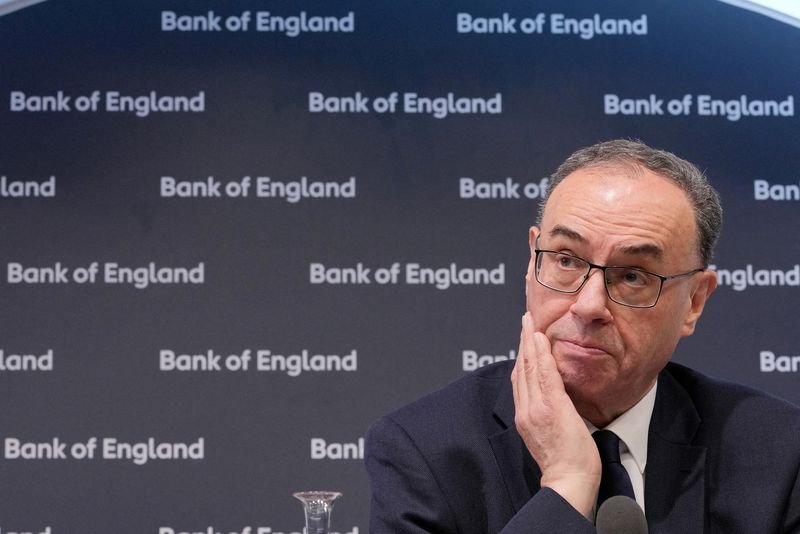
Published by Global Banking & Finance Review®
Posted on February 18, 2025
2 min readLast updated: January 26, 2026
Add as preferred source on GoogleBoE's Andrew Bailey calls for reduced bond market volatility driven by US tariffs, highlighting global inflation risks and economic growth concerns.
(Reuters) - Bank of England Governor Andrew Bailey said on Tuesday he wanted to see less volatility in medium and longer-dated bond yields that have been driven up by speculation about the trade policies of U.S. President Donald Trump.
British government borrowing costs surged and then eased in January as investors tried to price global inflation risks in the light of Trump's plan for tariffs on trade partners.
"It is what's coming out of Washington on tariffs that is moving that term premium around, day by day and hour by hour," Bailey said, referring to the extra interest investors demand for holding longer-dated debt.
"And I do agree with the comments that the new U.S. Treasury Secretary Scott Bessent said, because I do think that we'd all probably like to see less volatility on that," Bailey added at an event in Brussels organised by Bruegel, a think tank
Bessent said earlier this month that he and Trump were seeking to contain yields on 10-year U.S. government debt.
Bailey said Bessent was "very wise" to point to that part of the yield curve.
The BoE governor repeated his warning that trade barriers would hurt global economic growth but the implications for inflation were unclear.
"I do have to say that fragmentation of the world economy is negative for growth," Bailey said. "The situation for inflation in a country that faces tariffs is actually fairly ambiguous in terms of what happens, because it depends upon trade redirection, it depends upon whatever measures are taken in response and it depends upon the reaction of exchange rates."
(Writing by William Schomberg; editing by David Milliken)
Andrew Bailey stated he hopes to see less volatility in medium and longer-dated bond yields, which have been influenced by speculation regarding US tariffs.
British government borrowing costs surged and then eased as investors attempted to price global inflation risks related to Trump's tariff plans.
Bailey warned that trade barriers would negatively impact global economic growth, although the implications for inflation remain unclear.
Bailey agreed with Bessent's views on the need for less volatility in bond yields, highlighting the importance of the yield curve.
Bailey noted that the situation for inflation in countries facing tariffs is fairly ambiguous, indicating that the fragmentation of the world economy is negative for growth.
Explore more articles in the Headlines category