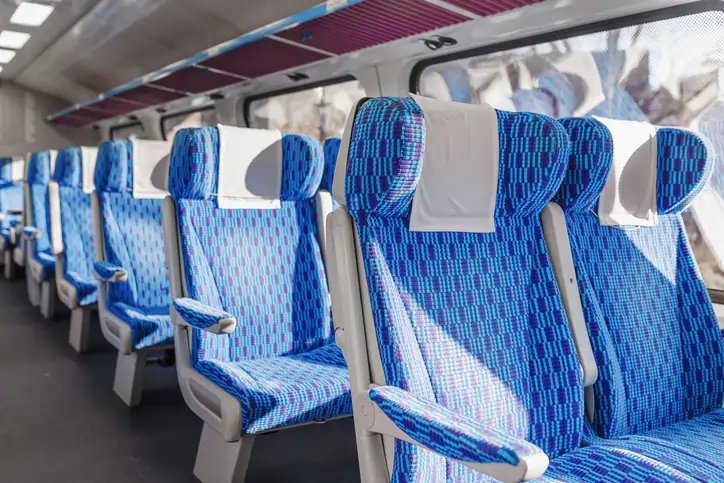
The train seat material market is witnessing steady growth, driven by rising demand for comfort, durability, and sustainability. Innovations in eco-friendly and ergonomic designs are shaping industry trends.
The projected value of the Global Train Seat Material Market is anticipated to reach US$ 175.3 million by the year 2024. The adoption rate of train seat materials is forecasted to grow at a compound annual growth rate (CAGR) of 4.9% from 2024 to 2034. By the end of 2034, it is expected that sales will have increased to a valuation of US$ 282.8 million.
The rising demand for robust, comfortable, and visually appealing seating materials is propelling market expansion, bolstered by innovations in sustainable and technologically advanced seating options. Manufacturers are increasingly utilizing eco-friendly and recyclable materials for seats, in line with global environmental standards and consumer preferences for sustainable choices. The heightened focus on passenger experience is driving the use of high-quality seat materials that provide exceptional durability and ergonomic support.
The incorporation of smart materials featuring adjustable capabilities and health-monitoring sensors is becoming more prevalent, thereby enhancing the overall travel experience. Additionally, growing investments in railway modernization and high-speed train projects globally are stimulating the need for innovative train seat materials, while strict safety and environmental regulations are shaping material selection to ensure adherence to fire resistance and durability criteria.
For More Insights into the Market, Request a Sample of this Report:https://www.factmr.com/connectus/sample?flag=S&rep_id=9494
Key Takeaways from Market Study:
- Global train seat material market projected to grow from US$ 175.3 million in 2024 to US$ 282.8 million by 2034, at a CAGR of 4.9%.
- East Asia is expected to hold 35.8% market share by 2024, driven by a cultural appreciation of innovative technology and design harmony.
- North America projected to account for 25.7% market share by 2024, emphasizing innovative technology, customized design, and sustainability.
- Startups are focusing on eco-friendly and sustainable materials to boost growth in the train seat material market.
- Economic instability and fluctuating raw material prices pose challenges to market stability and production costs.
Leading Players Driving Innovation in the Train Seat Material Market:
Magna International Inc.; Grammer AG; Freedman Seating Company; ELeather; Flexo Foam Pvt. Ltd.; iFOAM Ltd.; Delimajaya Group; Transcal Company; Rojac Urethane Limited; Rescroft Ltd.
Key Growth Drivers of the Global Train Seat Material Market:
Sustainability Initiatives: Manufacturers are placing greater emphasis on sustainable practices by creating eco-friendly and recyclable seating materials. This transition is in line with global environmental objectives and addresses the increasing consumer preference for environmentally responsible products.
Enhanced Passenger Comfort: There is an increasing focus on enhancing passenger comfort and overall experience. This trend has resulted in the use of advanced materials that provide exceptional comfort, durability, and visual appeal, aligning with the changing expectations of travelers.
Technological Advancements: The incorporation of smart technologies into seating materials, including health monitoring sensors and adjustable features, is becoming more prevalent. These advancements improve the overall travel experience and support market expansion.
Urbanization and Infrastructure Development: The rapid pace of urbanization and substantial investments in rail infrastructure, particularly in developing countries, are driving the demand for trains with high-quality seating, thus stimulating the market for train seat materials.
Regulatory Compliance: Stringent safety and environmental regulations are encouraging manufacturers to adopt materials that comply with rigorous standards, ensuring passenger safety while promoting the use of sustainable resources.
Country-wise Insights:
The train seat materials market in the United States is expected to reach a value of US$ 30.8 million in 2024, with a CAGR of 5.6% from 2024 to 2034, ultimately reaching US$ 52.9 million by 2034. The U.S. market stands out due to its strong emphasis on customization and innovative design, catering to diverse demographics with varied tastes. With an anticipated market share of 68.3% in 2024, the demand for train seat materials in the country is driven by a preference for individualized and stylish seating solutions.
American consumers seek modern aesthetics alongside comfort and durability, making customization a key factor influencing sales. This market is characterized by a unique blend of innovation in design and functionality, ensuring a tailored experience that aligns with evolving passenger expectations.
Get Customization on this Report for Specific Research Solutions:https://www.factmr.com/connectus/sample?flag=S&rep_id=9494
Train Seat Material Market News:
- In 2023, Magna launched the EcoSphereTM product family, marking a pioneering advancement in the industry by preventing the disposal of seating foam pads and trim covers in landfills. This innovative solution integrates the company's proprietary 100% Melt Recyclable Foam and Trim system with mono-material polyethylene terephthalate (PET). The EcoSphere product line comprises foam, structural components, trim padding, and sustainable trim materials.
- At Agritechnica 2023 in Hanover, Grammer AG unveiled the MSG 297/2900, a groundbreaking driver seat designed specifically for agricultural machinery. This seat merges the S2900 seat top with the newly developed MSG 297 suspension system, both engineered to deliver the same level of comfort found in high-end passenger vehicles for construction and agricultural equipment. In addition to offering "Ultimate Comfort," the all-electric MSG 297/2900, like all Grammer seats, serves as an effective operational tool, ensuring exceptional quality, long-lasting durability, optimal functionality, and extensive digital networking capabilities.
Check out More Related Studies Published by Fact.MR:
Rail Gangway Market is poised to be valued at US$ 507.6 million in 2024 and further expand at a CAGR of 4.9% to reach US$ 819 million by the end of 2034.
Train Control and Management Systems Market stands at US$ 4.82 billion in 2022, and is projected to reach US$ 5.78 billion by the end of 2031.
Railway Sleeper Market size is estimated at US$ 12.25 billion in 2024. Worldwide sales of railway sleepers are projected to rise at a CAGR of 5.7% and reach US$ 21.33 billion by the end of 2034.
Railway Traction Motors Market was valued at USD 12 billion in 2024 and has been forecast to expand at a noteworthy CAGR of 4.8% to end up at USD 20 billion by 2035.
Electronic Treadles Market is estimated to reach a valuation of US$ 209.1 million in 2022 and is forecast to surpass US$ 428.3 million by the end of 2032, expanding at a high CAGR of 7.4%.
Automatic Train Protection Signaling Market is estimated at a valuation of US$ 3.65 billion in 2024 and further expand at a CAGR of 7.9% to end up at US$ 7.81 billion by the year 2034.
Rail Pads Market is mandatory to provide, quiet, comfortable and safe ride to the passengers. Mats put between the steel rails and tie sleepers made out of polyurethane (thermosetting polymer) are called as rail pads, it protects the sleeper tops from wearing and impacts such as abrasion and crushing under the rail foot.