Investing
Sterling Hovers Near One-Month Low Ahead of US Inflation Print
Published by Uma Rajagopal
Posted on October 10, 2024
2 min readLast updated: January 29, 2026
Add as preferred source on Google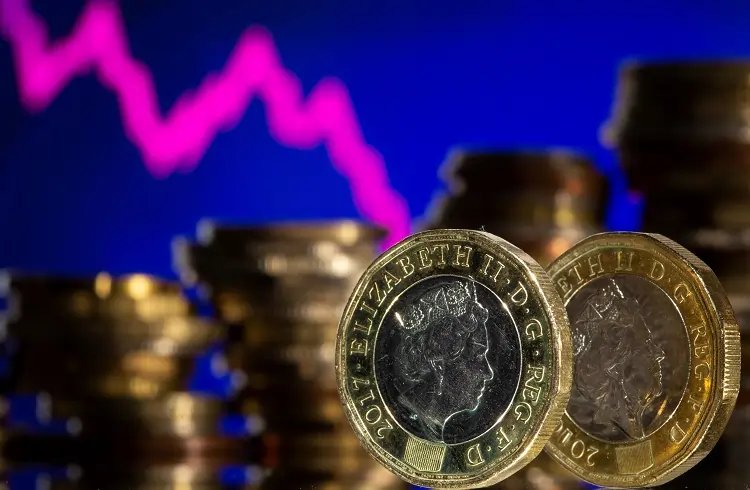
Published by Uma Rajagopal
Posted on October 10, 2024
2 min readLast updated: January 29, 2026
Add as preferred source on GoogleLONDON (Reuters) – The pound was flat on Thursday, hovering near its lowest level against the dollar in a month, as traders maintained a cautious stance and waited for potentially market-moving U.S. inflation data due later in the day.
LONDON (Reuters) – The pound was flat on Thursday, hovering near its lowest level against the dollar in a month, as traders maintained a cautious stance and waited for potentially market-moving U.S. inflation data due later in the day.
Sterling held its ground at $1.3076, up marginally from Wednesday’s trough of $1.3057, its lowest since Sept. 12.
The U.S. economy and the dollar have been driving global markets over the last week or so, after a much stronger-than-expected September employment report caused investors to scrub out their bets on another outsized interest rate cut from the Federal Reserve.
As markets have recalibrated, U.S. bond yields have climbed relative to other countries, boosting the appeal of the dollar.
“(The market’s expectations of) the Fed’s terminal rate for this easing cycle has been repriced 50 basis points higher over the last few weeks,” said Chris Turner, global head of markets at ING. “And short-dated yields have moved significantly in the dollar’s favour.”
The pound has fared better against the euro – a reflection of the relative strength of the British economy compared with the euro zone.
Germany’s economy is likely to contract by 0.2% in 2024, the economy ministry said on Wednesday, which would be its second consecutive year of shrinking output.
The euro has fallen around 1% against the pound over the last month, and was trading lower again on Thursday at 83.60 pence.
Currency markets were subdued ahead of U.S. consumer price index data for September, due at 1230 GMT, which is likely to show that inflation eased to 2.3% from 2.5% in August, according to economists polled by Reuters.
(Reporting by Harry Robertson; Editing by Sherry Jacob-Phillips)
Inflation is the rate at which the general level of prices for goods and services rises, eroding purchasing power. It is typically measured by the Consumer Price Index (CPI) or the Producer Price Index (PPI).
The Federal Reserve, often referred to as the Fed, is the central bank of the United States. It regulates the U.S. monetary and financial system, aiming to provide a safe and flexible financial environment.
The Consumer Price Index (CPI) measures the average change over time in the prices paid by consumers for a basket of goods and services. It is a key indicator of inflation.
Currency hedging is a financial strategy used to reduce the risk of adverse price movements in foreign exchange rates. It involves using financial instruments to protect against potential losses.
Explore more articles in the Investing category