
Research Reports
Sodium Silicate Market Expected to Reach Us$ 5.6 Bn & 3% Cagr Through 2021-2029
Published by mark itwired
Posted on October 11, 2021
3 min readLast updated: January 29, 2026
Add as preferred source on Google
Published by mark itwired
Posted on October 11, 2021
3 min readLast updated: January 29, 2026
Add as preferred source on GoogleThe sodium silicate market is set to reach $5.6 billion by 2029, growing at a 3% CAGR. Key applications in healthcare and industrial sectors drive this growth.
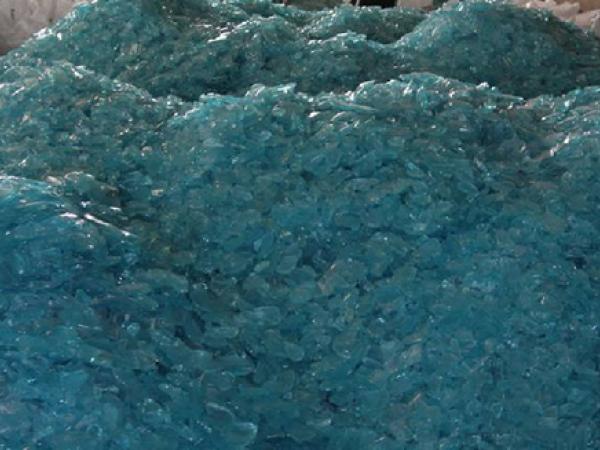
The sodium silicate market has been estimated to expand at a moderate pace throughout the forecast period between 2019 and 2029, with a 3% CAGR. Nationwide lockdown restrictions set up by governments, and the resultant suspension of industrial activities in many countries is reducing short term demand for sodium silicate. Disruptions in supply chains and production facilities are also likely to influence the market in the near term.
“Sodium silicate finds critical roles in a wide range of industries ranging from healthcare, food, paper and pulp, detergents, and elastomers among others. Such roles of its derivatives are expected to uplift prospects through the forecasting period,” says the FMI analyst.
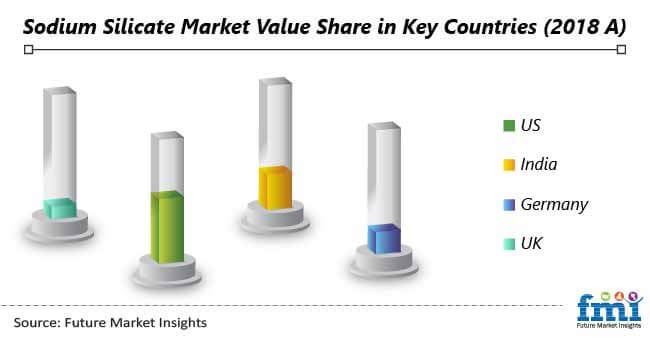
Request a report sample to gain comprehensive market insights at https://www.futuremarketinsights.com/reports/sample/rep-gb-11173
Sodium Silicate Market – Important Takeaways
Sodium Silicate Market – Driving Factors
Sodium Silicate Market – Leading Constraints
For information on the Research Approach used in the Report, Request Methodology@ https://www.futuremarketinsights.com/askus/rep-gb-11173
Expected Impact on Market by Coronavirus Outbreak
The impact of the coronavirus pandemic on the sodium silicate market has largely been negative. Disruptions to supply chains for raw materials, restrictions on international trade, and substantial slumps in industrial activity of varied sectors have limited short term growth prospects. On the other hand, applications of derivatives in the food & beverage and pharmaceutical industries are generating niche growth opportunities to partially recoup losses during this period.
Competition Landscape
Some of the top players operating in the sodium silicate market are IQE Group, American Elements, Evonik Industries AG, J.M. Huber Corp., Nippon Chemical Industrial, Malpro Silica Pvt. Ltd., BASF SE, PPG Industries, Tokuyama Corp., Qingdao Dongyue Sodium Silicate Co Ltd., and Shijiazhuang Shuanglian Chemical Industry.
Participants in the sodium silicate market are investing in the expansion of production capacities with strategic acquisitions or facility expansions largely aiming towards geographical penetration.
For instance, Advanced Refining Technologies has completed the expansion of its hydro-processing catalyst plant near Lake Charles, which will also include the production of sodium silicate. Evonik Industries AG has entered an agreement to acquire J.M. Huber Corp.’s silica business. Grand Maritime Port of Marseille has acquired the Quechen Silicon Chemical facility in Fos-sur-Mer, which aim to provide materials to the tire industry.
The global sodium silicate market is segmented in detail to cover every aspect of the market and present a complete market intelligence approach to readers.
By Application
By Region
The post Sodium Silicate Market expected to reach US$ 5.6 Bn & 3% CAGR through 2021-2029 appeared first on Industry News Analsis.
The article discusses the growth and forecast of the sodium silicate market, expected to reach $5.6 billion by 2029.
How has the coronavirus pandemic impacted the sodium silicate market?
What are the main applications driving sodium silicate market growth?
Explore more articles in the Research Reports category