
Finance
How to Improve Your Credit Score: A Guide
Published by Gbaf News
Posted on June 1, 2020
7 min readLast updated: January 21, 2026
Add as preferred source on Google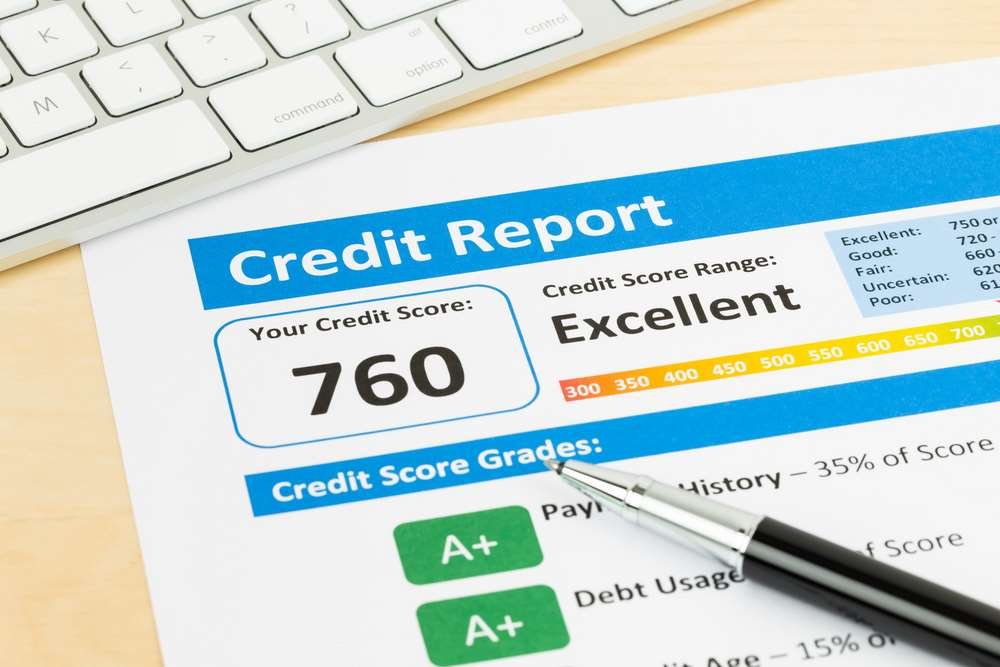
Published by Gbaf News
Posted on June 1, 2020
7 min readLast updated: January 21, 2026
Add as preferred source on GoogleLiving in the era of America’s worst consumer debt crisis makes one hyper-aware of one’s own creditworthiness. If, like most of the country, are pursuing financial independence, one of the most important metrics you need to keep an eye on is your credit score. Whether you’re looking to get a loan or just a credit card, this is the one thing every financial institution is going to check before decisions are made.
In this article, we will give you five tips on how to improve your credit score and maintain it. But before we get to that, it’s important to understand what a good credit score is. The range of credit scores is 300-850. Anything below 670 is considered poor; these are the scores for which credit lines and loans are rejected. So, you only need to work on improving your credit score if it is currently below 670.
Having said that, let’s talk about the five ways in which you can improve your credit score.
As mentioned above, your credit score is a numerical value in the range of 300-850. It is derived from the information in your credit files which are assessed by lenders and landlords. This is done to assess your creditworthiness. Your credit score changes over time to depict your current financial behavior, be it positive or negative.
A credit report is a summation of your finances. Pending loans and debts paid are part of your credit reports. Whenever you apply for a loan, the company or institution requests your credit report from a credit-reporting agency. Credit reports are lengthy and require a lot of time to examine accurately. Sometimes, your reports may be inaccurate due to a variety of reasons. Lenders may reject your credit applications due to this.
Credit repair companies like Lexington Law assist you in analyzing your credit and disputing inaccuracies with credit card companies and bureaus. They analyze and review your reports with expertise, and provide suggestions wherever necessary. How long credit repair takes varies from case to case. Some cases may be easily resolved, but more serious issues like identity theft will require legal intervention and inevitably take longer.
If you find inaccuracies in your credit report, you may need to seek help from legal experts or lawyers, depending on how severe your case is.
There are four types of errors while reporting credit. Typical errors include accounts that don’t belong to you, duplicate accounts, inaccurate accounts, and incorrect inquiries. A credit repair company like Lexington Law, which is operated by a team of lawyers, can directly correspond with the credit bureaus and creditors on your behalf to have even the most complex issues resolved. For example, if you are charged for a large transaction you did not authorise, and you try to report this yourself, you are bound to make at least a few small errors. Instead, if you let Lexington Law handle this for you, they will take care of all the nuanced steps, including contacting the institutions that provided your information to the credit bureaus.
The most time-tested method for improving your credit score is paying your bills on time. Every time your bill payment is delayed, you run the risk of having it show up in your credit report. Negative remarks regarding delayed payments in your credit report will reduce your credit score.
Not paying your bill for 30 days after the due date immediately reduces your credit score. Things get more and more serious the longer you take to pay your bill. In 60 days, your score drops once again, this time more significantly. At the end of 90 days of non-payment after the due date, the creditor places a permanent delayed payment remark on your credit report. This is much more harmful to your creditworthiness than a mere drop in your credit score.
Moreover, late payment attracts exorbitant interest rates in most cases. To be clear: credit attracts interest in general, but the rate of interest rises steeply for any amount that isn’t paid on or before the due date. If you have a minimum payment policy, the balance amount will be charged with a much higher interest rate. For example, suppose you have a bill of $1000 (including 15% interest) in a given month, and you make the minimum payment required, which is $140. The creditor can then charge the remaining $860 with an interest rate as high as 30%. The later you pay the full bill amount, the higher these interest rates can climb.
To avoid having your credit score drop, getting negative remarks on your credit report, or opening yourself up to massive interest rates, ensure you pay your credit card bills on time.
A complete, nuanced understanding of the basic terms related to your creditworthiness will go a long way in helping you improve your credit score. That’s exactly what Lexington Law helps you develop.
An example of the kind of basics you need to understand is the difference between credit repair companies and credit counseling organizations. Credit counseling organizations are non-profit and assist you in debt and finance management. Credit repair companies such as Lexington Law, on the other hand, assist you with fixing inaccuracies in your credit report and advising you on how to improve your credit score.
Another basic thing you need to know is the concept of hard and soft inquiries. If you apply for a new line of credit, whether in the form of a loan or a credit card, the lender will ask credit bureaus for your credit report. This is known as a hard inquiry, and it is recorded on your credit score. A soft inquiry is when you ask the credit bureau for your own credit report, or when a lender does so on its own to pre-approve you for an offer of credit. Soft inquiries do not show on your credit report.
Knowing these things can heavily influence your actions when it comes to handling credit.
Suppose you have three lines of credit. Each has a different revolving credit limit. In short, revolving credit is a system of credit without a specific end date. The most common example of this is a credit card.
To understand the concept of the 30% Rule, let’s say you have three credit cards. Card 1 has a line of $5,000 with a balance of $1,500. Card 2 has a line of $10,000 with a balance of $2,500. Card 3 has a line of $8,000 with a balance of $2,000. The total credit available to you is $23,000, with the total credit you’ve used is $6,000. The percentage of credit being utilized here is $6,000 divided by $23,000, multiplied by 100. This comes to 26.08% of the total credit being utilized.
Experts recommend that you should use a total of 30% or less of the credit available to you. People who spend above 30% of their total credit limits are generally seen as credit-hungry by financial institutions. Hence, they are given a higher rate of interest. You can use your card’s high balance feature to avoid adding new charges if the credit utilization ratio is exceeding 30%.
To help improve your credit score, you can get another credit card and use it minimally, i.e. for grocery shopping or mobile phone recharges. Why another card? Because when you get an additional credit card and use very little of the credit available on it, creditors see that you are not hungry for more credit.
Your credit score will not improve over a week or a month, but it can rise if you do regular checks. Ensure your monthly credit card bills are paid on time to avoid high interests and late fees. A good credit score stands anywhere between 670-739, out of 850. Seek advice from credit repair companies like Lexington Law, whose quick and hassle-free services ensure your credit problems are resolved quickly and reliably.
Explore more articles in the Finance category
