
Search
00
GBAF Logo
trophy
Top StoriesInterviewsBusinessFinanceBankingTechnologyInvestingTradingVideosAwardsMagazinesHeadlinesTrends

Subscribe to our newsletter

Get the latest news and updates from our team.

Global Banking & Finance Review®

Global Banking & Finance Review® - Subscribe to our newsletter

Company

    GBAF Logo
    • About Us
    • Advertising and Sponsorship
    • Profile & Readership
    • Contact Us
    • Latest News
    • Privacy & Cookies Policies
    • Terms of Use
    • Advertising Terms
    • Issue 81
    • Issue 80
    • Issue 79
    • Issue 78
    • Issue 77
    • Issue 76
    • Issue 75
    • Issue 74
    • Issue 73
    • Issue 72
    • Issue 71
    • Issue 70
    • View All
    • About the Awards
    • Awards Timetable
    • Awards Winners
    • Submit Nominations
    • Testimonials
    • Media Room
    • FAQ
    • Asset Management Awards
    • Brand of the Year Awards
    • Business Awards
    • Cash Management Banking Awards
    • Banking Technology Awards
    • CEO Awards
    • Customer Service Awards
    • CSR Awards
    • Deal of the Year Awards
    • Corporate Governance Awards
    • Corporate Banking Awards
    • Digital Transformation Awards
    • Fintech Awards
    • Education & Training Awards
    • ESG & Sustainability Awards
    • ESG Awards
    • Forex Banking Awards
    • Innovation Awards
    • Insurance & Takaful Awards
    • Investment Banking Awards
    • Investor Relations Awards
    • Leadership Awards
    • Islamic Banking Awards
    • Real Estate Awards
    • Project Finance Awards
    • Process & Product Awards
    • Telecommunication Awards
    • HR & Recruitment Awards
    • Trade Finance Awards
    • The Next 100 Global Awards
    • Wealth Management Awards
    • Travel Awards
    • Years of Excellence Awards
    • Publishing Principles
    • Ownership & Funding
    • Corrections Policy
    • Editorial Code of Ethics
    • Diversity & Inclusion Policy
    • Fact Checking Policy
    Original content: Global Banking and Finance Review - https://www.globalbankingandfinance.com

    A global financial intelligence and recognition platform delivering authoritative insights, data-driven analysis, and institutional benchmarking across Banking, Capital Markets, Investment, Technology, and Financial Infrastructure.

    Copyright © 2010-2026 - All Rights Reserved. | Sitemap | Tags

    Editorial & Advertiser disclosure

    Global Banking & Finance Review® is an online platform offering news, analysis, and opinion on the latest trends, developments, and innovations in the banking and finance industry worldwide. The platform covers a diverse range of topics, including banking, insurance, investment, wealth management, fintech, and regulatory issues. The website publishes news, press releases, opinion and advertorials on various financial organizations, products and services which are commissioned from various Companies, Organizations, PR agencies, Bloggers etc. These commissioned articles are commercial in nature. This is not to be considered as financial advice and should be considered only for information purposes. It does not reflect the views or opinion of our website and is not to be considered an endorsement or a recommendation. We cannot guarantee the accuracy or applicability of any information provided with respect to your individual or personal circumstances. Please seek Professional advice from a qualified professional before making any financial decisions. We link to various third-party websites, affiliate sales networks, and to our advertising partners websites. When you view or click on certain links available on our articles, our partners may compensate us for displaying the content to you or make a purchase or fill a form. This will not incur any additional charges to you. To make things simpler for you to identity or distinguish advertised or sponsored articles or links, you may consider all articles or links hosted on our site as a commercial article placement. We will not be responsible for any loss you may suffer as a result of any omission or inaccuracy on the website.

    1. Home
    2. >Finance
    3. >How technology is changing the late payments culture
    Finance

    How Technology Is Changing the Late Payments Culture

    Published by Gbaf News

    Posted on November 12, 2019

    5 min read

    Last updated: January 21, 2026

    Add as preferred source on Google
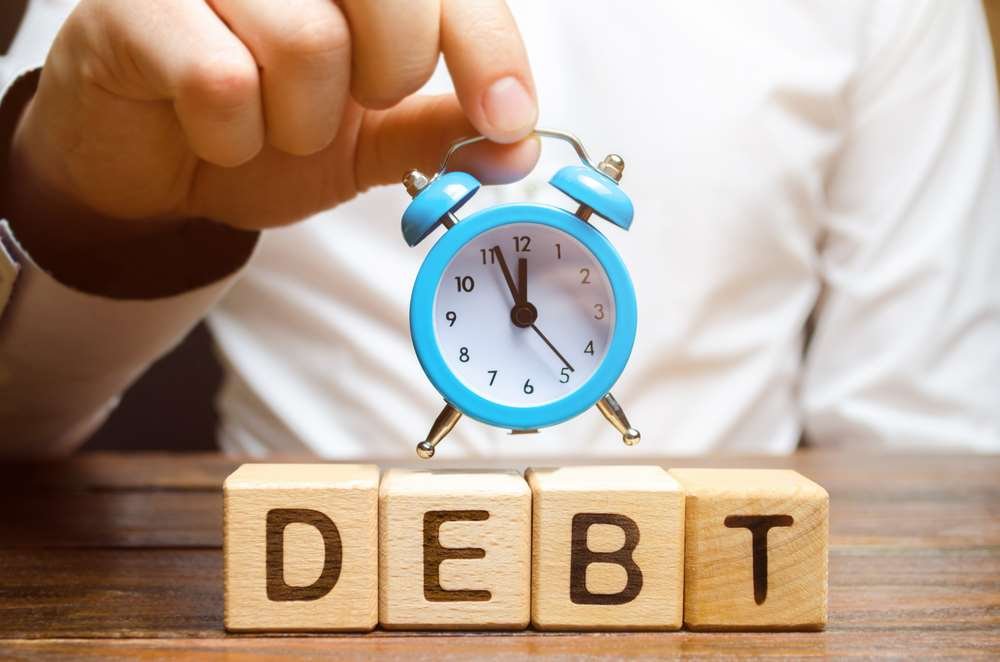
    An illustrative image depicting the role of technology in addressing late payment issues faced by small businesses. This relates to the article's discussion on how innovations like Open Banking are changing payment cultures in finance.
    Illustration of technology transforming late payments culture in finance - Global Banking & Finance Review
    Why waste money on news and opinion when you can access them for free?

    Take advantage of our newsletter subscription and stay informed on the go!

    Subscribe

    By Edward Berks, Director of Platform Business, UK & EMEA

    Edward Berks is Director of Platform Business at Xero, leveraging Open Banking and PSD2 to realise the next generation of services for Xero customers. He is also passionate about enabling success for small businesses and brings first-hand experience of the challenges faced by entrepreneurs.

    Late payment is one of the biggest issues facing small businesses today. Analysis from Xero’s Small Business Insights platform shows that over half of invoices issued by our small business subscribers are paid late, resulting in 54 per cent of these businesses starting the year in negative cash flow.

    However, this is not just a business issue. With almost 6 million small businesses in the UK, we all either run a small business, work for a small business, or are close to someone who does. The impact of these late payments on physical and mental health is considerable, and it’s reaching a crisis.

    According to research we conducted with PayPal recently, in the last 12 months, over half of small businesses have raided their personal savings or been forced to borrow from friends and family, to keep their business afloat.

    The Government has made steps to level the playing field. This includes taking steps to ensure big businesses improve their payment practices. The office of the Small Business Commissioner was set up to look at late payments and there has been a consultation on whether to make a board director responsible for creating better payment practices. These are good ideas, but it’s clear there is still a problem.

    The scale of the issue

    Xero’s Small Business Insights shows that the average British small business is owed £24,841 in late payments on any given day. This equates to 11 months’ average staff wages, or almost 10% of the average turnover of a small business, suggesting that the UK’s small business economy as a whole is burdened with £141bn of late payments.

    In the days when invoices had to be physically passed between different departments, there might have been an excuse for this. But not anymore. The question company boards must ask themselves is: is it appropriate that they are using their small suppliers as a source of finance?

    The impact

    Poor cash flow can force small business owners to live invoice-to-invoice and spend their time chasing debtors, with no ability to plan and creating insecurity for employees and creditors. And due to late payments, it is estimated that some 50,000 small businesses fail each year due to cash-flow issues – according to data from the Federation of Small Businesses.

    Late payments can damage a firm’s credit score, making it increasingly harder to raise funds and in turn affecting the firm’s financial profile. Small firms already find accessing finance difficult, so having to deal with late payments only makes matters worse. According to research, 62 per cent of small businesses don’t think they could survive more than three months if their outstanding invoices were left unpaid.

    Improving national productivity means helping companies to get access to finance and addressing late payments which tie up working capital and stifle innovation. These issues go right to the heart of the productivity debate in the UK today and ultimately have a knock on effect on the wider economy.

    The solution

    Whilst changing the payment habits of your customers might not always be possible, small business owners can take simple steps to remove some of the barriers that create late payments. Be clear with clients about the importance of getting paid on time, so you can survive as a business – and pay other stakeholders. Terms are there for a reason, so consider implementing interest charges on late payers to try and break bad habits.

    The good news is that there is a progressive awakening  as businesses create policies on the environment, diversity and responsible business. And the next to be added to this is payment culture. Businesses need to have a cultural mindset shift which prioritises paying bills on time.

    It may sound obvious, but the easier it is to pay an individual or business, the quicker you’ll pay. Bringing a great billing and payments experience to your customers should be a high priority for every business – a difficult or technical process will only encourage those who owe to put off payment for longer.

    For those that already use cloud accounting software, you can add payment services directly to online invoices to give customers more ways to pay and see when it’s been opened and viewed, and send automated reminder notices. Data from Xero shows that invoices with a ‘Pay Now’ option, to take credit card payment with Stripe or to easily set up a Direct Debit with GoCardless, get paid typically in half the time of those that don’t.

    Quicker, simpler payment has enormous value to any business, so it makes sense for accountants and bookkeepers to improve their client’s cash flow by using software and apps to tackle late payments. This will also give businesses and their advisors time back to focus on the things that matter – like building strong relationships and focusing on growth.

    Tackling the issue of late payments is vital in enabling small businesses to reach their full productive potential and improve not only the growth of their business, but the growth of the UK economy at this critical time.

    More from Finance

    Explore more articles in the Finance category

    Image for Blaze at Russia's Baltic Sea port of Ust-Luga after major Ukrainian drone attack
    Blaze at Russia's Baltic Sea Port of Ust-Luga After Major Ukrainian Drone Attack
    Image for Morning Bid: Deal, or no deal?
    Morning Bid: Deal, or No Deal?
    Image for Labubu maker Pop Mart meets 2025 revenue expectations
    Labubu Maker Pop Mart Meets 2025 Revenue Expectations
    Image for Israel strikes Tehran as Trump says US negotiating to end war
    Israel Strikes Tehran as Trump Says US Negotiating to End War
    Image for South Korea, Germany exposed to rare earths shortage, Australia's Arafura says
    South Korea, Germany Exposed to Rare Earths Shortage, Australia's Arafura Says
    Image for Currency markets drift as traders sceptical of US efforts to end Iran war
    Currency Markets Drift as Traders Sceptical of US Efforts to End Iran War
    Image for Stocks bounce and oil retreats on Mideast ceasefire reports
    Stocks Bounce and Oil Retreats on Mideast Ceasefire Reports
    Image for Equinor CEO says EU unlikely to increase Russian gas imports
    Equinor CEO Says EU Unlikely to Increase Russian Gas Imports
    Image for Openreach taps Google AI to speed fibre rollout, cut emissions
    Openreach Taps Google AI to Speed Fibre Rollout, Cut Emissions
    Image for UK consumer sentiment falls as Iran war rages, KPMG says
    UK Consumer Sentiment Falls as Iran War Rages, Kpmg Says
    Image for US oil prices fall on prospect of Middle East ceasefire easing supply disruption
    US Oil Prices Fall on Prospect of Middle East Ceasefire Easing Supply Disruption
    Image for Lamborghinis stranded in Sri Lanka as war disrupts Asia's used-car trade 
    Lamborghinis Stranded in Sri Lanka as War Disrupts Asia's Used-Car Trade 
    View All Finance Posts
    Previous Finance PostShould I Sell My Tokens Before or After Token Swap?
    Next Finance PostCould Development Finance Be the Saving Grace of the Real Estate Sector?