Business
Decentralized Masters’ ‘family culture’ building trust instead of hierarchy
Published by Barnali Pal Sinha
Posted on March 18, 2026
5 min readLast updated: March 18, 2026
Published by Barnali Pal Sinha
Posted on March 18, 2026
5 min readLast updated: March 18, 2026
Costa Rica is one of the world’s premier vacation destinations, and perhaps an even better off-site work destination.
Costa Rica is one of the world’s premier vacation destinations, and perhaps an even better off-site work destination.
As off-site work culture gains traction for fostering collaboration, boosting morale, and reducing burnout in teams, progressive new-age companies are going the extra mile to ensure the well-being of their employees.
Imagine a group of cryptocurrency analysts discussing blockchain protocols over coffee on a late morning at a seaside resort, then hiking through hill trails in the afternoon. By evening, they’re back online, dissecting DeFi strategies with clients across continents.
Decentralized Masters (DM), a DeFi education firm based in Dubai, whose off-site in Costa Rica drew attention in the Web3 community recently, is offering an unlikely mix of retreat and rigor as a workplace. For the company’s 120-plus employees - a team that includes investment bankers, artificial-intelligence specialists, and blockchain analysts - the gathering was not simply a getaway but an extension of a philosophy the founders call a “family culture.” It’s a workplace model built on radical accessibility, minimal hierarchy, and an emphasis on emotional trust.
In knowledge-intensive companies where expertise is widely distributed across employees, collaborative networks are vital for getting work done, and Decentralized Masters’ collaborative culture - a zero-bureaucracy model of workplace - aims to take it even further. Research by the McKinsey Health Institute in collaboration with the World Economic Forum indicates that enhanced employee health and well-being could generate up to $11.7 trillion in global economic value.
Founders Tan Gera and Salim Elhila argue that the most powerful asset in DeFi is not technology or capital but the trust between people building it. At DM, growth is framed as an employee success engine, where collaboration mirrors community support, and performance without burnout is a priority.
“DeFi is a land of opportunities where everyone is entitled to be ambitious. But ambition without trust crumbles. Our trust-based teamwork turns individual drive into collective wins,” says Tan.
Tan attributes the company’s success to his team’s long association.
Psychological safety, a must in modern offices, manifests as attachment-style trust mirroring the secure bonds across teams, engineered through daily rituals that prioritize well-being over valuation.
Central to Decentralized Masters’ shift is founders Tan Gera and Salim Elhila’s radical accessibility, as they function as an “emotional resource hub.”
At DM, transparency builds the trust anchor that shapes founder accessibility. Tan and Salim's energy flows through trust and inspiration.
In Dubai's competitive scene, where burnout plagues fintech, this model sets a precedent. It proves that founders' daily involvement in channeling relational energy into insights leads to tangible returns. Though the founders admit there is always the fear of professional boundaries getting blurred, they argue that transparency and voluntary participation prevent that dynamic.
DM’s collaborative environment transforms employee development into a customer success mechanism. With over 35 analysts forming a high-trust network, growth mindsets directly contribute to improved outcomes for program participants.
“We collaborate like a family, dissecting protocols together. Empathy ensures we're resilient, delivering high-quality education while supporting team well-being,” says co-founder Salim Elhila.
Employees consistently highlight the value of diverse expertise and supportive teamwork, which strengthens knowledge-sharing and innovation.
Dubai’s diverse talent pool allows DM to preserve voices from multiple backgrounds while fostering inclusive DeFi education. Flat hierarchies encourage “multiple minds thinking as one” without suppressing cognitive diversity. Cross-team brainstorming sessions have produced proprietary tools and educational resources, demonstrating how team culture can drive innovation in fintech education.
“Unique expertise sparks our edge,” Tan notes, emphasizing that mutual support and pro-social motivation help dismantle bureaucracy, replacing it with collaboration-driven innovation.
Social events amplify bonding.
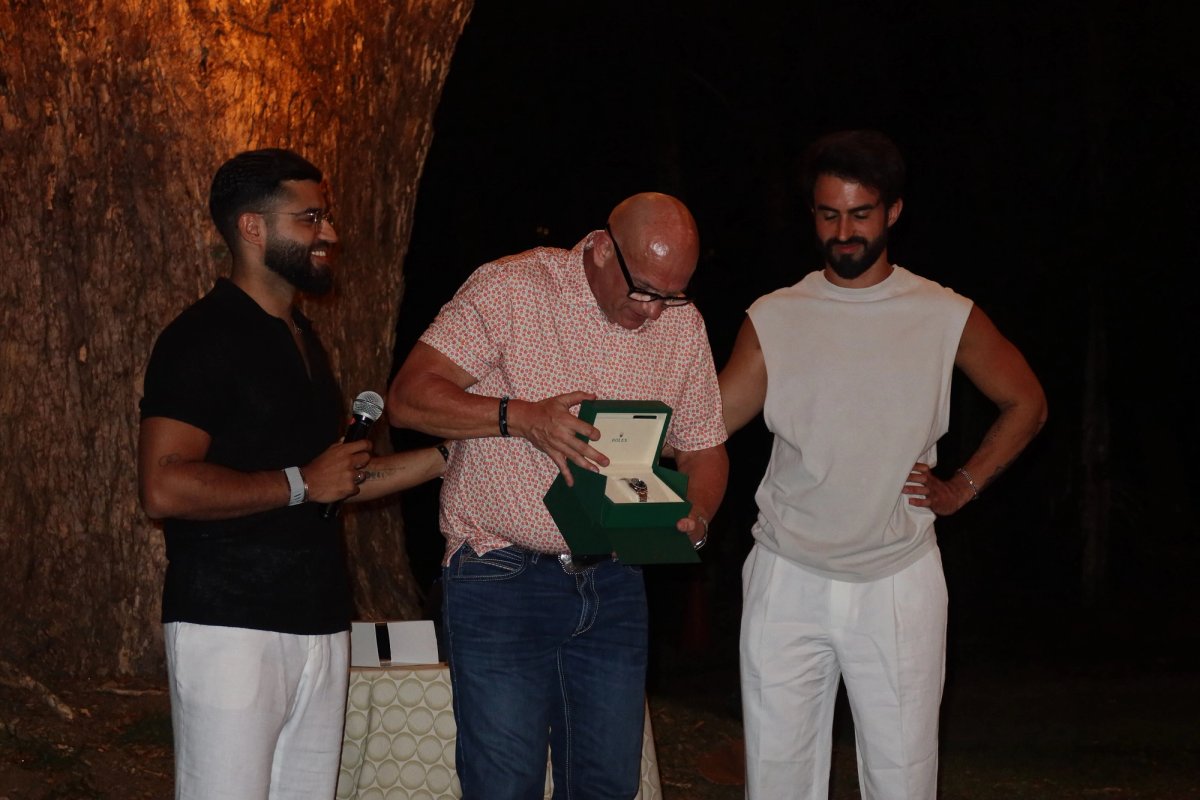
Social events, like the Costa Rica offsite, amplify team bonding through hikes, dinners, and unscripted debates. These interactions help reduce hierarchical barriers and empower employees to contribute as equals. DM sees such events not only as team-building exercises but as strategic enablers for employee retention and attraction.
“These experiences allow individuals to innovate and collaborate more freely,” says Tan.
Understanding that a relaxed workforce is a more resilient and adaptive workforce, he sees off-sites as excellent team-building events. He claims that DM's family culture doesn't just retain talent but attracts top minds seeking purpose beyond paychecks.
Decentralized Masters' quiet revolution - family work culture as trust foundation - explains its 4.9/5 ratings from members who sense the internal excellence.
As Salim puts it, "We're not just educating on DeFi - we're modelling sustainable ambition."
For Dubai's evolving office landscape, Decentralized Masters is a unique DeFi education leader where internal "family-like" bonds and team synergy mirror the trust it builds externally with members.
People cite zero bureaucracy, daily founder access, and growth that feels personal as the primary motivating factors in joining Decentralized Masters.
The company has served over 4,000 members through its paid programs, with more than 600 five-star reviews on Trustpilot, a testament to its growing popularity as a workplace. As new technologies reshape global teams, companies across industries are experimenting with new ways of building cohesion and trust. DM’s strategy of blending high-performance finance with emotional transparency reflects a larger shift underway in how modern organizations think about leadership.
Explore more articles in the Business category