Headlines
Germany's Scholz on Tariffs: Important Not to Divide the World
Published by Global Banking & Finance Review®
Posted on February 2, 2025
2 min readLast updated: January 26, 2026
Add as preferred source on Google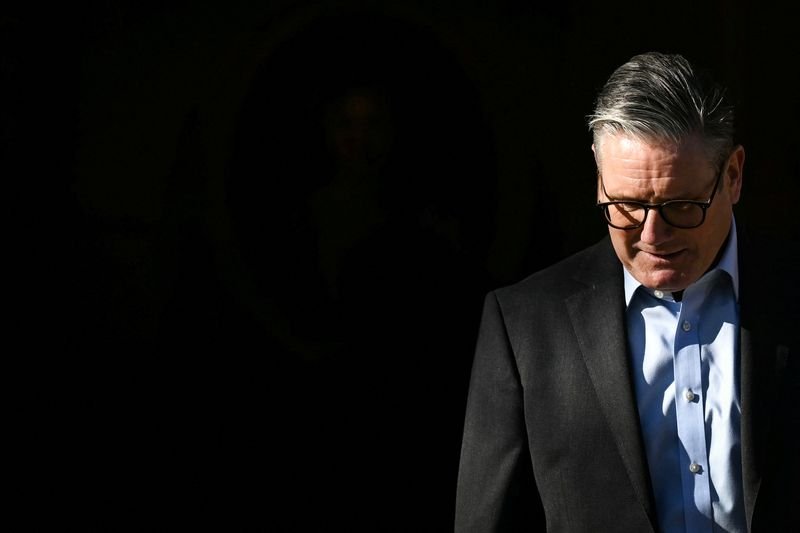
Published by Global Banking & Finance Review®
Posted on February 2, 2025
2 min readLast updated: January 26, 2026
Add as preferred source on GoogleChancellor Scholz stresses the importance of global trade cooperation, warning against division through tariffs, as the EU considers its response.
BERLIN (Reuters) - German Chancellor Olaf Scholz on Sunday said it was important not to divide the world with new trade barriers, as everyone benefits from globalisation, after U.S. President Donald Trump imposed tariffs on Mexico, Canada and China.
Trump has earlier also threatened the European Union (EU) with tariffs but so far has not implemented them. When asked about possible retaliation from the EU side, Scholz said the bloc has "scope for action" as a major economic power.
"We will try to continue economic relations together with the perspective of cooperation and collaboration," the social-democrat chancellor said after a meeting with British Prime Minister Keir Starmer at Chequers, the country home of prime ministers north-west of London.
Friedrich Merz, the opposition leader and frontrunner to become the next chancellor, earlier expressed concern over the tariffs as well. "Tariffs have never been a good idea for resolving trade policy conflicts," he said at his CDU conservative party convention, ahead of elections on Feb. 23.
Merz said the cost of the tariffs will eventually burden American consumers and will thus trigger resistance in the country, adding that the European Union (EU) must now unitedly enter negotiations with the U.S.
The economy is one of the main concerns of German voters, according to polls, as the export-oriented nation, known for its automotive sector, has struggled with stagnant economic growth for two consecutive years.
(Reporting by Andrey Sychev; Editing by Elaine Hardcastle and David Holmes)
Chancellor Olaf Scholz emphasized the importance of not dividing the world with new trade barriers, stating that everyone benefits from globalization.
Friedrich Merz expressed that tariffs are not a good solution for trade policy and warned that they would ultimately burden American consumers.
The German economy, being export-oriented and known for its automotive sector, is significantly affected by tariffs, especially given its recent struggles with stagnant growth.
Scholz mentioned that the EU has 'scope for retaliation' against potential tariffs threatened by the US, indicating a united front in negotiations.
Polls indicate that the economy is one of the main concerns for German voters, highlighting the importance of maintaining strong economic relations.
Explore more articles in the Headlines category