
Finance
TRADE FINANCE TRENDS – SHIFTS IN GLOBAL CREDIT TERMS
Published by Gbaf News
Posted on January 27, 2014
8 min readLast updated: January 22, 2026

Published by Gbaf News
Posted on January 27, 2014
8 min readLast updated: January 22, 2026
By Simon Featherstone, Global CEO, Bibby Financial Services
The global economy has undergone a profound and perhaps permanent shift in recent years as a result of the financial crisis, covering bank bailouts, rising inflation and stagnant growth.
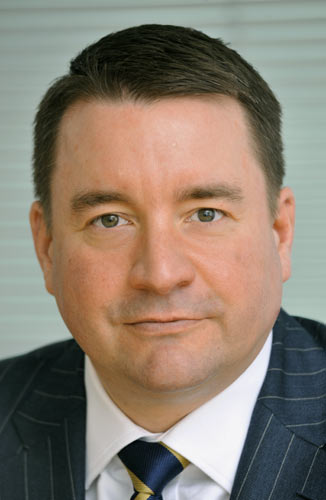
Simon Featherstone
One major consequence of the credit crunch has been a sharp reduction in the availability of business funding and tightening of credit terms. For those businesses that have survived the crisis, the pressure is piling on.
While developing economies having been struggling to maintain fast growth rates, plug funding gaps and invest in infrastructure to foster new enterprises to create jobs and generate wealth, developed economies have been hit hard.
And despite their ability to adapt and survive in the face of adversity, it is small and medium sized enterprises (SMEs) that tend to bear the brunt of these economic shifts. And one major shift that has made life particularly hard for SMEs is the growing trend for open account business and lengthening payment terms.
Today, around 80 per cent of world trade is conducted on open account terms; while this is good news for buyers,open accounts combined with differing credit terms between countries, put a real strain on sellers.
Through our research of 1,000 businesses in five key international markets, we found that navigating these differing regimes is difficult for firms seeking to grow through international trade.
Policymakers have recognised this problem, and in Europe policy initiatives have been introduced to encourage public sector and commercial businesses to pay their bills within a certain amount of time, unless it has been agreed otherwise.
But in reality this has had a limited effect on payment cultures.
For example, in Germany, the vast majority of businesses demand immediate payment from customers and only a minority offer credit terms which allow payment after 30 or 60 days. Whilebusinesses in the UK routinely offer credit terms of 30 to 60 days. One must recognise that in an increasingly competitive world,suppliers are often reluctant to enforce the rights available to them if their customers are slow to pay.
Outside Europe payment practices differ again. In the US around half of the businesses polled said they require immediate payment, while in Singapore60 per cent said they offer customers the opportunity to delay payment. In Hong Kong, the majority of businesses offer 30 to 90 day payment terms.
This conflicting payment landscape is creating growth barriers for small businesses, with many feeling that they are failing to maximise their export opportunities.
One of our clients, Oak Exports, is familiar with the issues that differing payments terms cause.
A successful exporter of British food and drink, including well-known brands such as Cadburys, Walkers, Fox’s and John West, the Cheshire based business exports across 40 overseas markets including Asia, Australia and the Americas, and has built an international distribution network with offices in Thailand, Singapore and the US.
However, the company soon discovered there was a gap to be bridged between the 30 days payment terms held with British suppliers, and the 60 day payment term that overseas customers worked to.
The business needed to address the problem quickly and protect cashflow in order to maintain the excellent relationships ithad built with suppliers, and after being introduced to Bibby Financial Services in 2003, managed to overcome these hurdles.
With the global economy picking up, companies like Oak Exportswill have many more opportunities to export their products. However, without a sound knowledge of the challenges they will face around payment practices, they may struggle to succeed.
In addition, businesses face another challenge freeing capital to replace stock and satisfy growing demand. Without sufficient cash available to seize opportunities during a growth period, there is a risk of over-trading. The release of working capital through invoice finance can play an important role in enabling businesses to capitalise on the recovery.
All in all,Business looking to grow through exports should make sure they understand payment practices to ensure they can manage their cash flow effectively.
Payment terms need not be a permanent issue for SMEs who want to grow through exports. Businesses should take the time to understand the differing regimes, whilepolicy makers and business advisors should strive to highlight and resolve barriers to growth to enable businesses to progress and succeed through the recovery.
By Simon Featherstone, Global CEO, Bibby Financial Services
The global economy has undergone a profound and perhaps permanent shift in recent years as a result of the financial crisis, covering bank bailouts, rising inflation and stagnant growth.
Simon Featherstone
One major consequence of the credit crunch has been a sharp reduction in the availability of business funding and tightening of credit terms. For those businesses that have survived the crisis, the pressure is piling on.
While developing economies having been struggling to maintain fast growth rates, plug funding gaps and invest in infrastructure to foster new enterprises to create jobs and generate wealth, developed economies have been hit hard.
And despite their ability to adapt and survive in the face of adversity, it is small and medium sized enterprises (SMEs) that tend to bear the brunt of these economic shifts. And one major shift that has made life particularly hard for SMEs is the growing trend for open account business and lengthening payment terms.
Today, around 80 per cent of world trade is conducted on open account terms; while this is good news for buyers,open accounts combined with differing credit terms between countries, put a real strain on sellers.
Through our research of 1,000 businesses in five key international markets, we found that navigating these differing regimes is difficult for firms seeking to grow through international trade.
Policymakers have recognised this problem, and in Europe policy initiatives have been introduced to encourage public sector and commercial businesses to pay their bills within a certain amount of time, unless it has been agreed otherwise.
But in reality this has had a limited effect on payment cultures.
For example, in Germany, the vast majority of businesses demand immediate payment from customers and only a minority offer credit terms which allow payment after 30 or 60 days. Whilebusinesses in the UK routinely offer credit terms of 30 to 60 days. One must recognise that in an increasingly competitive world,suppliers are often reluctant to enforce the rights available to them if their customers are slow to pay.
Outside Europe payment practices differ again. In the US around half of the businesses polled said they require immediate payment, while in Singapore60 per cent said they offer customers the opportunity to delay payment. In Hong Kong, the majority of businesses offer 30 to 90 day payment terms.
This conflicting payment landscape is creating growth barriers for small businesses, with many feeling that they are failing to maximise their export opportunities.
One of our clients, Oak Exports, is familiar with the issues that differing payments terms cause.
A successful exporter of British food and drink, including well-known brands such as Cadburys, Walkers, Fox’s and John West, the Cheshire based business exports across 40 overseas markets including Asia, Australia and the Americas, and has built an international distribution network with offices in Thailand, Singapore and the US.
However, the company soon discovered there was a gap to be bridged between the 30 days payment terms held with British suppliers, and the 60 day payment term that overseas customers worked to.
The business needed to address the problem quickly and protect cashflow in order to maintain the excellent relationships ithad built with suppliers, and after being introduced to Bibby Financial Services in 2003, managed to overcome these hurdles.
With the global economy picking up, companies like Oak Exportswill have many more opportunities to export their products. However, without a sound knowledge of the challenges they will face around payment practices, they may struggle to succeed.
In addition, businesses face another challenge freeing capital to replace stock and satisfy growing demand. Without sufficient cash available to seize opportunities during a growth period, there is a risk of over-trading. The release of working capital through invoice finance can play an important role in enabling businesses to capitalise on the recovery.
All in all,Business looking to grow through exports should make sure they understand payment practices to ensure they can manage their cash flow effectively.
Payment terms need not be a permanent issue for SMEs who want to grow through exports. Businesses should take the time to understand the differing regimes, whilepolicy makers and business advisors should strive to highlight and resolve barriers to growth to enable businesses to progress and succeed through the recovery.
Explore more articles in the Finance category